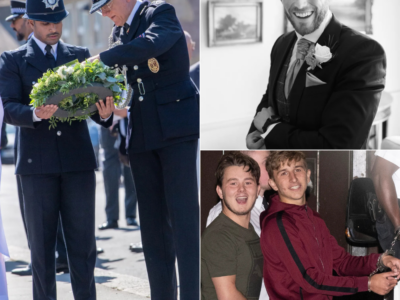
Off-Campus Season 2 Shifts the Spotlight to Dean and Allie as Briar University Enters a New Chapter
The world of Briar University appears ready for a major transition as Off-Campus moves beyond its first central romance and opens the door to a different emotional dynamic. After a debut season that established the tone of the series through friendship, college life, hockey culture, and a relationship audiences quickly connected with, attention is now shifting toward a new chapter centered on Dean and Allie. As production moves forward and anticipation continues growing, the next phase of the series appears positioned to expand the emotional world rather than repeat familiar territory. Instead of asking whether the original romance can maintain momentum, the story seems prepared to explore what happens when the spotlight moves and a different couple becomes responsible for carrying the emotional center of Briar.
One of the reasons ensemble romance stories continue attracting audiences is because they create the opportunity to revisit familiar environments through completely different perspectives. Earlier chapters helped establish the identity of Briar through characters learning how to trust, communicate, and balance relationships with personal growth. But long-running romantic worlds rarely stay focused on one relationship forever. Shifting attention allows new emotional themes to emerge while preserving continuity through returning friendships and familiar routines. That transition creates excitement because audiences remain connected to the setting while discovering a different emotional rhythm.
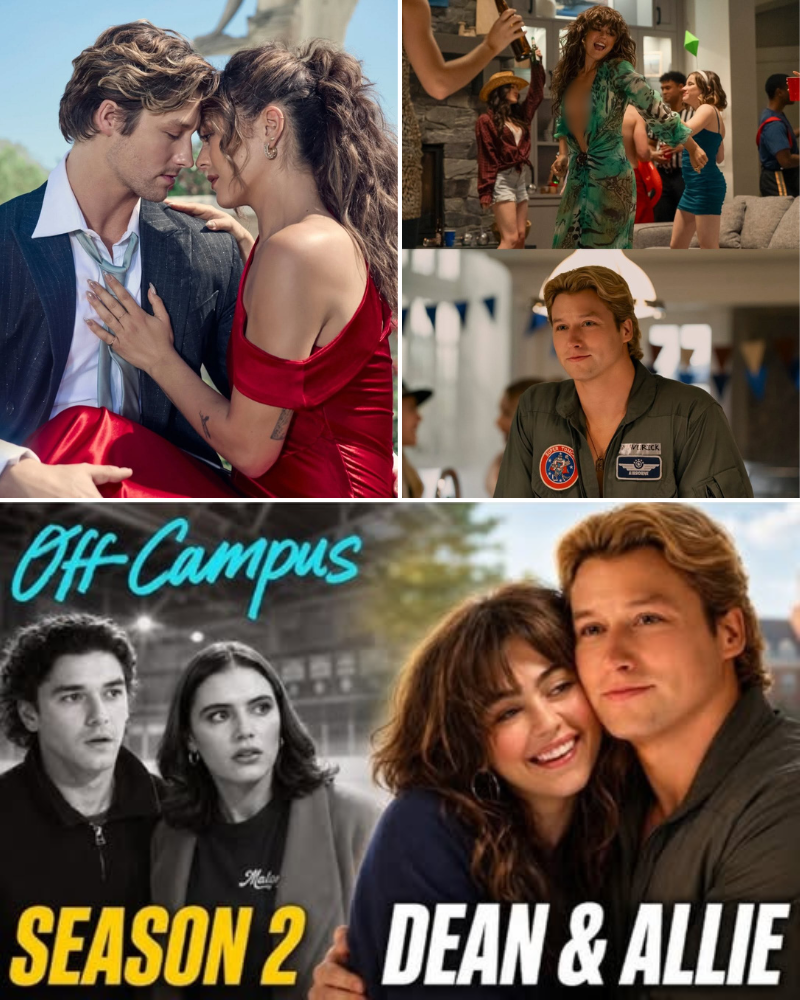
Dean becomes an especially interesting character to place at the center because earlier impressions often framed him as someone who rarely appeared emotionally unsettled. Confidence, humor, and social ease became defining parts of his presence inside the group. Characters like that often create strong supporting roles because they appear comfortable in every situation. But once they become leads, expectations change. Emotional certainty becomes harder to maintain. The qualities that once made them seem untouchable begin facing pressure. That transition frequently creates stronger storytelling because audiences start seeing dimensions that previously stayed hidden behind confidence.
Allie introduces a different type of emotional energy into that equation. Rather than reinforcing Dean’s habits or fitting neatly into expectations, her presence naturally creates movement and unpredictability. Relationships built around contrast often generate stronger emotional momentum because both people challenge each other’s routines. Attraction becomes meaningful not because two people immediately fit together, but because being together forces them to reconsider parts of themselves they had stopped questioning. That emotional structure helps create stories that feel more layered than simple opposites-attract dynamics.
At the same time, one of the strengths of Off-Campus has always been understanding that romance works best when surrounded by a larger emotional world. Earlier relationships mattered because they existed inside friendships, campus traditions, sports pressure, and changing priorities. Briar University never felt like a background—it felt like an active environment influencing every emotional decision. Keeping familiar characters involved while allowing a new central relationship to develop helps preserve that feeling and reminds audiences that emotional growth continues even when attention moves elsewhere.
Another reason anticipation remains strong is because stories built around changing perspectives naturally create different emotional questions. Earlier chapters explored trust and emotional openness in one way. A new central couple creates opportunities to explore entirely different experiences—timing, emotional readiness, identity, and what happens when people who never planned for something serious suddenly find themselves unable to ignore it. That evolution allows the world to feel larger while maintaining the emotional identity audiences already recognize.
Visually and emotionally, Season 2 appears positioned to preserve the qualities audiences continue associating with Off-Campus: hockey culture, humor, friendship, romantic tension, and emotionally driven conversations that feel personal rather than exaggerated. But the questions may become more mature. Not whether people fall in love. Not whether chemistry exists. Instead, whether two people can continue moving forward once emotions stop feeling temporary and start becoming something worth protecting. If the next chapter continues building on those themes, Briar University may once again prove that changing the central romance does not mean changing the heart of the story—it simply means discovering a different way to experience it.