I was running on fumes.
Seventy-two hours of off-the-books reconnaissance in the frozen Alaskan wilderness had left every muscle screaming. My joints ached from crawling through ice-crusted snow, my eyes burned from staring through night-vision gear, and the only thing keeping me upright was the promise of a hot meal and twelve hours of blackout sleep.
To the hundreds of soldiers and Marines packed into Camp Vanguard’s mess hall, I was just “Sarah” — a quiet, unremarkable civilian contractor in baggy fleece, messy bun, and zero makeup. That was exactly how I was supposed to look. A ghost. A shadow operative embedded so deep that even most base commanders didn’t know my real identity.
My cover was flawless… until Corporal Daniel Rourke decided I was today’s target.
The collision happened near the coffee station. My shoulder brushed his as I reached for a mug. The ceramic shattered on the concrete floor, sending hot coffee splashing across his boots.
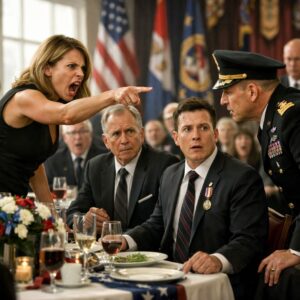
“Watch where the hell you’re going, you useless civilian bitch!” he roared, loud enough for the entire hall to hear.
Three hundred forks froze mid-air. Conversations died instantly.
I kept my head down and played the part I’d been trained to play when necessary — the intimidated, harmless woman.
“I’m sorry,” I said softly, stepping back. “It was an accident.”
But Rourke — a 240-pound steroid-pumped Marine with a reputation for throwing his weight around — wasn’t interested in apologies. He wanted a show. He wanted to humiliate someone smaller than him in front of an audience.
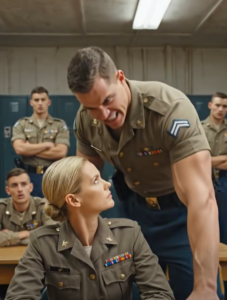
He slammed his tray down and stepped into my space, towering over me.
“You think you can just walk around here like you belong?” he sneered, voice dripping with contempt. “Civilians like you get in the way and get good Marines killed. You’re nothing but quota-filling trash.”
The mess hall had gone completely silent. Everyone was watching.
I tried one last time to de-escalate, lowering my eyes and backing up another step.
“Please… just let it go.”
That was the moment he snapped.
His face twisted with pure rage. He pulled back a massive fist — a haymaker loaded with every ounce of his body weight, the kind of punch meant to fracture bone and knock someone unconscious.
“Do you know who I am?” he bellowed. “Die, bitch!”
Time slowed.
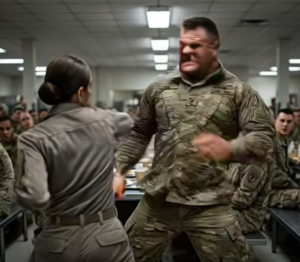
In that split second, years of classified training kicked in. Muscle memory from close-quarters combat courses, hand-to-hand drills that most operators never speak about, and the lethal efficiency drilled into every shadow operative took over. I could end this fight in under two seconds — break his arm, dislocate his shoulder, or drop him with a strike to the throat.
But if I did, my multi-million-dollar cover would be incinerated in front of the entire base. My real identity — Lieutenant Commander Elena Voss, one of only a handful of women ever selected for the Navy’s most classified SEAL shadow units — would be exposed. Years of deep-cover work, delicate operations, and national security assets would be compromised.
I couldn’t run. I couldn’t hide. And I couldn’t let that punch land.
As his knuckles hurtled toward my face, I made my choice.
I shifted my weight with surgical precision, pivoted inside his swing, and used his own momentum against him. My hand snapped up, redirecting the punch just enough while my other arm drove a controlled strike into his solar plexus — hard enough to drop him, but not hard enough to kill or permanently injure.
Rourke gasped, eyes bulging in shock, and crumpled to his knees like a sack of bricks. The massive Marine hit the floor wheezing, unable to draw breath.
The entire mess hall erupted in chaos.
Before anyone could react, I reached into the inner pocket of my fleece jacket and pulled out a small black ID wallet. I flipped it open and held it high so the nearest senior officers could see.
The card gleamed under the fluorescent lights:
Lieutenant Commander Elena Voss United States Navy Naval Special Warfare — Classified Operations Level 6 Clearance
Gasps rippled through the crowd. A few senior NCOs actually stood at attention without thinking.
Two MPs rushed forward, but a full-bird Colonel who had been eating quietly in the corner raised his hand to stop them. He walked over slowly, eyes locked on my ID, then on me.
“Commander Voss,” he said quietly, voice full of respect. “Are you alright?”
“I’m fine, sir,” I replied, my voice now carrying the calm authority I usually kept hidden. “But Corporal Rourke just assaulted a superior officer and compromised operational security in front of half the base.”
Rourke, still on the ground struggling to breathe, looked up at me with pure terror as the realization finally hit him.
Within hours, the incident was classified at the highest level. Corporal Daniel Rourke was stripped of rank, placed under immediate investigation for assault on a superior officer, conduct unbecoming, and endangering classified personnel. His military career was effectively over.
As for me?
My cover was partially burned, but the Navy decided the greater risk was letting the story spread unchecked. By the next morning, word had quietly circulated among the right people: the quiet civilian contractor was actually one of the most elite shadow operatives in Naval Special Warfare.
Some soldiers avoided eye contact with me for weeks. Others offered silent nods of respect when they passed.
Later that evening, as I finally sat down with that long-delayed hot meal, the base commander personally approached my table.
“Commander,” he said, lowering his voice, “the Pentagon wants to pull you for a new assignment. But before you go… thank you for showing restraint. Most operators in your position wouldn’t have.”
I took a slow sip of coffee and allowed myself a small, tired smile.
“Sometimes the hardest part of the job isn’t the mission in the shadows,” I replied. “It’s remembering that even when the world sees you as prey… you still get to choose how the story ends.”
And just like that, the ghost slipped back into the darkness — one punch, one ID card, and one very expensive lesson later.
News
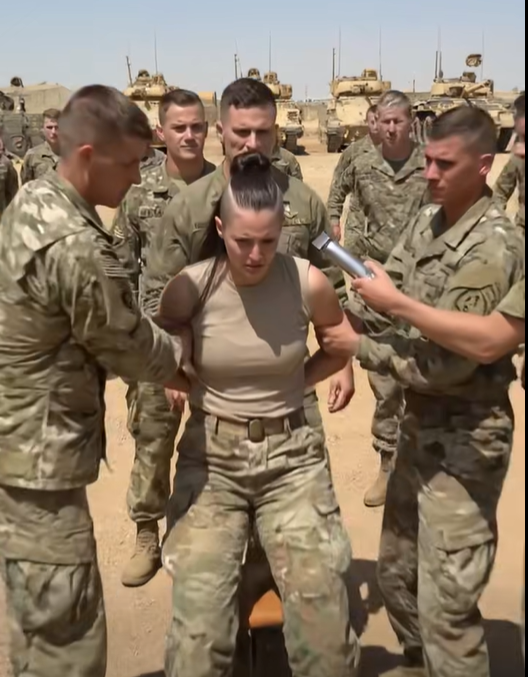
“Shave Her Head,” the Sergeant Ordered Coldly. “If Discipline Won’t Break Her, Maybe Humiliation Will.” But What They Didn’t Know Was That the Woman They Underestimated Would Bring Their Entire Base to Its Knees.
General Alexander Vance had heard the whispers for months: Fort Blackwood was rotting from within. Soldiers spoke in hushed tones of systematic humiliation disguised as “discipline,” falsified training records, missing supply funds that somehow vanished into private accounts, and a toxic command climate built on fear and intimidation. Every official inspection came back sparkling clean […]
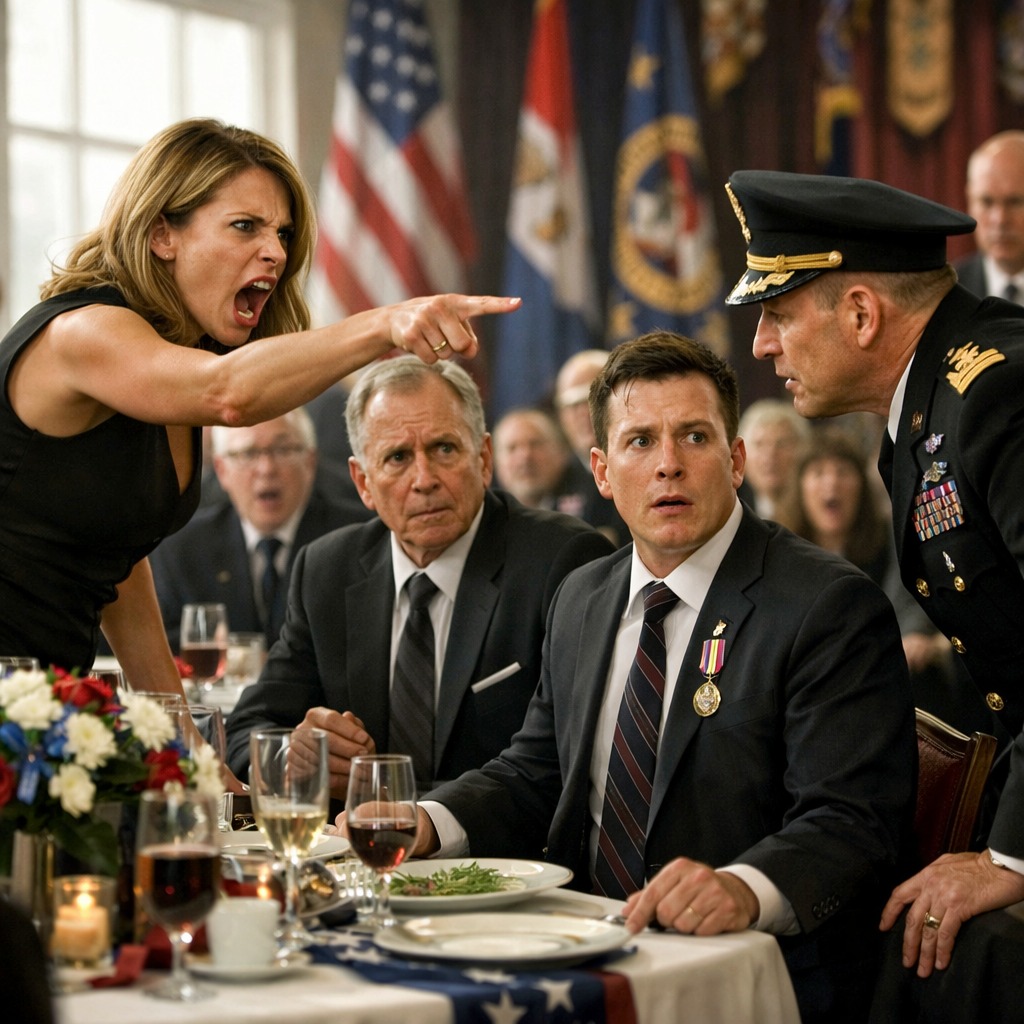
At A Veterans’ Dinner, The Colonel Leaned Toward My Brother And Asked One Simple Question: “Can You Tell Me How You Earned This Decoration, Son?” His Face Turned White. He Pointed At My Father And Said: “He Told Me It Belonged To Our Uncle.” The Uncle Never Existed.
The Ridgewood Armory smelled like every other veterans’ event I’d ever attended: floor wax, overcooked chicken, old coffee, and the faint metallic tang of too many American flags. Fluorescent lights buzzed overhead, casting a harsh glow on rows of folding tables and men in ill-fitting blazers trying to look like they still belonged in uniform. […]
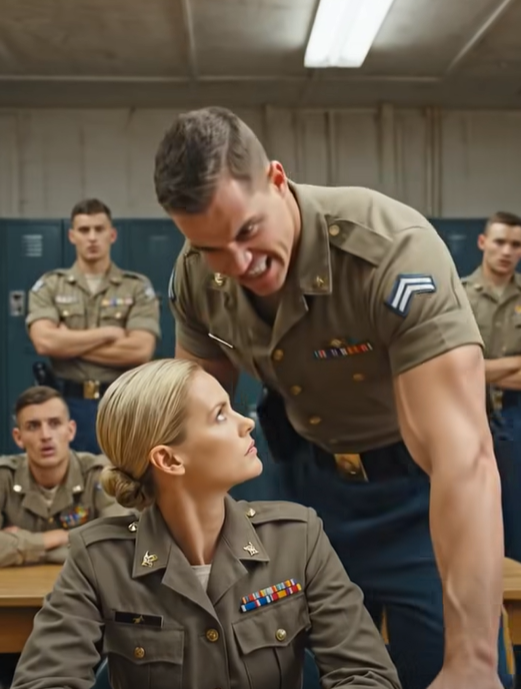
“Do You Know Who I Am?” He Pushed Her — Seconds Later, One ID Card Ended His Career
The dim lights of Rusty’s Bar flickered like dying stars just outside Camp Pendleton. It was a Friday night, the kind where Marines came to forget the sand and the screams they carried home from deployment. I had come here for the opposite reason — to disappear. My name is Commander Thalia Renwick. Highly decorated […]
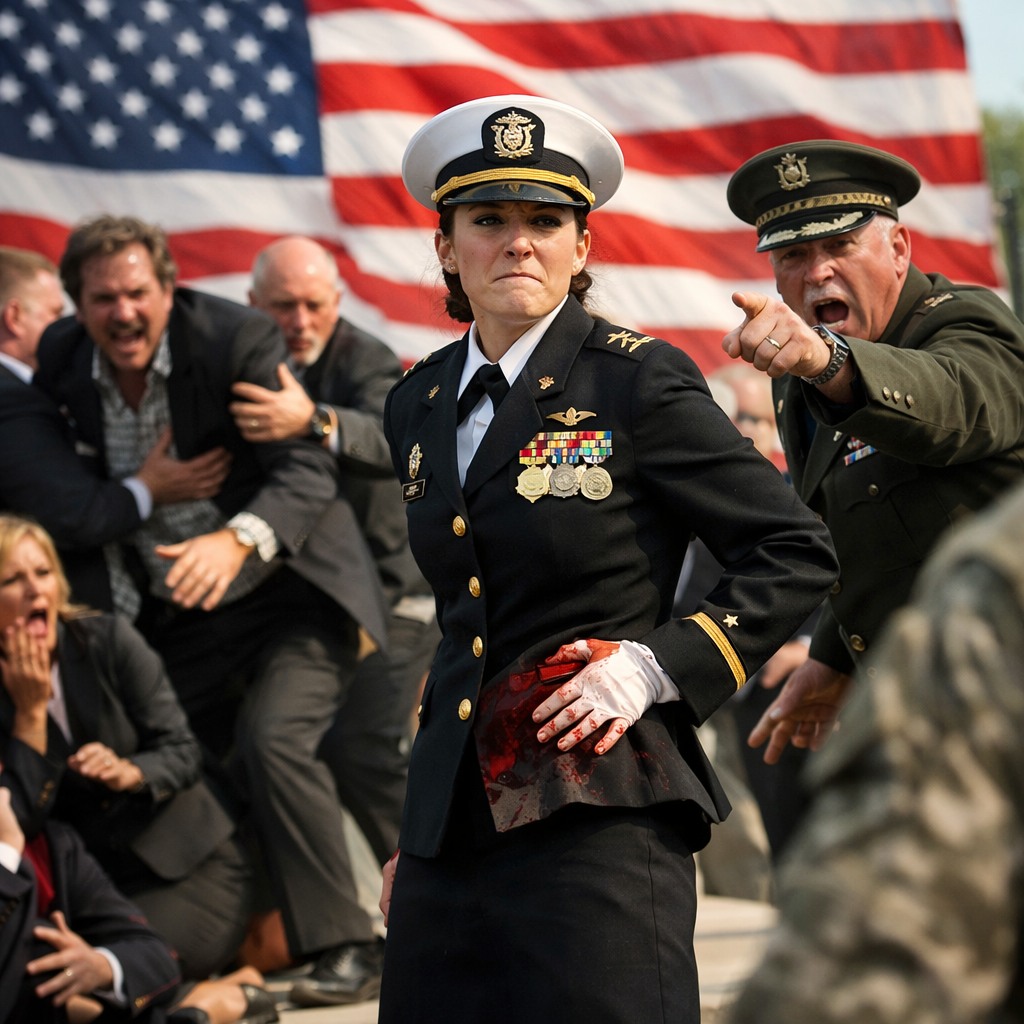
15 Years After My Dad Kicked Me Out, I Saw Him At My Sister’s Wedding. He Sneered: “If It Wasn’t For Pity, No One Would’ve Invited You.” I Just Smiled And Sipped My Wine. Then The Bride Took The Mic And Changed Everything.
The South Carolina sun was merciless that June afternoon, turning the outdoor wedding venue into a glittering oven. I stood near the back in my crisp Army dress uniform, the brass buttons and medals catching the light with every breath. At 34 years old, I had come home for my little sister’s wedding — the […]
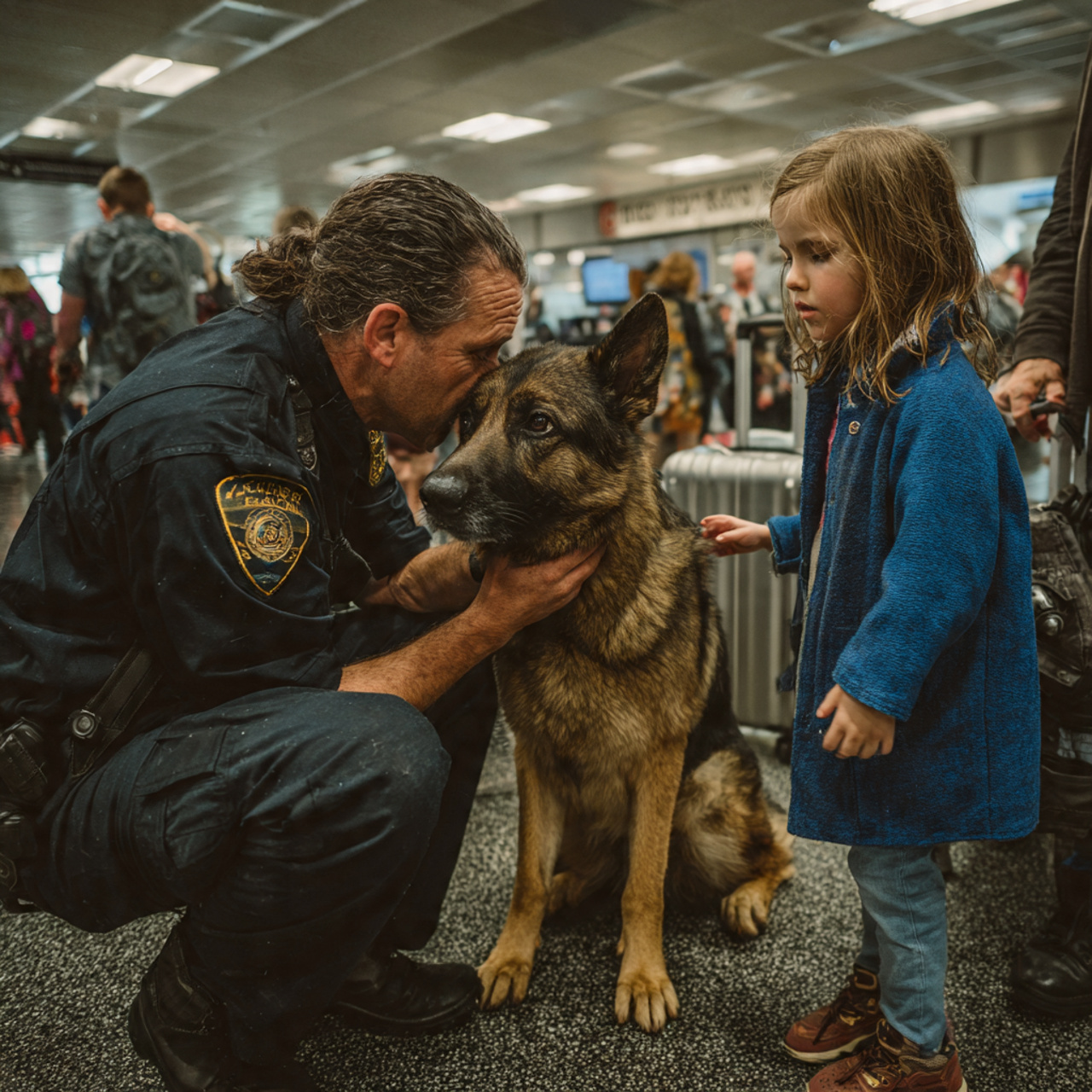
“A POLICE DOG FROZE IN THE AIRPORT. THEN A LITTLE GIRL TAPPED HIS HEAD. WHAT HAPPENED NEXT MADE EVERY TRAVELER STOP. HAVE YOU EVER WITNESSED A SILENT CRY FOR HELP?
The bustling international airport was a whirlwind of rolling suitcases, hurried announcements, and weary travelers rushing to their gates. Officer Liam Mercer patrolled the terminal with his loyal K9 partner, Rex — a highly trained German Shepherd known for his sharp instincts in detection and child safety operations. Everything seemed routine until Rex suddenly froze […]
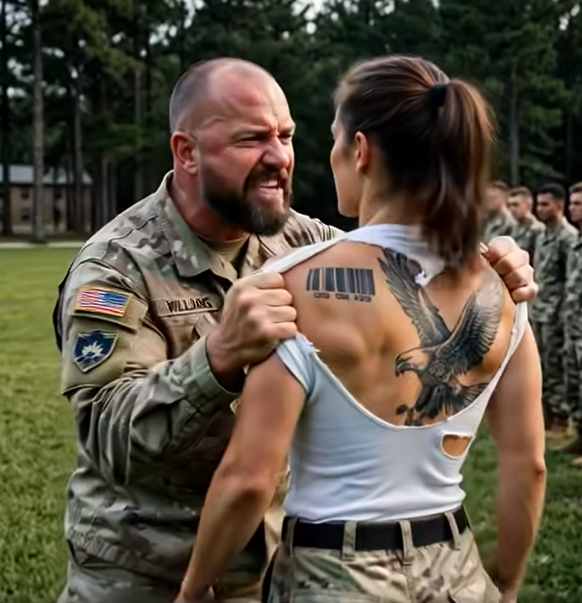
‘DEADWEIGHT?’ — THEY TORE THE SEAL GIRL’S SHIRT, AND THE GENERAL FROZE WHEN HE SAW HER KILL-CODE TATTOO
My name is Rebecca Kane. By the time I stepped off the Black Hawk at Fort Carson, Colorado, I already knew the first rule of special operations: men don’t fear a woman until she stops asking for permission. Twenty-eight years old. Special operations qualified. Transferred under sealed orders into the most brutal inter-branch advanced combat […]
End of content
No more pages to load