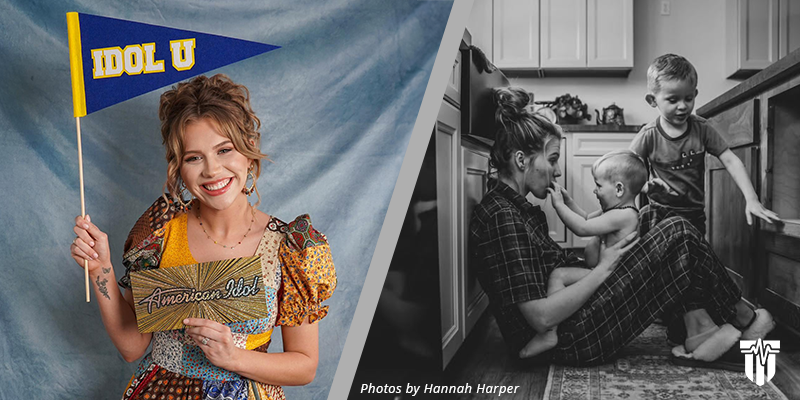
The Hawaiian stage lights bathed the Aulani Resort in a golden glow as 25-year-old Hannah Harper, a stay-at-home mom from the tiny town of Bunker, Missouri, gripped the microphone with the same quiet determination she once used to wrangle three rambunctious boys through a long day of laundry and snacks. Her homemade patchwork dress shimmered under the spotlights, each square a reminder of the life she had pieced together from faith, family chaos, and raw resilience. This wasn’t just another performance on American Idol Season 24—it was a full-circle moment for a woman who had written her breakthrough song in the depths of postpartum depression, never imagining it would carry her from a rural Missouri living room to national television. When she launched into Bethel Music and Molly Skaggs’ “Ain’t No Grave,” her voice rose like a resurrection call, blending bluegrass grit with gospel fire. Lionel Richie leaned forward, eyes wide, and declared she had gone from “singing to preachin’.” Luke Bryan grinned and coined a new genre on the spot: “resurrection rock.” Carrie Underwood, who had already shed tears over Hannah’s original audition song, nodded with chills running down her arms. The audience erupted, but for Hannah, the real victory wasn’t the applause—it was the knowledge that every note carried the weight of her journey, proving that motherhood and music could coexist in the most unexpected, triumphant ways.
Back in rural Reynolds County, Missouri, Hannah’s story began long before the red chairs and golden tickets. Raised in a bluegrass gospel family that lived life on the road, she spent her formative years between the ages of nine and sixteen singing in churches and festivals across the Midwest. Her father, once a lead miner, made a radical decision to trade stability for ministry and music. He quit his job, sold nearly everything the family owned, and bought a tour bus. Hannah’s parents transformed their home into a rolling sanctuary of song, faith, and family bonding. Weekends meant loading up the bus, driving to small-town revivals, and performing as the Harper Family band. Hannah’s voice—honed by hymns, bluegrass harmonies, and the kind of unpolished authenticity that only comes from singing for people who truly needed hope—became her signature. Those early years instilled in her a deep love for storytelling through song, influenced by the “wholesome side of ’90s country” she managed to sneak in despite a super-conservative upbringing. Shania Twain tapes played on repeat when her mom allowed it, and Dolly Parton’s spirit loomed large as a beacon of bold femininity wrapped in heart. Jo Dee Messina and other down-to-earth country voices rounded out her musical DNA, but gospel and bluegrass remained the foundation.

Life moved fast after those touring days. In 2016, Hannah met her husband, and within months they were expecting their first child. Three boys followed in quick succession, turning the Harper household into a whirlwind of diapers, giggles, sticky fingers, and endless energy. Hannah embraced motherhood with open arms—she had always dreamed of being a mom—but reality hit hard after her youngest arrived. Postpartum depression crept in like an uninvited shadow, turning joyful moments into overwhelming fog. “I was sitting on my couch wallowing,” she later recounted through tears during her Idol audition. “Everybody wants to touch you. And I didn’t want to be touched. I was just having a pity party, praying that the Lord would calm my spirit.” Her youngest son kept toddling over, tugging at her sleeve with a simple request: “Mom, open this. Mom, open my cheese.” In that exhausted instant, something shifted. The little boy’s innocent plea became a divine reminder. Hannah realized her greatest ministry wasn’t on a stage—it was right there in the living room, raising boys who would one day walk in faith. She kicked the depression “in the butt,” stood up, and channeled every raw emotion into her very first original song: “String Cheese.”
What started as a personal catharsis posted on Facebook around Mother’s Day exploded far beyond her expectations. The track, a heartfelt anthem about the messy, beautiful, overwhelming reality of early motherhood, struck a chord with moms everywhere. It wasn’t polished studio perfection—it was real, vulnerable, and unapologetically honest. Lyrics captured the exhaustion of constant touch, the guilt of feeling touched out, and the redemptive power of remembering your calling. “String Cheese” went viral on social media, shared by parents who felt seen for the first time. Hannah never dreamed it would become her ticket to American Idol. When she decided to audition, she chose that very song, pouring her soul into every line while wearing a dress she had sewn herself, each patch symbolizing the fragments of her life coming together.
The audition episode became one of the most talked-about moments of the season. As Hannah explained her postpartum struggle to judges Luke Bryan, Lionel Richie, and Carrie Underwood, the room fell silent. Carrie, a mother herself, wiped away tears, visibly moved by the authenticity. Hannah’s voice, rich with bluegrass runs and gospel power, transformed a simple snack-time story into a universal anthem of resilience. The judges were unanimous in their praise, sending her straight through with golden tickets and heartfelt encouragement. Carrie later called it one of the most emotional auditions she had witnessed, noting how Hannah’s story mirrored the hidden battles so many women fight in silence. For Hannah, the moment was surreal. Her three boys watched from home, cheering as their mom’s voice filled living rooms across America. “They keep saying, ‘Mommy’s on TV!’” she shared in follow-up interviews, her face lighting up at the thought of her children witnessing her dream unfold.
Hollywood Week tested every ounce of her strength. The intense schedule, long days of rehearsals, and pressure of competing against hundreds of talented singers could have overwhelmed anyone, especially a mom who had never been away from her boys for so long. Yet Hannah leaned on her faith and the same grit that had carried her through postpartum darkness. She advanced through group rounds and solo performances, proving her versatility beyond the original song that made her famous. By the time the competition reached the Ohana Round in Hawaii, Hannah was no longer just the “String Cheese mom”—she was a serious contender. She delivered a heartfelt rendition of Vince Gill’s “Go Rest High on That Mountain,” a tribute that resonated deeply with her family’s gospel roots and her own journey of loss and redemption. Fans and judges alike noted how her voice seemed to carry the weight of generations, blending country storytelling with spiritual depth.
Then came the Top 20 performances, where Hannah chose “Ain’t No Grave.” The song’s resurrection theme felt prophetic. Standing on that Hawaiian stage, she didn’t just sing—she preached. Her delivery was powerful, unfiltered, and filled with the same fire that once echoed through Missouri churches on the family tour bus. Lionel Richie’s “preachin’” comment captured it perfectly; Luke Bryan’s “resurrection rock” label went viral as fans celebrated the fresh fusion of genres. Carrie Underwood, still emotional from the audition, praised the song choice and the chills it gave her. In the Gold Derby poll following the Top 20 showcase, Hannah surged to the top alongside Keyla Richardson, earning 29.41 percent of fan votes for best performance. Readers and viewers flooded comment sections with stories of their own struggles, crediting Hannah with making them feel less alone. One mom wrote, “Her song reminded me I’m not failing—I’m ministering to my babies every single day.”
What makes Hannah’s rise so compelling isn’t just her vocal talent; it’s the way she represents a new kind of Idol contestant. In an industry often obsessed with glamour and youth, here was a 25-year-old mom of three who balanced diaper changes with vocal warm-ups, who sewed her own stage outfits between preschool drop-offs, and who openly discussed mental health in a way that felt revolutionary. Her guitar strap, adorned with drawings from her sons, became a symbol of that balance—proof that dreams don’t require leaving your family behind. In interviews, Hannah emphasized how her conservative upbringing and bluegrass gospel foundation gave her the freedom to sing about faith without hesitation. “More than anything, I’m just incredibly grateful for the opportunity to have this platform to bring glory to God,” she posted after the Top 20 show.
The ripple effects extended far beyond the competition. “String Cheese” climbed charts and inspired countless covers and reaction videos from mothers across the country. Support groups for postpartum depression shared clips of her audition, turning a personal battle into a movement of solidarity. Hannah’s family back in Missouri—her parents who sacrificed everything for the tour bus life, her husband who held down the fort during Hollywood Week—watched with pride as their daughter’s voice reached millions. Her brothers, also musically gifted, cheered from the sidelines, one of them even drawing comparisons to classic country acts in fan comments. The entire Harper clan embodied the small-town values that made Hannah’s story so relatable: hard work, faith, community, and never giving up.
As the competition intensifies toward the Top 14 and beyond, Hannah remains grounded. She knows the road ahead will bring more tough choices, more time away from her boys, and more pressure to deliver. Yet she carries the same mindset that helped her overcome postpartum darkness: one day at a time, one prayer at a time, one note at a time. Fans have already dubbed her a frontrunner, predicting she could follow in the footsteps of past Idol winners who turned vulnerability into victory. Whether she claims the title or not, Hannah Harper has already won something far more valuable—a platform to remind every overwhelmed parent that their story matters, that their struggles can become songs, and that sometimes the greatest ministry happens not on a grand stage, but in the quiet moments of opening a package of string cheese for a toddler who needs you.
Her journey from Bunker, Missouri, to the bright lights of American Idol proves that talent isn’t measured by polish or pedigree. It’s measured by truth, resilience, and the courage to share your scars so others can find healing. In a season full of showstopping voices, Hannah stands out because she sings not just for the judges or the votes, but for every mom who has ever felt touched out, overwhelmed, or unsure if she’s doing enough. Her voice carries the echoes of that family tour bus, the prayers whispered in exhaustion, and the joyful chaos of three little boys who taught her the true meaning of purpose. As America votes and the competition heats up, one thing is certain: Hannah Harper isn’t just advancing in a singing contest—she’s lighting a path for anyone who dares to turn their lowest moments into their most powerful anthems.
The spotlight may be new, but the heart behind it has been steady all along. From the tour bus days to the Top 20 stage, Hannah’s story reminds us that the most extraordinary journeys often begin in the most ordinary places—like a living-room couch, a crying baby, and a simple request for string cheese that changed everything.
News
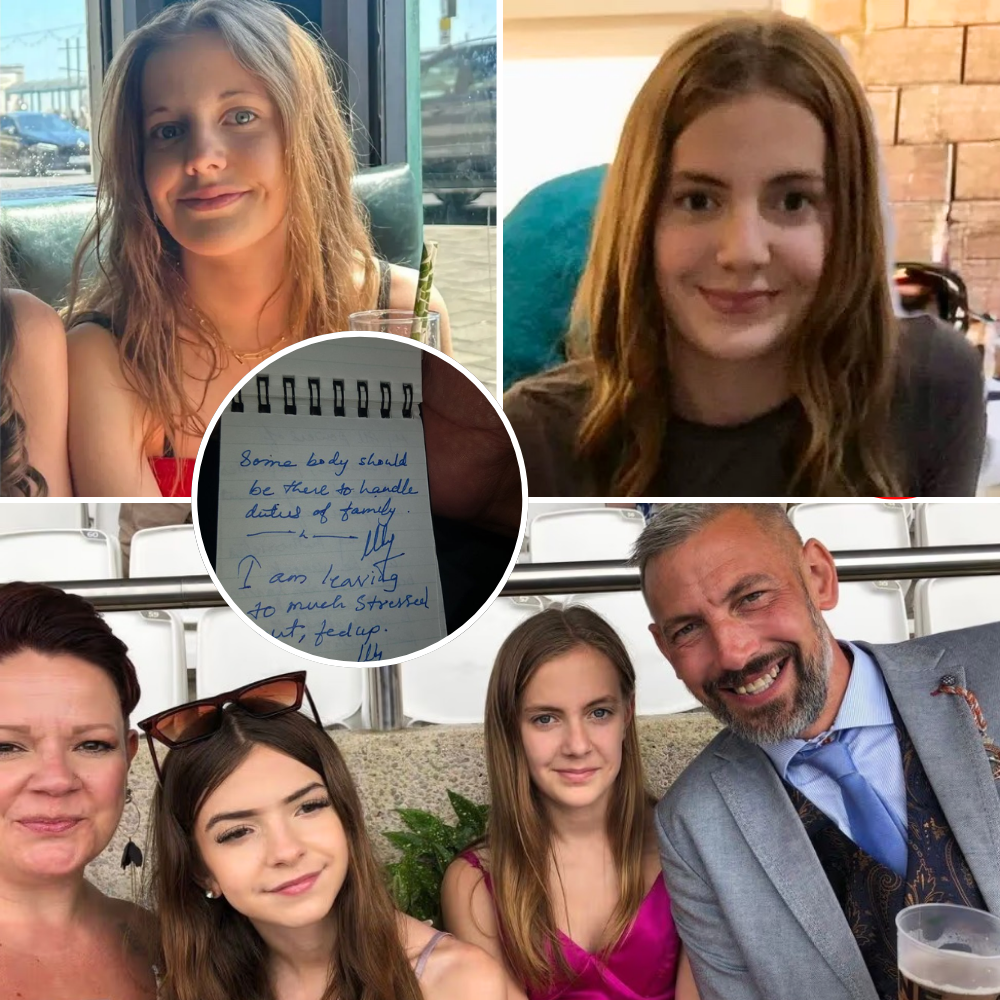
Mum Went to Wake Her 12-Year-Old for School… Instead Found Amelia Dead After Relentless Snapchat Torment 😭 Last Night She Was Happy & Laughing – The Devastating Details Inside
A cheerful 12-year-old girl with a smile that warmed every room spent her final evening wrapped in the simple joys of family life, laughing freely while sharing fish and chips at her grandparents’ house. No one could have predicted that the next morning would bring the kind of silence no parent should ever endure. On […]

👀 American Idol Judges Stunned by Braden Rumfelt’s Voice After Two Major Surgeries Destroyed His Baseball Career — His Comeback Story Is Unbelievable! 😱
The spotlights in the American Idol audition room pulsed with that familiar electric hum as 22-year-old Braden Rumfelt stepped forward, guitar slung over his shoulder, his twin brother Kellen right beside him with fingers poised on the strings. Murphy, North Carolina, felt a world away in that moment—the small-town life of substitute teaching, quiet family […]

😱 American Idol Top 20 Poll SHOCK: Hannah Harper & Keyla Richardson Dominate… But Who’s Going HOME Next? 😭 Who’s in Danger?
Hawaii’s sun-drenched shores at Disney’s Aulani Resort became the unlikely battlefield where American Idol Season 24’s Top 20 delivered heart-stopping performances that have left fans divided, judges stunned, and Gold Derby readers casting their clearest verdict yet on who might not survive America’s vote. With the first live results episode looming on March 30, the […]
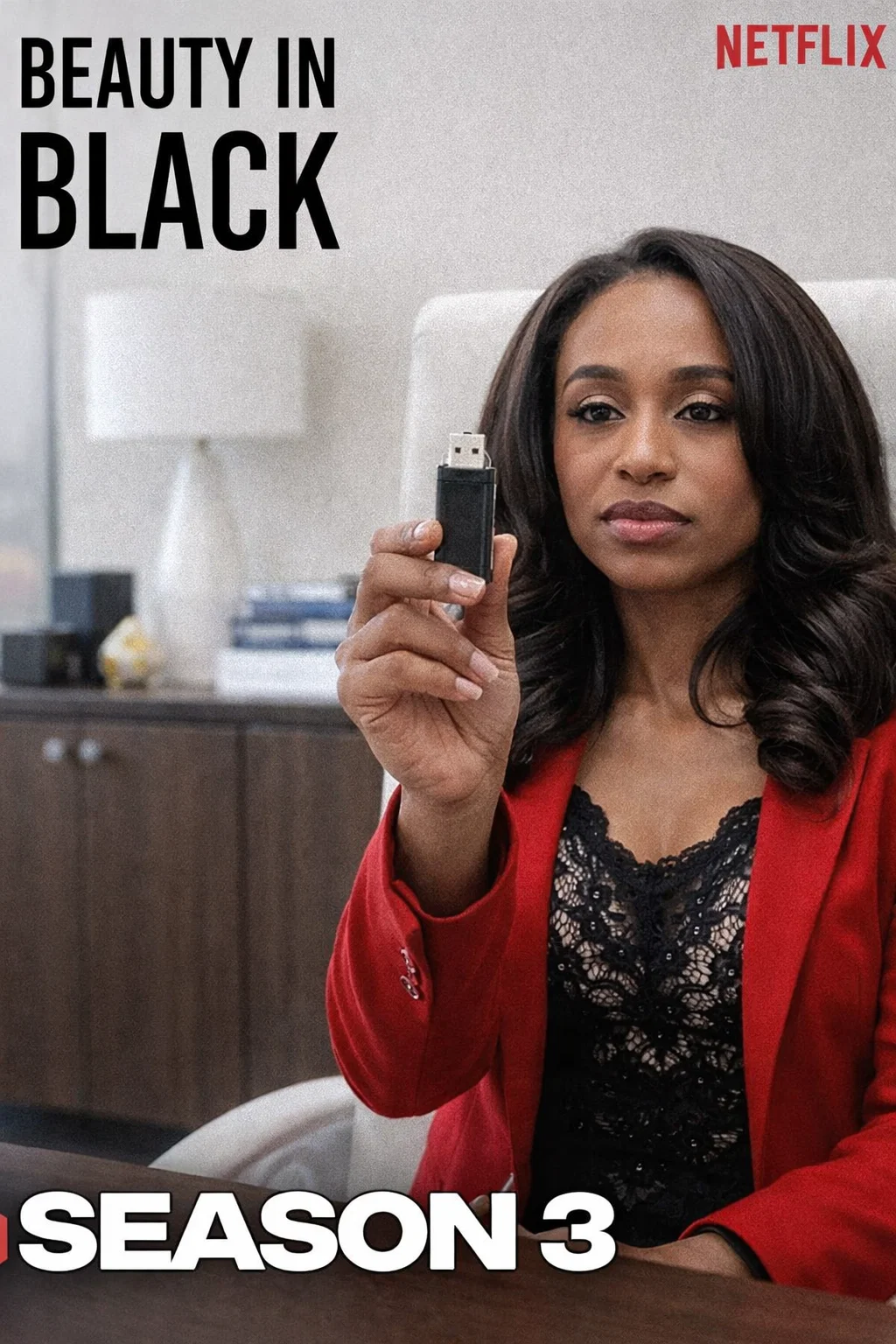
😱💔 Kimmie Standing On The Rooftop With That USB Drive Has Fans Terrified — Is She About To Destroy The Entire Bellarie Empire? 👀
The first explosive trailer for Beauty in Black Season 2 Part 2 is here — and everything shifts fast. The new footage shows Kimmie stepping fully into her power with zero hesitation, but one bold move has fans in total shock. Is she protecting herself… or setting something much bigger in motion? The stakes feel […]

💥 “Is The Baby Okay?” — Virgin River Season 7 Finale Left One Devastating Clue About Mel & Jack’s Child That Changes Everything 😭
Netflix just dropped the news everyone has been waiting for: Virgin River is officially returning for Season 7 — and fans are already bracing for another emotional chapter. The release date and exact drop time are now confirmed, meaning the next wave of romance, heartbreak, and small-town secrets is closer than expected. But one storyline […]

💔😱 Kimmie Just Whispered “This Whole Empire Burns” — The Wildest Trailer For Season 2 Part 2 Is Here And Fans Are NOT Ready For What’s Coming 👀
SHOCKING: Kimmie Unleashed Season 2 Part 2 Trailer Drops With Wild New Twists! The new trailer has finally arrived — and it’s packed with moments fans didn’t see coming. Secrets start unraveling, alliances fall apart, and the drama reaches a whole new level. Viewers say the story is about to take its most unpredictable turn […]
End of content
No more pages to load