Shadows of the Past: How a Transgender Triple Killer Lived Among Foster Children for Months in a Shocking Breach of Trust

In the quiet, snow-dusted town of Cooma, nestled in the rugged landscapes of New South Wales, Australia, a nightmare unfolded behind closed doors—one that exposed the fragile cracks in the systems meant to protect the most vulnerable. For months, two foster children, aged 12 and 14, shared a home with Reginald Arthurell, a 77-year-old convicted triple murderer who identifies as transgender and now goes by Regina. This chilling arrangement persisted even after authorities were alerted, raising explosive questions about oversight, parole decisions, and the safety nets designed to shield children from harm. As details emerged from a bombshell investigation by Sydney radio station 2GB, the public recoiled in horror, demanding answers: How could a killer with a blood-soaked history be allowed anywhere near innocent kids?
The story begins not in Cooma’s serene streets, but in the dark annals of Australian crime history. Reginald Arthurell’s path to infamy started in 1974, when he bludgeoned his partner, Venet Mulhall, to death in a fit of rage. Convicted of manslaughter, he served time but emerged unrepentant, only to strike again. In 1981, while on parole, Arthurell murdered his stepfather, Roy Bashford, in another brutal attack. Released once more, he claimed his third victim in 1995: his partner Ronald Kendall, whom he beat fatally with a piece of firewood during a heated argument. These weren’t isolated incidents of passion; they painted a portrait of a man capable of explosive violence, one who had repeatedly exploited second chances. By the time Arthurell was sentenced to 24 years for Kendall’s murder, the courts had labeled him a dangerous repeat offender, unfit for society without strict supervision.
Yet, in a twist that defies logic, Arthurell walked free on parole in 2021, after serving the minimum term. By then, he had transitioned, adopting the name Regina and identifying as a woman—a personal journey that, while deserving of respect in its own right, did little to erase the stains of his past. Prison records noted his gender dysphoria, and upon release, Arthurell settled into a quiet life in Cooma, a regional hub known for its correctional facility and as a gateway to the Snowy Mountains. But freedom came with conditions: regular check-ins, no contact with victims’ families, and transparency about living arrangements. It was this last stipulation that would unravel into the scandal now gripping the nation.
Enter the foster home—a place meant to be a sanctuary for children removed from unstable environments. The carer, described only as a friend of Arthurell, had welcomed the killer into the household shortly after his release. The two foster kids, already navigating the traumas of their own upbringings, suddenly found themselves under the same roof as a person whose hands had ended three lives. Details of daily life remain shrouded in privacy protections, but one can only imagine the unease: shared meals, common spaces, and the constant presence of someone whose history screamed danger. How did this happen? According to 2GB’s investigative report, aired in March 2026, the New South Wales Department of Communities and Justice (DCJ) was informed of Arthurell’s presence in May 2023. Yet, astonishingly, the children weren’t relocated until September 2023—four agonizing months later.

This delay has ignited a firestorm of outrage. NSW Minister for Families and Communities Kate Washington didn’t mince words when confronted with the revelations. “It is entirely unacceptable for a vulnerable child in the care of the state to be living with a triple murderer,” she declared in a statement that echoed across parliament and social media. Washington’s fury was palpable, as she ordered an immediate review of the case, vowing to hold accountable those who allowed such a lapse. “The safety of children in out-of-home care is paramount,” she added, emphasizing that the department’s failure to act swiftly was a betrayal of trust. Critics, however, argue that her response, while strong, comes too late—after the potential for disaster had loomed for far too long.
To understand the gravity, delve deeper into Arthurell’s post-release life. Upon parole, he initially complied with conditions, but cracks soon appeared. In 2022, just a year after freedom, his parole was revoked for lying about a romantic relationship—a breach that landed him back behind bars briefly. Released again, Arthurell moved to Cooma, where connections to the carer facilitated the controversial cohabitation. The carer, whose identity is protected, reportedly knew of Arthurell’s history but deemed it non-threatening. But was this judgment sound? Experts in criminology and child welfare say no. Dr. Elena Vasquez, a forensic psychologist specializing in violent offenders, explains: “Repeat killers like Arthurell exhibit patterns of manipulation and impulsivity. Placing them in proximity to children, even indirectly, is a recipe for risk. The system’s safeguards failed spectacularly here.”
The 2GB investigation, led by reporter Ben Fordham, peeled back layers of bureaucratic inertia. Fordham’s team uncovered emails and reports showing that DCJ caseworkers were notified in May 2023 via an anonymous tip-off. Internal memos debated the urgency: Was Arthurell a direct threat? Did the living arrangement violate parole terms? While deliberations dragged on, the children remained in the home. Fordham, in his on-air exposé, thundered: “How many red flags does it take? A triple murderer under the same roof as foster kids—and the department dithers for months!” His broadcast included audio clips from whistleblowers, painting a picture of overworked staff and convoluted protocols that prioritized paperwork over immediate action.
Public reaction has been swift and visceral. Social media platforms exploded with hashtags like #ProtectOurKids and #JusticeFail, amassing millions of views. Parents’ groups rallied outside DCJ offices in Sydney, chanting demands for systemic reform. “If this can happen to foster children, who’s next?” asked Maria Gonzalez, a mother of three and organizer of one protest. Online forums dissected Arthurell’s crimes, recirculating grisly details from old court transcripts: the savage beatings, the lack of remorse, the calculated evasions during trials. Some debates veered into transgender rights, with advocates stressing that Arthurell’s identity shouldn’t overshadow the core issue—his criminal history. “This isn’t about being trans; it’s about being a killer,” tweeted activist Jordan Hale, garnering thousands of retweets.
Broader implications ripple through Australia’s child welfare system. Foster care, already strained by shortages of placements and funding cuts, now faces intensified scrutiny. According to the Australian Institute of Health and Welfare, over 45,000 children were in out-of-home care in 2025, many in regional areas like Cooma where options are limited. The Arthurell case highlights vulnerabilities: inadequate background checks on household members, slow response times to alerts, and a parole system that sometimes prioritizes rehabilitation over public safety. Opposition leader Mark Speakman seized on the scandal, calling for a parliamentary inquiry. “This government has blood on its hands if harm had come to those kids,” he stated in a fiery speech.
Arthurell’s own story adds layers of complexity. Born in 1948, his early life was marred by abuse and instability, factors often cited in his defense during trials. Prison psychologists noted his gender transition as a positive step toward self-acceptance, potentially reducing recidivism risks. Yet, skeptics point to his 2022 parole violation as evidence of ongoing deceit. Now back under supervision, Arthurell has remained silent on the controversy, but sources close to him describe a frail elderly woman seeking peace. “Regina just wants to live quietly,” one associate told 2GB anonymously. But quiet lives aren’t afforded to those with such dark legacies, especially when they intersect with innocents.
The foster children, thankfully unharmed, have been relocated to safer environments. Their experiences, however, may leave lasting scars—trust in the system eroded, fears amplified by proximity to danger. Child advocates like Sarah Thompson from the Create Foundation urge therapeutic support: “These kids need counseling, stability, and assurances that this won’t happen again.” Thompson’s organization, which supports care leavers, reports a spike in inquiries following the news, with many former foster youth sharing similar tales of overlooked risks.
As the review unfolds, questions mount: Who dropped the ball? Were there warning signs ignored? And crucially, how can Australia prevent future breaches? Minister Washington’s pledge for transparency is a start, but reformers demand concrete changes—mandatory real-time checks on cohabitants, faster removal protocols, and cross-agency data sharing between parole boards and child services. International comparisons offer lessons: In the UK, similar scandals led to the Children Act reforms; in the US, cases like Jeffrey Dahmer’s parole mishaps spurred tighter monitoring.
This saga isn’t just a local outrage; it’s a wake-up call for global child protection. In an era where second chances clash with safety imperatives, the Arthurell affair forces uncomfortable reflections. What price do we pay for rehabilitation? And at what point does mercy become madness? As Cooma’s residents whisper about the house that harbored a killer, the nation watches, hoping lessons from this horror prevent the next.
The investigation continues, with 2GB promising follow-ups. For now, the foster system’s flaws stand exposed, a stark reminder that vigilance must never waver. In the end, it’s the children who matter most—their safety a sacred trust that, in this case, was perilously close to being shattered forever.
News
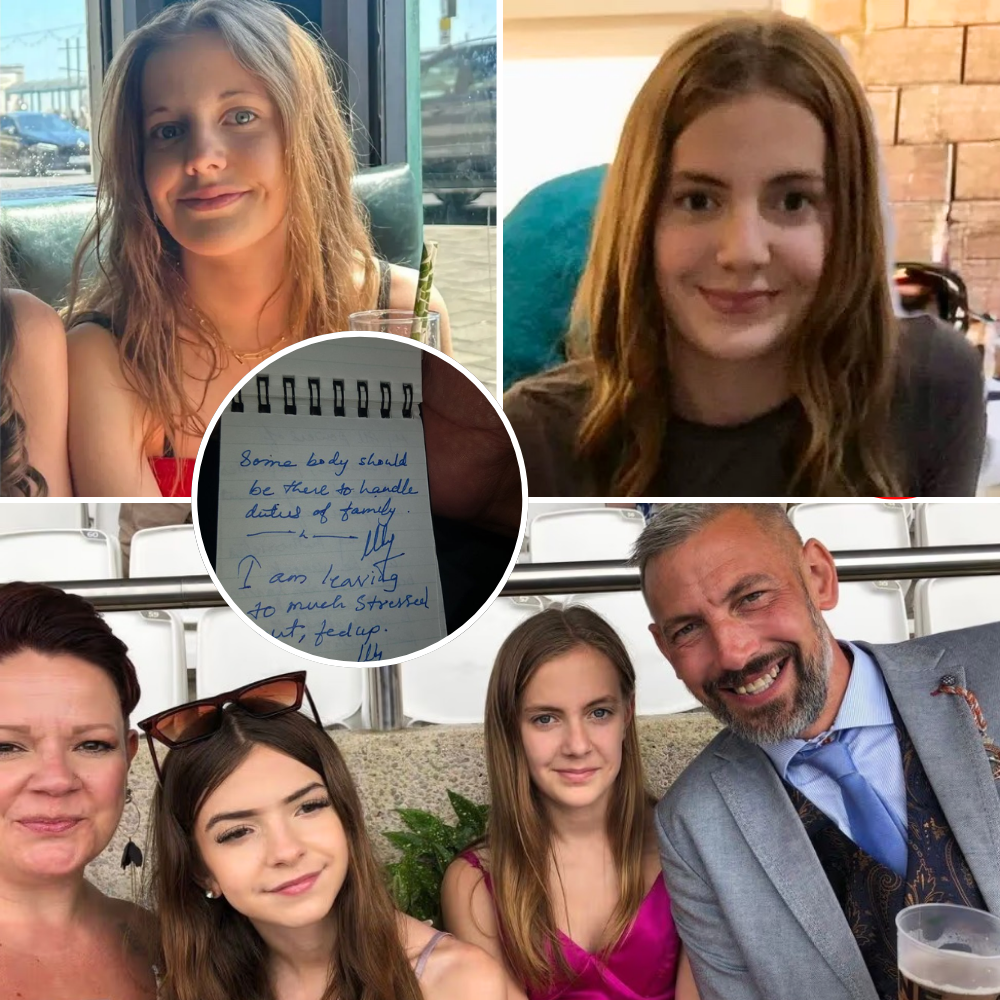
Mum Went to Wake Her 12-Year-Old for School… Instead Found Amelia Dead After Relentless Snapchat Torment 😭 Last Night She Was Happy & Laughing – The Devastating Details Inside
A cheerful 12-year-old girl with a smile that warmed every room spent her final evening wrapped in the simple joys of family life, laughing freely while sharing fish and chips at her grandparents’ house. No one could have predicted that the next morning would bring the kind of silence no parent should ever endure. On […]

👀 American Idol Judges Stunned by Braden Rumfelt’s Voice After Two Major Surgeries Destroyed His Baseball Career — His Comeback Story Is Unbelievable! 😱
The spotlights in the American Idol audition room pulsed with that familiar electric hum as 22-year-old Braden Rumfelt stepped forward, guitar slung over his shoulder, his twin brother Kellen right beside him with fingers poised on the strings. Murphy, North Carolina, felt a world away in that moment—the small-town life of substitute teaching, quiet family […]

😲 She Wrote “String Cheese” While Battling Postpartum Depression… Now Hannah Harper Is Stealing American Idol! Her Incredible Journey Will Inspire You ❤️
The Hawaiian stage lights bathed the Aulani Resort in a golden glow as 25-year-old Hannah Harper, a stay-at-home mom from the tiny town of Bunker, Missouri, gripped the microphone with the same quiet determination she once used to wrangle three rambunctious boys through a long day of laundry and snacks. Her homemade patchwork dress shimmered […]
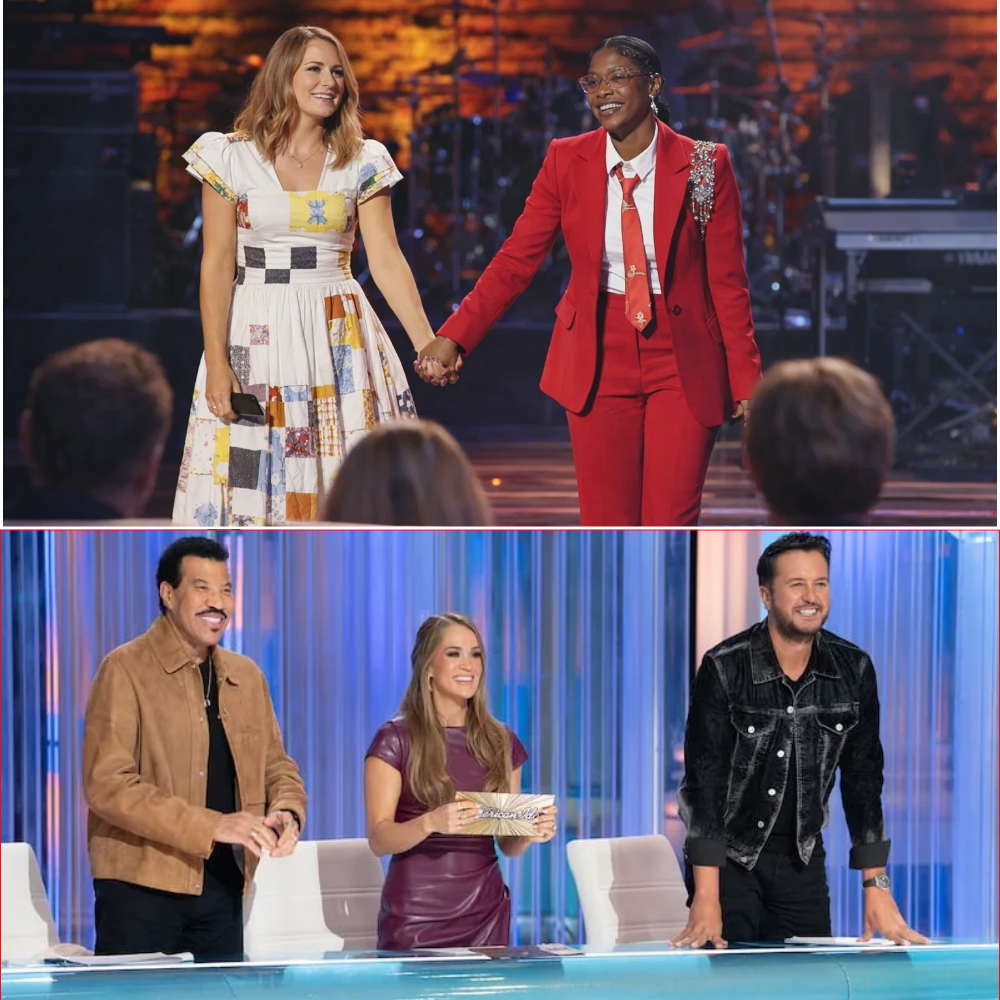
😱 American Idol Top 20 Poll SHOCK: Hannah Harper & Keyla Richardson Dominate… But Who’s Going HOME Next? 😭 Who’s in Danger?
Hawaii’s sun-drenched shores at Disney’s Aulani Resort became the unlikely battlefield where American Idol Season 24’s Top 20 delivered heart-stopping performances that have left fans divided, judges stunned, and Gold Derby readers casting their clearest verdict yet on who might not survive America’s vote. With the first live results episode looming on March 30, the […]

😱💔 Kimmie Standing On The Rooftop With That USB Drive Has Fans Terrified — Is She About To Destroy The Entire Bellarie Empire? 👀
The first explosive trailer for Beauty in Black Season 2 Part 2 is here — and everything shifts fast. The new footage shows Kimmie stepping fully into her power with zero hesitation, but one bold move has fans in total shock. Is she protecting herself… or setting something much bigger in motion? The stakes feel […]

💥 “Is The Baby Okay?” — Virgin River Season 7 Finale Left One Devastating Clue About Mel & Jack’s Child That Changes Everything 😭
Netflix just dropped the news everyone has been waiting for: Virgin River is officially returning for Season 7 — and fans are already bracing for another emotional chapter. The release date and exact drop time are now confirmed, meaning the next wave of romance, heartbreak, and small-town secrets is closer than expected. But one storyline […]
End of content
No more pages to load