What was meant to be a standard cultural engagement quickly became one of the most talked-about royal moments of the year when Catherine, the Princess of Wales, unexpectedly stepped into a lively circle of dancers and let the rhythm take over. On a bright March afternoon in 2026, during a visit to Leicester to celebrate the heritage of the British-Indian community following the vibrant Hindu festival of Holi, the future queen shed the usual reserve associated with royal appearances. Witnesses and video footage captured the instant shift in energy: laughter erupted, hands clapped in delight, and cheers filled the air as Catherine moved gracefully with the group, her presence transforming the scene from formal observation to shared celebration.
The day began with Catherine arriving in Leicester, a city known for its rich multicultural tapestry and the bustling “Golden Mile” lined with South Asian shops, restaurants, and community hubs. She was there solo, separate from Prince William, who was engaged elsewhere, to immerse herself in the post-Holi festivities and highlight the contributions of the British-Indian community. Her itinerary included stops at a renowned dance company and a local Hindu temple, where traditions like music, color, and dance were front and center.
At the Aakash Odedra Dance Company, Catherine watched an energetic Bollywood-inspired performance that left her beaming. She praised the dancers’ fitness and enthusiasm, noting how her own children—Prince George, Princess Charlotte, and Prince Louis—would be thrilled by the high-energy routines. “My children love their dancing,” she said warmly, highlighting Louis’s particular fondness for lively moves. The performance set a joyful tone, but it was the next stop at the Shreeji Dham Haveli Temple that delivered the unexpected highlight.
Inside the temple, a group of women performed the traditional Garba, a circular folk dance rooted in Gujarati culture, often associated with Navratri but embraced during Holi celebrations for its communal spirit. The dancers moved in synchronized steps, hands clapping, feet circling to upbeat rhythms played on traditional instruments. Catherine, dressed in an elegant all-white ensemble symbolizing purity and spring renewal, observed with genuine interest, accepting a floral garland and exchanging warm Namaste greetings.
Then, in a split-second decision that caught everyone—including Prince William, had he been there—off guard, Catherine decided to join. She slipped off her shoes (a respectful custom in the temple), stepped barefoot into the circle, and began mirroring the steps with surprising ease. Her movements weren’t rehearsed or overly polished; they were natural, joyful, and fully committed. She laughed as she turned with the women, her hands raised in the classic Garba pose, blending seamlessly into the group. The temple filled with delighted exclamations—locals cheered, clapped faster, and encouraged her onward. Phones came out instantly, capturing the colorful swirl of traditional fabrics, flashing smiles, and the princess at the heart of it all.
The atmosphere changed in an instant. What had been a polite, appreciative viewing turned into an inclusive party. The dancers welcomed her without hesitation, adjusting their circle to make space, and the shared energy created a sense of unity that transcended titles or protocol. For many in attendance, it felt like a rare glimpse behind the royal facade: a woman genuinely enjoying the moment, connecting through music and movement rather than standing apart.
Video clips of the scene spread like wildfire across social media platforms. Short snippets showed Catherine’s initial hesitation melting into full participation, her wide smile as she kept pace, and the infectious joy radiating from the group. Hashtags like #DancingPrincess, #KateJoinsGarba, and #HoliWithCatherine trended quickly, with users praising the spontaneity. “This is why we love her—she’s real and joins in!” one comment read. Others noted how the moment broke from the more reserved royal norms, calling it refreshing and humanizing.
Prince William, though not present at the temple stop, would later see the footage and reportedly reacted with the same surprise and amusement as the crowd. In similar past moments—such as his own light-hearted dance attempts during overseas tours—he’s shown a playful side, and sources say he smiled broadly upon viewing clips of his wife’s impromptu performance, proud of her ability to embrace the culture so authentically.
The visit extended beyond the dance. Catherine toured family-run businesses along the Golden Mile, sampled traditional chai (politely declining sugar), and engaged with residents about community life. She listened intently to stories of heritage preservation and the role of festivals like Holi in fostering belonging. Every interaction carried the same warmth: genuine curiosity, kind words, and a readiness to connect.
This Leicester outing aligned perfectly with Catherine’s long-standing interests in community building, early childhood, and cultural understanding. Her work through The Royal Foundation often emphasizes how shared experiences—like dance—bring people together and support mental well-being. By joining the Garba circle barefoot and unscripted, she embodied those values in a way no speech could match.
For the British-Indian community in Leicester, the moment was particularly meaningful. Many expressed gratitude for a senior royal taking time to celebrate their traditions so enthusiastically. “She made us feel seen and valued,” one participant shared. The temple’s atmosphere buzzed long after she left, with stories of the princess’s dance steps retold with pride.
As clips continued circulating online, the event sparked broader conversations about modern royalty: how authenticity and approachability can strengthen public connection in an era of scrutiny. Catherine’s willingness to step out of protocol—literally and figuratively—reminded people that royals are human, capable of joy, laughter, and spontaneous fun.
In the end, what started as a routine cultural visit became a viral celebration of unity and delight. The image of Catherine in the dance circle—surrounded by color, rhythm, and welcoming locals—captured something timeless: the power of shared happiness to bridge divides. It’s the kind of moment the palace rarely scripts, which is precisely why it resonates so deeply and spreads so far.
News

“Shave Her Head,” the Sergeant Ordered Coldly. “If Discipline Won’t Break Her, Maybe Humiliation Will.” But What They Didn’t Know Was That the Woman They Underestimated Would Bring Their Entire Base to Its Knees.
General Alexander Vance had heard the whispers for months: Fort Blackwood was rotting from within. Soldiers spoke in hushed tones of systematic humiliation disguised as “discipline,” falsified training records, missing supply funds that somehow vanished into private accounts, and a toxic command climate built on fear and intimidation. Every official inspection came back sparkling clean […]
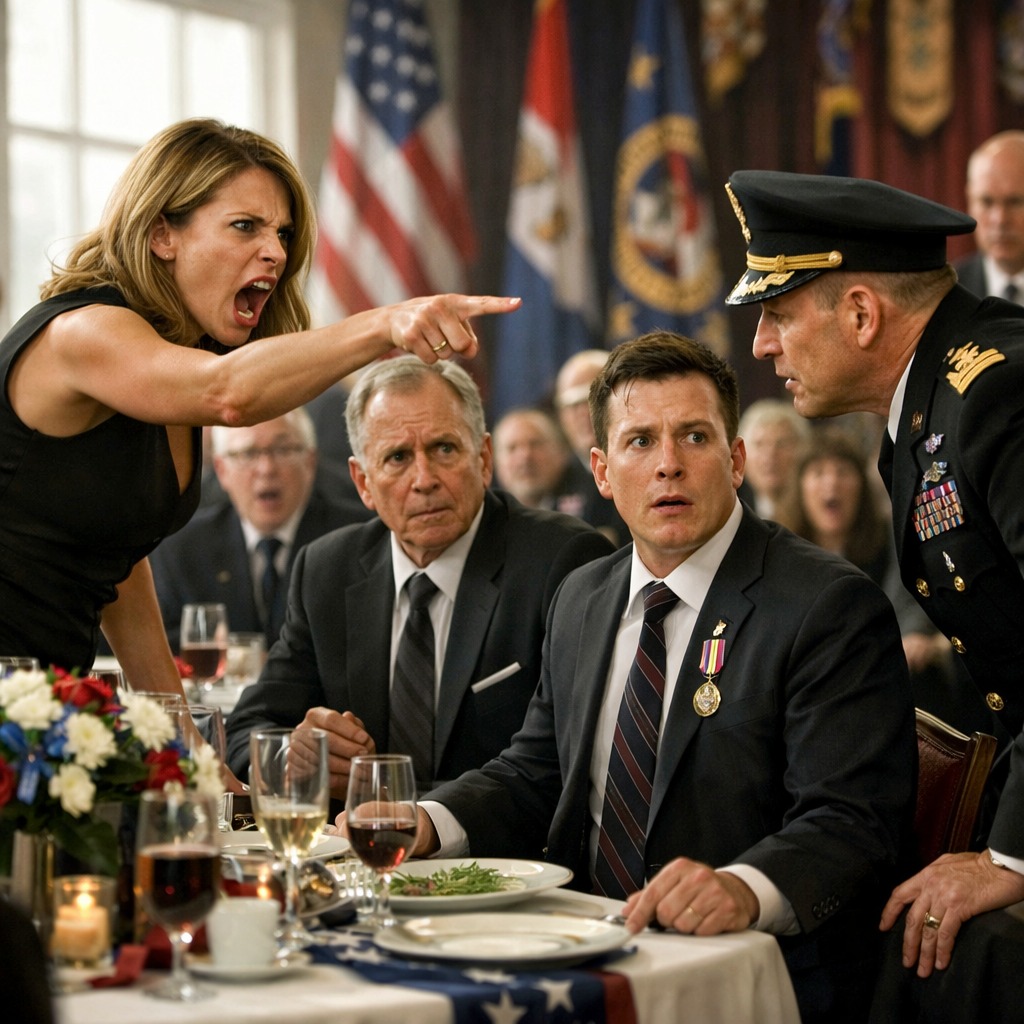
At A Veterans’ Dinner, The Colonel Leaned Toward My Brother And Asked One Simple Question: “Can You Tell Me How You Earned This Decoration, Son?” His Face Turned White. He Pointed At My Father And Said: “He Told Me It Belonged To Our Uncle.” The Uncle Never Existed.
The Ridgewood Armory smelled like every other veterans’ event I’d ever attended: floor wax, overcooked chicken, old coffee, and the faint metallic tang of too many American flags. Fluorescent lights buzzed overhead, casting a harsh glow on rows of folding tables and men in ill-fitting blazers trying to look like they still belonged in uniform. […]

“Die, B*tch,” He Spat, Swinging a Massive Fist in the Mess Hall. He Thought I Was an Easy Target — He Had No Idea He Just Attacked a Classified SEAL Shadow Operative.
I was running on fumes. Seventy-two hours of off-the-books reconnaissance in the frozen Alaskan wilderness had left every muscle screaming. My joints ached from crawling through ice-crusted snow, my eyes burned from staring through night-vision gear, and the only thing keeping me upright was the promise of a hot meal and twelve hours of blackout […]

“Do You Know Who I Am?” He Pushed Her — Seconds Later, One ID Card Ended His Career
The dim lights of Rusty’s Bar flickered like dying stars just outside Camp Pendleton. It was a Friday night, the kind where Marines came to forget the sand and the screams they carried home from deployment. I had come here for the opposite reason — to disappear. My name is Commander Thalia Renwick. Highly decorated […]

15 Years After My Dad Kicked Me Out, I Saw Him At My Sister’s Wedding. He Sneered: “If It Wasn’t For Pity, No One Would’ve Invited You.” I Just Smiled And Sipped My Wine. Then The Bride Took The Mic And Changed Everything.
The South Carolina sun was merciless that June afternoon, turning the outdoor wedding venue into a glittering oven. I stood near the back in my crisp Army dress uniform, the brass buttons and medals catching the light with every breath. At 34 years old, I had come home for my little sister’s wedding — the […]
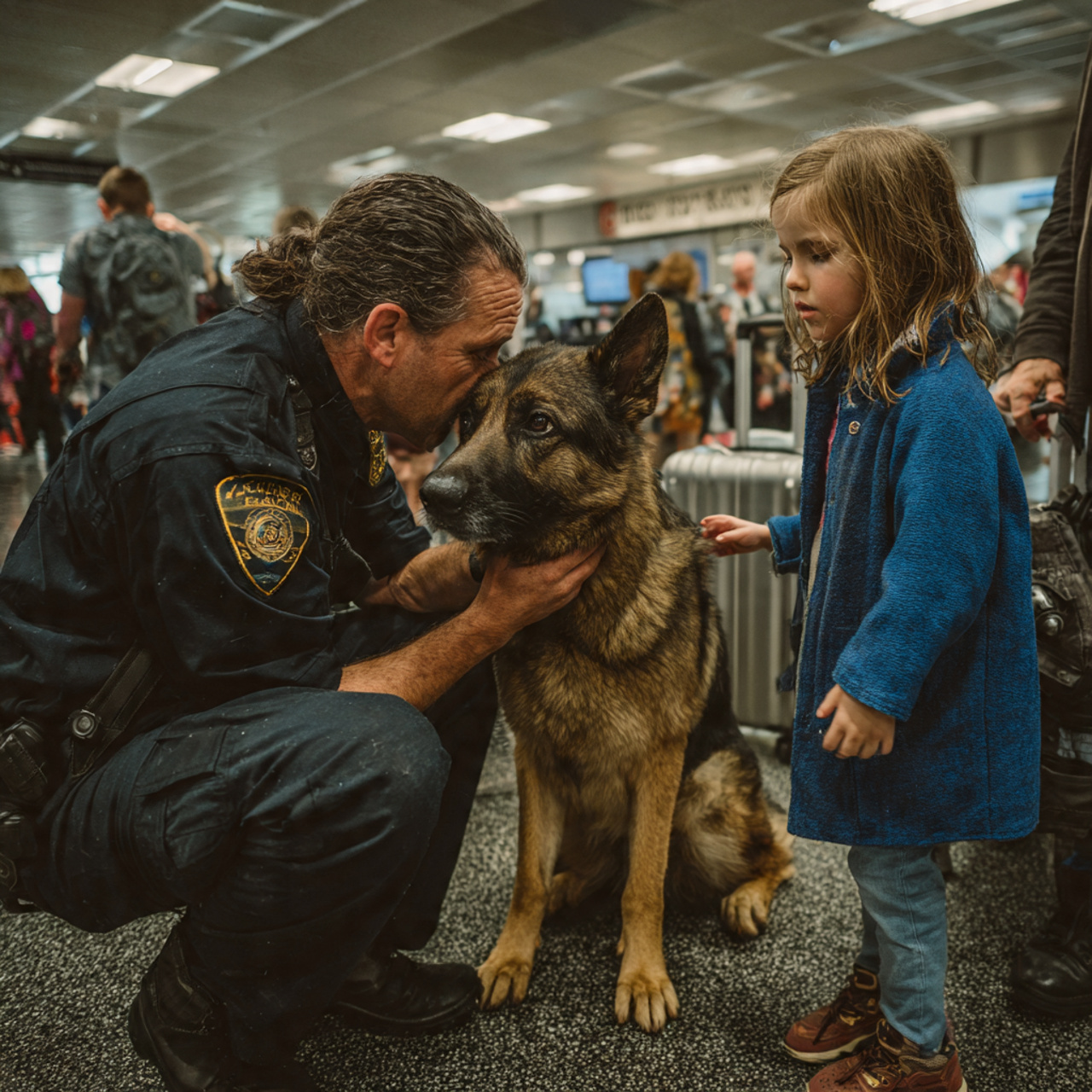
“A POLICE DOG FROZE IN THE AIRPORT. THEN A LITTLE GIRL TAPPED HIS HEAD. WHAT HAPPENED NEXT MADE EVERY TRAVELER STOP. HAVE YOU EVER WITNESSED A SILENT CRY FOR HELP?
The bustling international airport was a whirlwind of rolling suitcases, hurried announcements, and weary travelers rushing to their gates. Officer Liam Mercer patrolled the terminal with his loyal K9 partner, Rex — a highly trained German Shepherd known for his sharp instincts in detection and child safety operations. Everything seemed routine until Rex suddenly froze […]
End of content
No more pages to load