Tears, Triumph, and Unseen Battles: Braden Rumfelt’s Parents Open Up After His Emotional Advance in American Idol’s Ohana Round
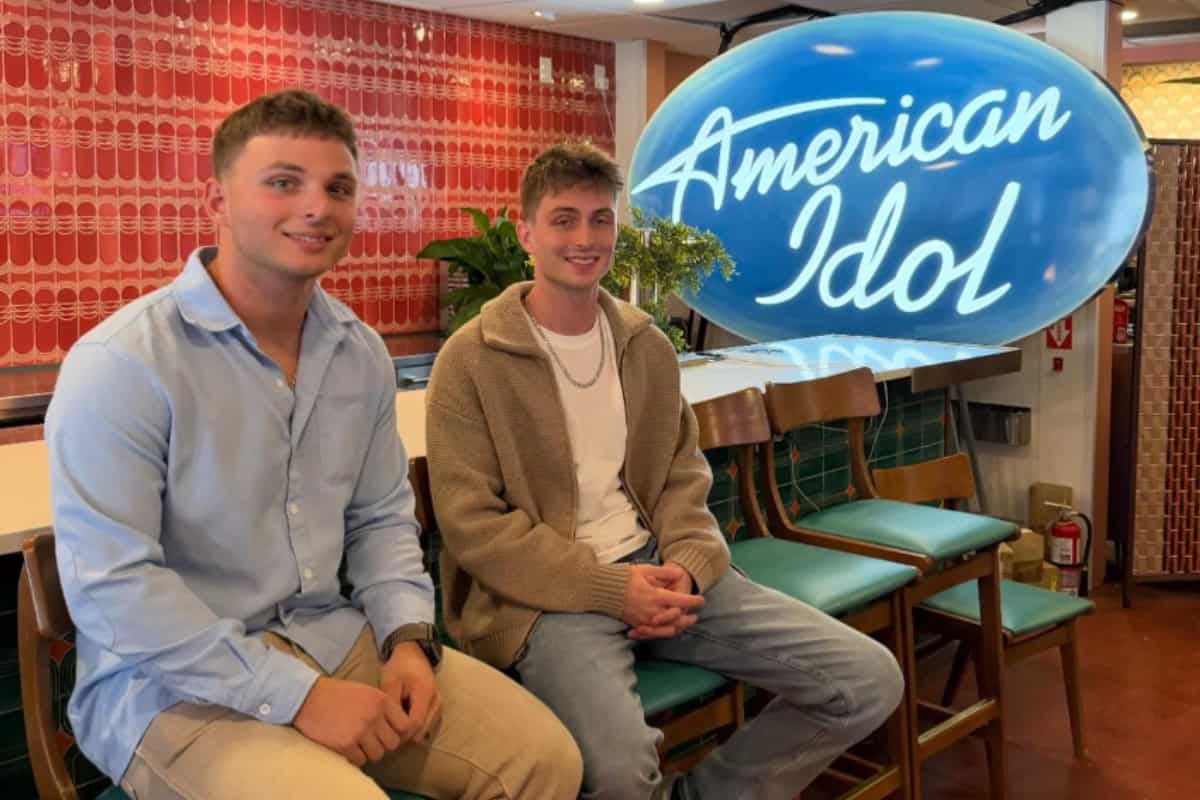
The lights of Aulani, a Disney Resort & Spa in Hawaii, dimmed as the final notes of Braden Rumfelt’s soul-stirring rendition of Alicia Keys’ “If I Ain’t Got You” faded into the tropical night. The 22-year-old from Murphy, North Carolina, stood center stage in the inaugural “Ohana Round” of American Idol Season 24, his twin brother Kellan strumming guitar beside him, the family bond palpable even through the screen. Judges Carrie Underwood, Luke Bryan, and Lionel Richie leaned forward, faces lit with admiration. Underwood called his voice “velvety and big,” Bryan praised the power in all the right places, and Richie nodded in quiet approval. Then came the verdict: Braden was through to the Top 20, one of only 20 survivors from the grueling Top 30 showdown where contestants performed personal tributes under the watchful eyes of family, industry experts, and each other.
For millions watching on March 9, 2026, it was another inspiring step in a promising journey. But for Crystal and Chris Rumfelt—Braden’s parents sitting in the audience, hearts pounding—the moment carried a weight far beyond the applause. As the cameras captured their tear-streaked faces and joyful embraces, few viewers knew the full depth of what this advancement truly meant. In exclusive interviews following the episode, Crystal and Chris spoke with raw emotion, their voices cracking as they reflected on a path marked not just by talent, but by profound personal struggle. “We never thought we’d see this day,” Crystal said, wiping away fresh tears. “Watching him stand there, confident, singing from his soul… it’s like seeing our boy rise from the ashes.”
Braden Rumfelt’s story begins in the small mountain town of Murphy, nestled in the western reaches of North Carolina, where the Blue Ridge Mountains meet quiet community life. Growing up with his twin brother Kellan, Braden was an athletic kid with dreams pinned on baseball. The brothers played side by side, sharing the diamond, the locker room laughs, and the aspirations of young athletes. But high school brought an unexpected twist: chronic knee pain that revealed a congenital leg condition requiring two major lower leg realignment surgeries. The procedures ended his baseball career overnight. “It was devastating,” Braden later shared in his audition package. “One day you’re running bases, the next you’re in a hospital bed wondering who you are without the sport.”

The surgeries, while successful physically, triggered something deeper. Braden developed severe mental health challenges, including contamination OCD and intrusive thoughts that left him in panic mode. “No hugs. Now I’m in a panic mode, like I’m going to die,” he described in a candid moment during Hollywood Week. The thoughts weren’t real, but the fear was debilitating. Therapy became essential; progress slow but steady. Music, always a church-family staple, emerged as his lifeline. Singing in church had been a comfort, eyes closed, standing still. But post-surgery, Braden found new expression—vulnerable, powerful, healing. His twin Kellan, ever supportive, picked up the guitar, and the brothers began performing together, turning pain into harmony.
When Braden auditioned for American Idol, he chose Little Big Town’s “Girl Crush” for his initial performance, a song that resonated with his journey of self-discovery and emotional depth. Kellan joined him again, their sibling synergy earning golden tickets and judge praise. Hollywood Week showcased his growth: a moving take on Sam Smith’s “I’m Not the Only One,” where Luke Bryan declared, “You could win this thing.” Braden’s voice—rich, controlled, with soaring runs and falsetto touches—stood out. But it was his quiet resilience that touched hearts. “I’ve made huge strides,” he told the cameras. “Hollywood Week… that’s good for me.”
The Ohana Round elevated everything. Introduced for Season 24, the round brought the Top 30 to Hawaii for intimate, family-focused performances. Contestants sang tributes to loved ones in the audience, with votes from families, industry experts (influencers with massive followings), and judges deciding fates. Platinum Tickets went to three standouts for guaranteed live-show spots, while judges culled the rest. Braden’s choice of “If I Ain’t Got You” was personal—a declaration of love and gratitude, amplified by Kellan’s guitar. The performance was flawless: velvety lows, powerful highs, emotional runs that left the crowd tingling. “You’ve got power in all the right places,” Bryan said, grinning. Underwood smiled throughout, Richie called it limitless talent.
As results rolled in on March 9, Braden’s name echoed among the Top 20 survivors—alongside names like Keyla Richardson, Philmon Lee, and Hannah Harper. Backstage, the Rumfelts’ emotions overflowed. Crystal, usually composed, broke down in a post-show interview with local media. “He’s come so far,” she said, voice trembling. “From the surgeries, the pain, the mental health battles… we watched him fight every day. Therapy, music, family—that’s what pulled him through. Seeing him on that stage, owning it, with Kellan right there… I couldn’t hold it in.” Chris, often the steady one, nodded, eyes glistening. “He used to stand still in church, eyes closed. Now look at him—stage presence, confidence. It’s not just singing; it’s healing in front of the world.”
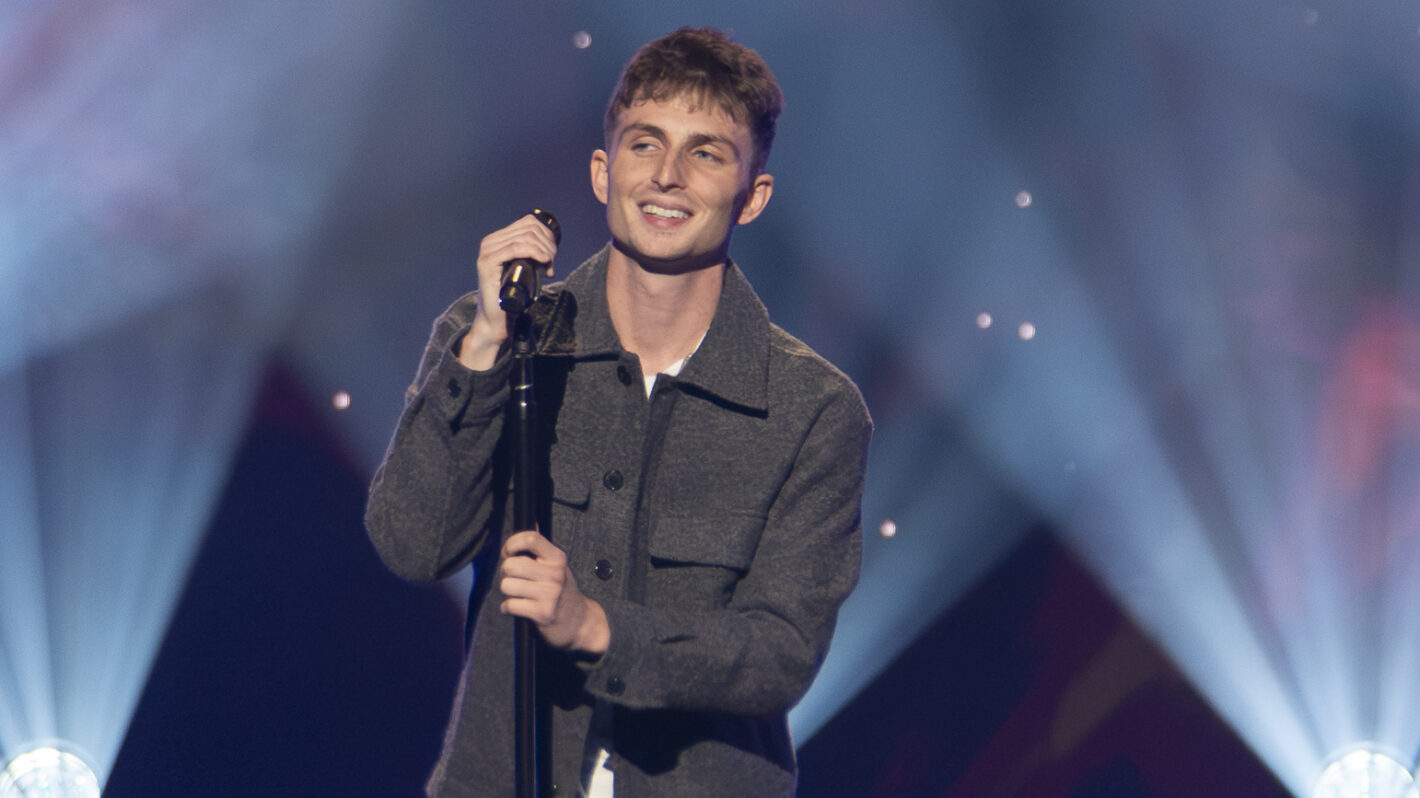
The parents’ words struck a chord because they revealed layers viewers might have missed. Braden’s journey wasn’t a straight shot to stardom. The leg issues stole his athletic identity, birthing mental health struggles that could have derailed him. OCD made everyday life a battle—intrusive thoughts, avoidance, isolation. “The doctors explained that all your body’s systems are connected,” Braden noted in reflections. Post-surgery stress amplified everything. Yet music rebuilt him. Church roots gave way to broader expression; family support never wavered. Kellan wasn’t just a guitarist—he was a constant, a reminder that Braden wasn’t alone.
Local pride in Murphy swelled. Before the Ohana Round, Braden returned home for a pop-up show at Western Carolina University on March 5, 2026, performing favorites like “Girl Crush” and “I’m Not the Only One.” Fans packed the venue, cheering the hometown hero. Parents Crystal and Chris attended, beaming. “I loved ‘Girl Crush,’ but the second song showed his growth,” Chris said earlier. “He used to stand still, eyes closed. Now he performs.” Crystal added, “He’s never had that stage presence before.” Those comments, from simpler times, took on new meaning after the Hawaii triumph.
The Ohana Round’s format amplified the emotional stakes. Performing for family added pressure—loved ones visible, their reactions raw. Braden’s tribute felt authentic, his voice carrying years of gratitude. Advancing meant more than competition progress; it validated every therapy session, every tear, every note sung in darkness. “This moment means everything because of what he’s overcome,” Crystal told reporters, hugging Chris. “Mental health struggles are silent battles. Braden fought publicly now, and we’re so proud.”
Fans online echoed the sentiment. Social media flooded with support: “Braden’s story hits hard—mental health warrior,” “From surgeries to Top 20, what a comeback.” Clips of his performances went viral, his runs and control dissected. Luke Bryan’s early prediction—”could win this thing”—resurfaced, fueling speculation. But for the Rumfelts, success was measured differently. “He’s my hero,” Crystal said of her son. “Pursuing this dream after everything… it’s inspiring.”
As Season 24 marches toward live shows, Braden’s path promises more highs—and likely more vulnerability. The Top 20 will face America’s vote, tougher challenges, and deeper personal revelations. Yet his foundation—family, faith, resilience—remains solid. Crystal and Chris watch from Murphy, hearts full. “We never thought we’d see this day,” they repeat, but now they do. And in every note Braden sings, they hear the echo of battles won, a young man who turned pain into power, proving that healing, like great music, can move mountains.
Braden Rumfelt isn’t just competing—he’s testifying. And his parents’ tears? They’re tears of victory, the kind that come after the longest nights. In a world quick to celebrate surface shine, this family’s story reminds us: true greatness often blooms from the deepest wounds.
News
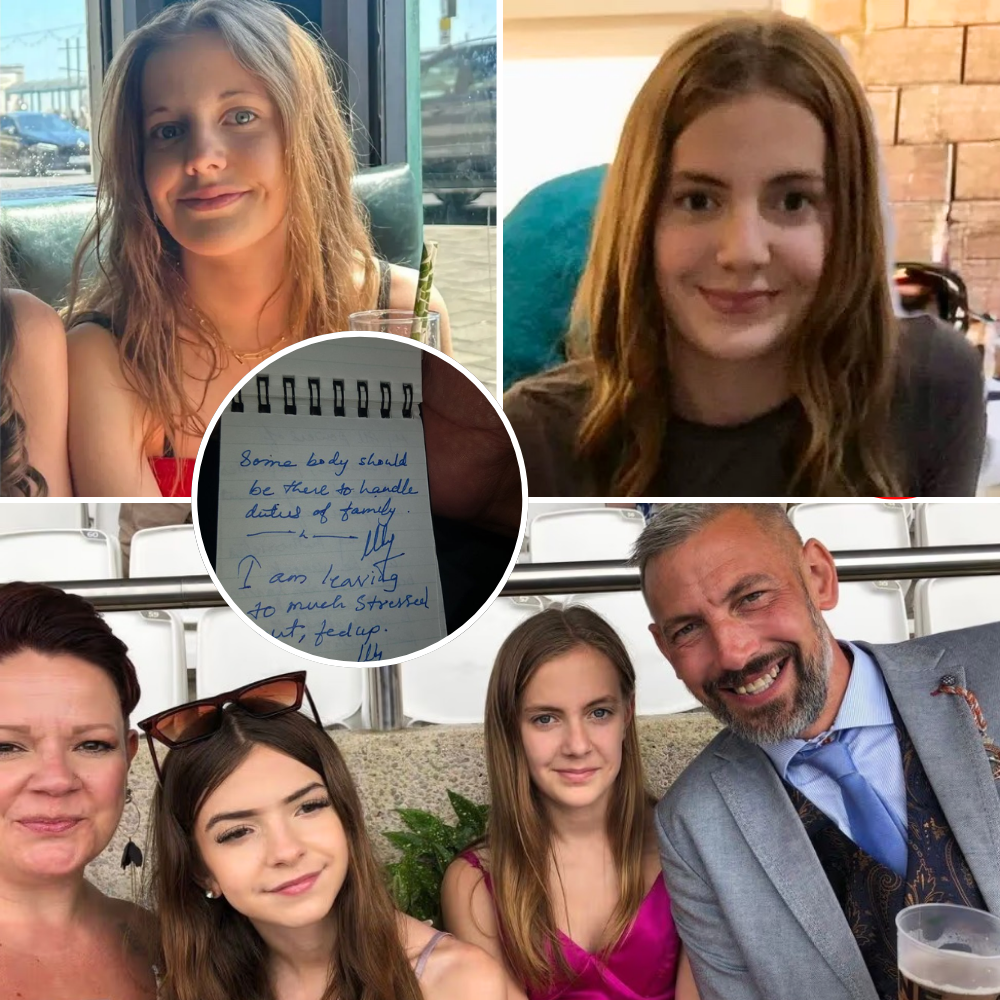
Mum Went to Wake Her 12-Year-Old for School… Instead Found Amelia Dead After Relentless Snapchat Torment 😭 Last Night She Was Happy & Laughing – The Devastating Details Inside
A cheerful 12-year-old girl with a smile that warmed every room spent her final evening wrapped in the simple joys of family life, laughing freely while sharing fish and chips at her grandparents’ house. No one could have predicted that the next morning would bring the kind of silence no parent should ever endure. On […]

👀 American Idol Judges Stunned by Braden Rumfelt’s Voice After Two Major Surgeries Destroyed His Baseball Career — His Comeback Story Is Unbelievable! 😱
The spotlights in the American Idol audition room pulsed with that familiar electric hum as 22-year-old Braden Rumfelt stepped forward, guitar slung over his shoulder, his twin brother Kellen right beside him with fingers poised on the strings. Murphy, North Carolina, felt a world away in that moment—the small-town life of substitute teaching, quiet family […]

😲 She Wrote “String Cheese” While Battling Postpartum Depression… Now Hannah Harper Is Stealing American Idol! Her Incredible Journey Will Inspire You ❤️
The Hawaiian stage lights bathed the Aulani Resort in a golden glow as 25-year-old Hannah Harper, a stay-at-home mom from the tiny town of Bunker, Missouri, gripped the microphone with the same quiet determination she once used to wrangle three rambunctious boys through a long day of laundry and snacks. Her homemade patchwork dress shimmered […]
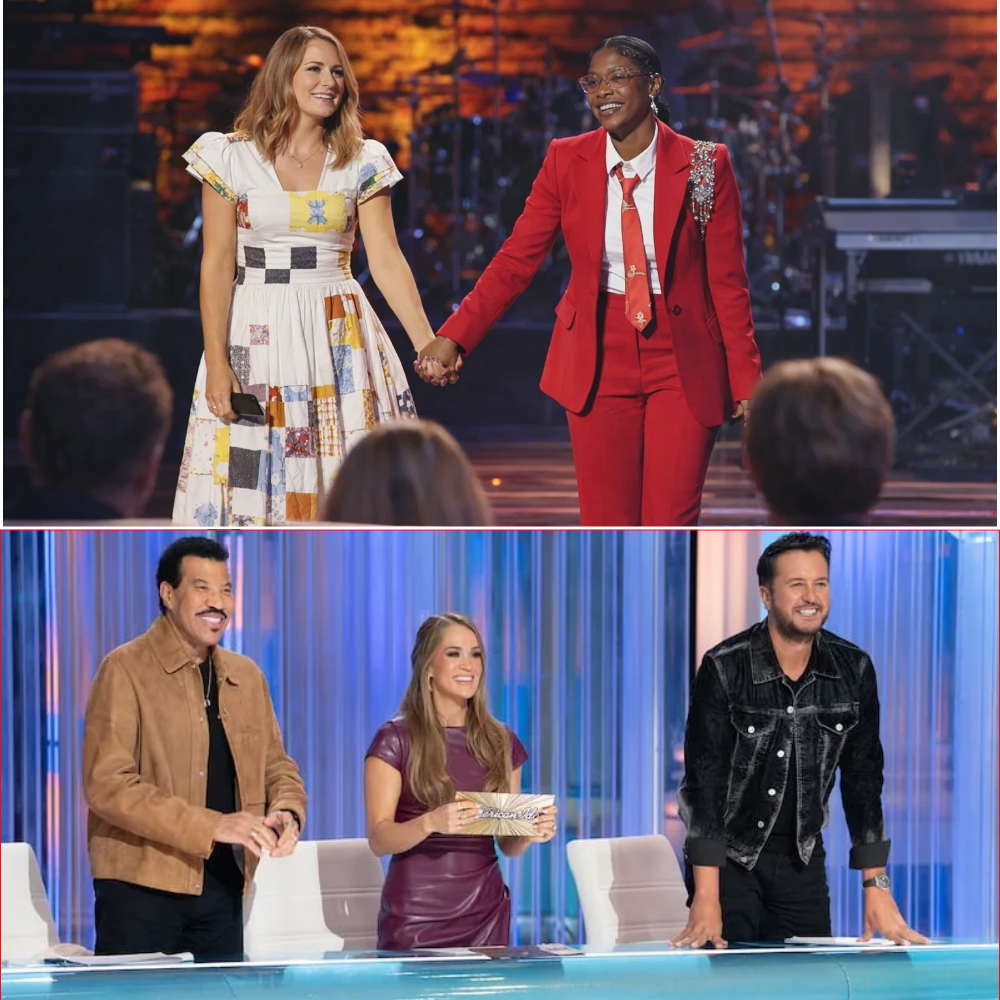
😱 American Idol Top 20 Poll SHOCK: Hannah Harper & Keyla Richardson Dominate… But Who’s Going HOME Next? 😭 Who’s in Danger?
Hawaii’s sun-drenched shores at Disney’s Aulani Resort became the unlikely battlefield where American Idol Season 24’s Top 20 delivered heart-stopping performances that have left fans divided, judges stunned, and Gold Derby readers casting their clearest verdict yet on who might not survive America’s vote. With the first live results episode looming on March 30, the […]
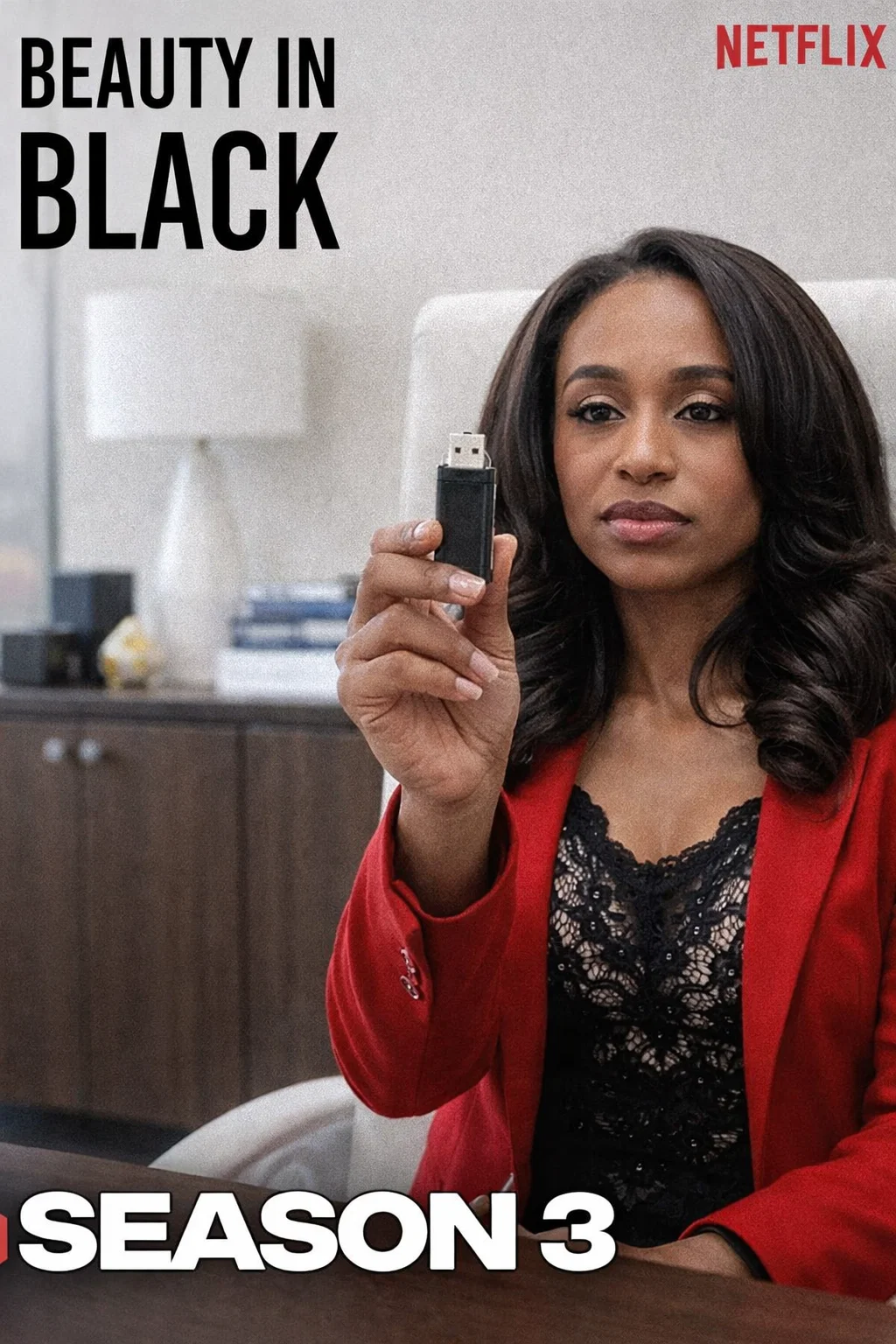
😱💔 Kimmie Standing On The Rooftop With That USB Drive Has Fans Terrified — Is She About To Destroy The Entire Bellarie Empire? 👀
The first explosive trailer for Beauty in Black Season 2 Part 2 is here — and everything shifts fast. The new footage shows Kimmie stepping fully into her power with zero hesitation, but one bold move has fans in total shock. Is she protecting herself… or setting something much bigger in motion? The stakes feel […]

💥 “Is The Baby Okay?” — Virgin River Season 7 Finale Left One Devastating Clue About Mel & Jack’s Child That Changes Everything 😭
Netflix just dropped the news everyone has been waiting for: Virgin River is officially returning for Season 7 — and fans are already bracing for another emotional chapter. The release date and exact drop time are now confirmed, meaning the next wave of romance, heartbreak, and small-town secrets is closer than expected. But one storyline […]
End of content
No more pages to load