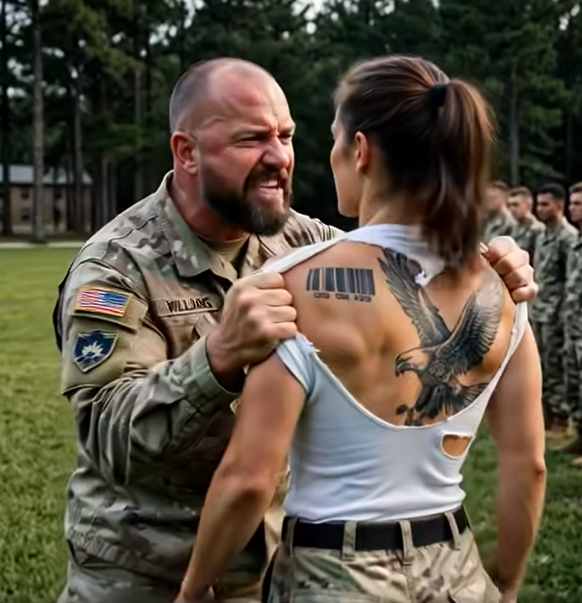
Ilia Malinin glides across the ice to Imagine Dragons’ “Believer,” and it feels less like a performance and more like a story unfolding in real time. Each powerful stroke, each explosive jump, each subtle shift in expression captures the determination, raw power, and quiet emotion that have defined his meteoric rise in figure skating. The montage circulating online—clips edited to the song’s driving beat—leaves fans with that rare, addictive feeling: the urge to hit replay again and again, chasing the same rush of inspiration and awe.
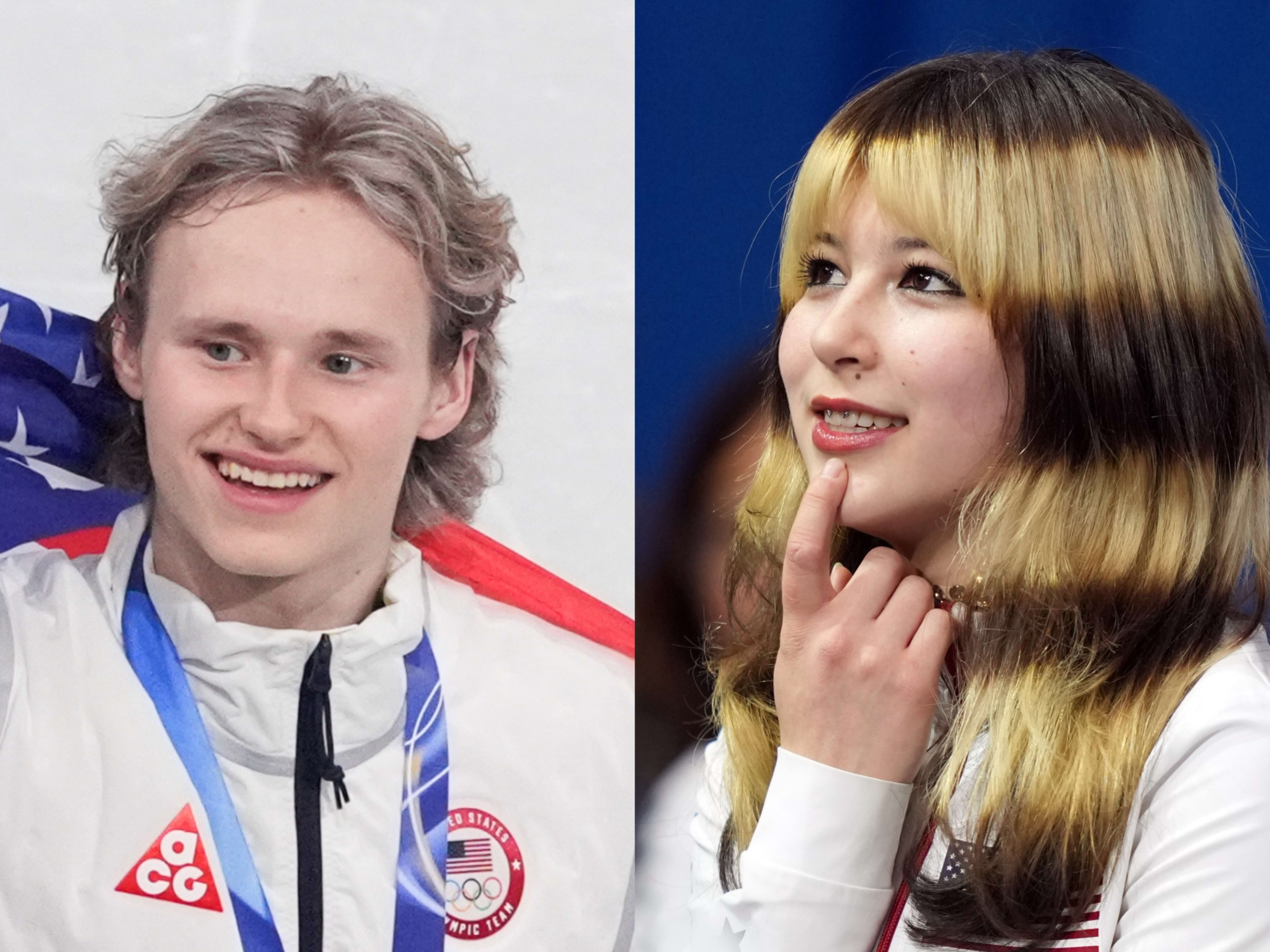
What elevates this particular moment beyond a standard highlight reel is Ilia’s playful yet mesmerizing twist: while executing flawless elements, he sings along to the lyrics, his voice carrying faintly but unmistakably over the arena speakers. Mouth moving in sync with Dan Reynolds’ anthemic chorus—”Pain! You made me a believer”—he doesn’t just skate the music; he embodies it, lips syncing the words as he launches into a quad axel or spirals into a dramatic spread eagle. The crowd erupts in delighted cheers, phones lighting up as spectators capture the joy. It’s a rare blend of technical mastery and unfiltered fun that turns an elite routine into something deeply personal and infectious.
Born in 2004 in Fairfax, Virginia, to Russian figure skating parents—his mother Tatyana Malinin and father Roman Skorniakov—Ilia grew up immersed in the sport. His family background gave him an early edge: exposure to rigorous training, international perspective, and an innate understanding of what separates good from legendary. Yet Ilia quickly carved his own path. Nicknamed the “Quad God” after becoming the first skater to land a ratified quadruple axel in competition at the 2022 U.S. International Figure Skating Classic, he has redefined what’s possible in men’s singles. By 2026, at just 21, he boasts multiple world championships, U.S. titles, and a reputation for pushing boundaries—both technical and artistic.
The “Believer” routine (or its viral montage version) draws from one of Ilia’s recent exhibition or show programs, where he trades competitive pressure for creative freedom. Unlike the high-stakes Olympic or Grand Prix programs—where scores hinge on every rotation—”Believer” allows Ilia to experiment. The song’s themes of overcoming adversity mirror his journey: early struggles with consistency, the weight of expectations as the sport’s technical frontrunner, and the resilience required to bounce back from setbacks. In 2026 Winter Olympics in Milan-Cortina, Ilia entered as the heavy favorite but faced a disappointing free skate with falls and downgrades, finishing off the podium. The gala exhibition became his redemption arc—skating to NF’s “Fear” in a haunting, emotional close—but the “Believer” piece (likely from a post-Olympic tour or Stars on Ice) captures his lighter, more defiant side.
Watch the clips closely: Ilia enters with a slow, deliberate glide, building anticipation as the intro swells. Then the beat drops—”First things first, I’ma say all the words inside my head”—and he explodes into motion. A quadruple salchow-triple toe combination lands with textbook precision, arms whipping through the air like punctuation. He transitions into footwork that matches the song’s rhythmic intensity—quick crossovers, mohawks, choctaws—his blades carving sharp edges that echo the lyrics’ punch. Mid-sequence, he mouths “You break me down, you build me up, believer,” timing a dramatic layback spin to the word “believer,” head thrown back, eyes closed in mock surrender before snapping forward with renewed fire.
:max_bytes(150000):strip_icc():focal(768x372:770x374):format(webp)/Ilia-Malinin-3-042525-f3d1da3170a64d3c80d4fd022dfda63f.jpg)
The singing moment steals the show. As he accelerates into a step sequence, Ilia visibly sings along—lips forming the words without missing a beat or edge. It’s not lip-syncing for show; it’s genuine engagement. Fans in the arena scream with delight, recognizing the vulnerability: even the Quad God, capable of impossible jumps, connects to the music like any passionate amateur. One viral clip zooms in on his face during the bridge—”By the grace of the fire and the flames”—as he belts the line while executing a flying sit spin, voice cracking slightly from exertion but full of conviction. The crowd’s reaction is electric: laughter, applause, phones waving. Commentators note it live: “He’s not just performing—he’s living the song!”
This fusion of elite athletics and playful expression highlights Ilia’s evolution. Early in his senior career, critics praised his quads but questioned artistry. Programs felt loaded with jumps, sometimes at the expense of musicality. Ilia responded by refining his presentation—working with choreographers like Shae-Lynn Bourne and others to infuse personality. Exhibitions allow full freedom: no IJS rules dictating levels or GOE caps. Here, he incorporates backflips (a signature move he popularized at the Olympics), intricate twizzles, and now vocal participation. Singing while skating demands breath control, rhythm, and multitasking—proving his athleticism extends beyond legs to lungs and timing.
The montage amplifies this magic. Edited to “Believer’s” crescendo, it intercuts slow-motion quads with real-time footwork, Ilia’s determined eyes cutting through sweat, the ice spraying like sparks. Fans dissect every frame: the way his shoulders drop before a takeoff, signaling confidence; the subtle smile when he nails a difficult combo; the raw emotion during the lyrical sections. One popular edit overlays his journey—childhood clips, first quad axel, Olympic disappointments, triumphant exhibitions—syncing triumphs to the chorus drop. “This isn’t skating,” one commenter writes. “This is storytelling on blades.”
Ilia’s connection to “Believer” runs deeper. The song’s message of turning pain into strength resonates with his path: immigrating as a child, navigating cultural shifts, facing immense pressure as America’s hope in a Russian-dominated sport. After the 2026 Olympic free skate disappointment—where nerves led to errors—he spoke candidly about internal pressure. Exhibitions like this become catharsis. Singing along isn’t gimmick; it’s release. “I love when the music hits and I can just feel it,” Ilia has said in interviews. “Singing makes it more mine.”
The audience response proves its impact. Arenas erupt when he sings; social media floods with recreations—fans attempting lip-syncs on backyard rinks or edits syncing their own skating clips. Derek Hough, dancer and former Dancing with the Stars pro, praised a similar performance: “Love this song. Love the way he’s skating.” The blend of technical wizardry and joy reminds viewers why figure skating captivates: it’s athleticism fused with art, vulnerability wrapped in power.
As Ilia continues post-Olympics—touring with Stars on Ice, preparing for future seasons—moments like this define his legacy. He doesn’t just land quads; he makes them feel emotional. He doesn’t just perform; he invites fans inside his world. Gliding to “Believer,” singing the chorus mid-spin, he transforms ice into a stage where pain becomes power, doubt becomes drive.
Fans will watch this montage repeatedly—not for the jumps alone, but for the story. Determination in every edge, power in every takeoff, quiet emotion in every sung word. Ilia Malinin isn’t just the Quad God. He’s a believer in his own making—and he’s making us believe too.
In an era of polished routines, this raw, singing glide stands out: joyful, defiant, unforgettable. Hit replay. Feel it again. Because moments like this don’t just happen on ice—they happen in hearts.
News
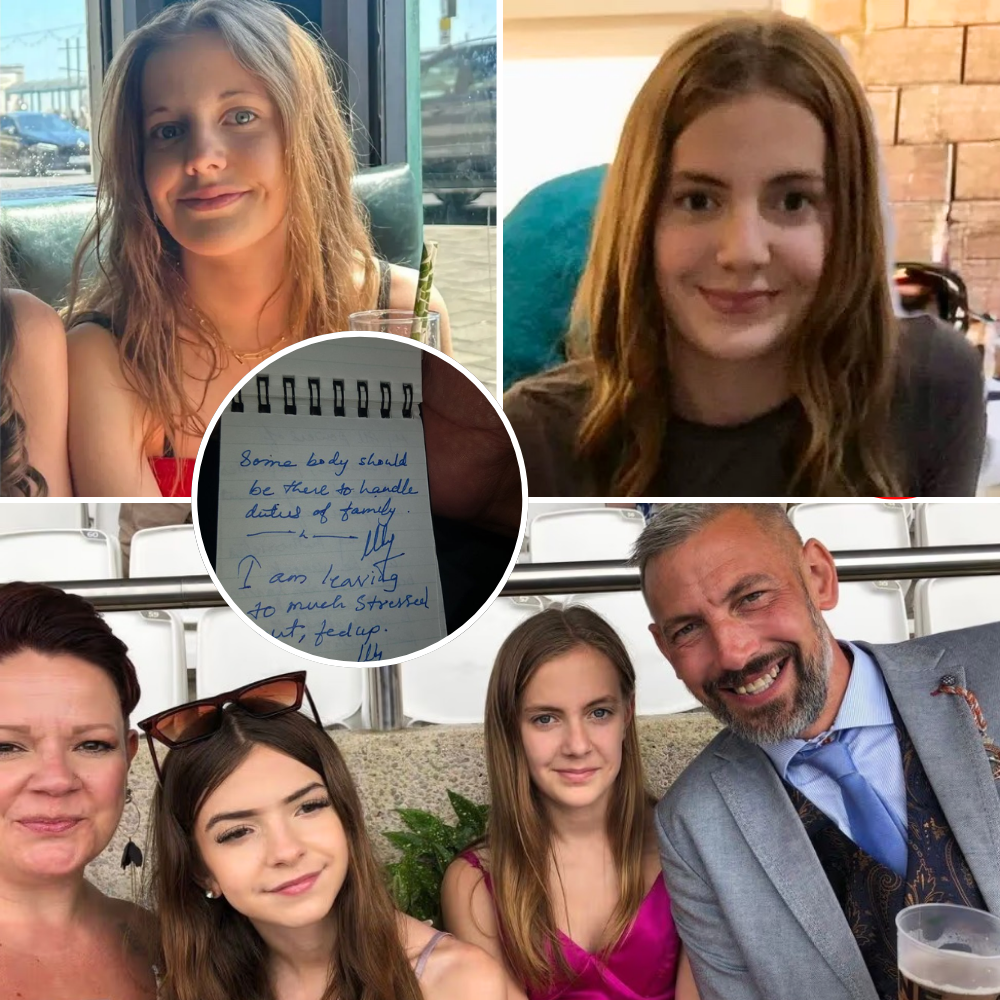
Mum Went to Wake Her 12-Year-Old for School… Instead Found Amelia Dead After Relentless Snapchat Torment 😭 Last Night She Was Happy & Laughing – The Devastating Details Inside
A cheerful 12-year-old girl with a smile that warmed every room spent her final evening wrapped in the simple joys of family life, laughing freely while sharing fish and chips at her grandparents’ house. No one could have predicted that the next morning would bring the kind of silence no parent should ever endure. On […]

👀 American Idol Judges Stunned by Braden Rumfelt’s Voice After Two Major Surgeries Destroyed His Baseball Career — His Comeback Story Is Unbelievable! 😱
The spotlights in the American Idol audition room pulsed with that familiar electric hum as 22-year-old Braden Rumfelt stepped forward, guitar slung over his shoulder, his twin brother Kellen right beside him with fingers poised on the strings. Murphy, North Carolina, felt a world away in that moment—the small-town life of substitute teaching, quiet family […]

😲 She Wrote “String Cheese” While Battling Postpartum Depression… Now Hannah Harper Is Stealing American Idol! Her Incredible Journey Will Inspire You ❤️
The Hawaiian stage lights bathed the Aulani Resort in a golden glow as 25-year-old Hannah Harper, a stay-at-home mom from the tiny town of Bunker, Missouri, gripped the microphone with the same quiet determination she once used to wrangle three rambunctious boys through a long day of laundry and snacks. Her homemade patchwork dress shimmered […]

😱 American Idol Top 20 Poll SHOCK: Hannah Harper & Keyla Richardson Dominate… But Who’s Going HOME Next? 😭 Who’s in Danger?
Hawaii’s sun-drenched shores at Disney’s Aulani Resort became the unlikely battlefield where American Idol Season 24’s Top 20 delivered heart-stopping performances that have left fans divided, judges stunned, and Gold Derby readers casting their clearest verdict yet on who might not survive America’s vote. With the first live results episode looming on March 30, the […]
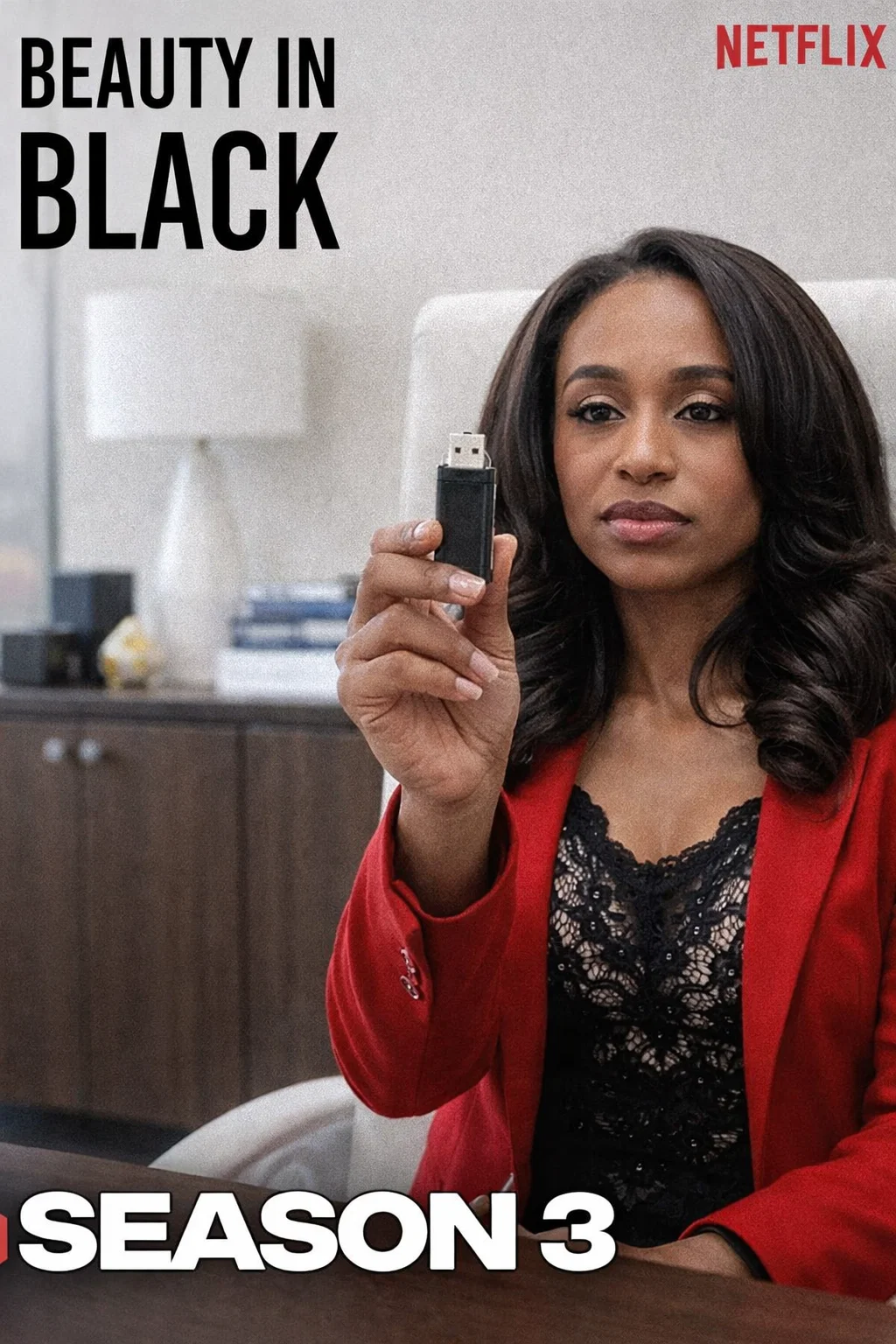
😱💔 Kimmie Standing On The Rooftop With That USB Drive Has Fans Terrified — Is She About To Destroy The Entire Bellarie Empire? 👀
The first explosive trailer for Beauty in Black Season 2 Part 2 is here — and everything shifts fast. The new footage shows Kimmie stepping fully into her power with zero hesitation, but one bold move has fans in total shock. Is she protecting herself… or setting something much bigger in motion? The stakes feel […]

💥 “Is The Baby Okay?” — Virgin River Season 7 Finale Left One Devastating Clue About Mel & Jack’s Child That Changes Everything 😭
Netflix just dropped the news everyone has been waiting for: Virgin River is officially returning for Season 7 — and fans are already bracing for another emotional chapter. The release date and exact drop time are now confirmed, meaning the next wave of romance, heartbreak, and small-town secrets is closer than expected. But one storyline […]
End of content
No more pages to load