The high-speed action-comedy Bullet Train is shifting gears into sequel territory, with Sony Pictures reportedly accelerating development on a follow-up that could reunite the original stars and add fresh chaos to the mix. First released in 2022, the film became a surprise hit, blending stylish violence, quirky humor, and an all-star ensemble in a confined, fast-moving setting. Now, after strong ongoing demand through streaming and home video, the studio is pushing forward on Bullet Train 2, eyeing a potential release in late 2026 or more realistically 2027.
Brad Pitt is expected to reprise his role as Ladybug, the unlucky yet highly skilled assassin whose “no-kill” policy and bad luck define his character. Pitt’s performance—equal parts comedic timing, physical prowess, and deadpan charm—drove much of the original’s appeal, turning a reluctant hitman into an unlikely hero amid a train full of deadly passengers. Sandra Bullock is also anticipated to return as Maria Beetle, Ladybug’s no-nonsense handler who communicates via earpiece, providing guidance, sarcasm, and the occasional twist. Their chemistry, even through limited on-screen interaction, added layers of wit and tension that fans hope to see expanded.
Adding to the excitement, Margot Robbie is reportedly in talks to join the cast. The Barbie and The Wolf of Wall Street star would bring her signature blend of charisma, intensity, and versatility to what promises to be another ensemble of colorful assassins. While her exact role remains under wraps—speculation ranges from a rival killer to a new wildcard operative—her involvement could elevate the film’s star power and introduce fresh dynamics to the high-stakes game of survival on the move.
Director David Leitch is likely to return behind the camera, bringing his signature kinetic style honed from John Wick, Atomic Blonde, and Deadpool 2. Leitch’s expertise in choreographed action, humor-infused set pieces, and visual flair made the first film stand out, and his packed schedule—including other high-profile projects—has influenced the timeline. A late 2026 start to principal photography is possible, but 2027 feels more realistic to allow for script polishing, location scouting, and coordination among busy talent.

The original Bullet Train followed Ladybug’s assignment to steal a mysterious briefcase aboard a Tokyo-bound Shinkansen, only to discover every passenger is an assassin with their own agenda. The confined setting amplified tension, leading to inventive fight scenes, betrayals, and dark comedy. The sequel is expected to retain that core formula—another high-speed journey, new deadly players, and escalating mayhem—but with a twist: a new location to keep things fresh. Rumors point to a different train route or even an international high-speed rail system, expanding the scope while preserving the “claustrophobic chaos” that defined the first film.
Fresh assassins are also in the mix, promising a new roster of eccentric killers with unique weapons, backstories, and motivations. The original’s ensemble—featuring Aaron Taylor-Johnson, Brian Tyree Henry, Joey King, Michael Shannon, and others—set a high bar for memorable characters, and the sequel aims to match or exceed that with inventive newcomers. Plot details remain closely guarded, but the story could build on unresolved threads, such as the White Death organization’s lingering influence or Ladybug’s ongoing quest for a quieter life.
Sony’s push stems from the first film’s performance: it grossed over $240 million worldwide against a $90 million budget, and its colorful, meme-worthy moments found new life on streaming platforms. The movie’s blend of humor, violence, and pop culture references resonated with audiences, turning it into a cult favorite despite mixed critical reviews. Renewed interest, combined with the stars’ availability and Leitch’s track record, convinced the studio to move forward.
Challenges remain: scheduling conflicts among Pitt, Bullock, Robbie, and Leitch could delay production, and the script needs to capture the original’s lightning-in-a-bottle energy without feeling repetitive. Yet the potential is clear—a bigger, bolder ride with returning favorites and new talent could deliver the kind of crowd-pleasing action-comedy that theaters crave.
As Bullet Train 2 picks up speed, anticipation builds for another wild journey packed with twists, laughs, and high-stakes showdowns. Whether it arrives in 2026 or slips to 2027, one thing seems certain: all aboard for round two promises to be even more chaotic—and entertaining—than the first.
News
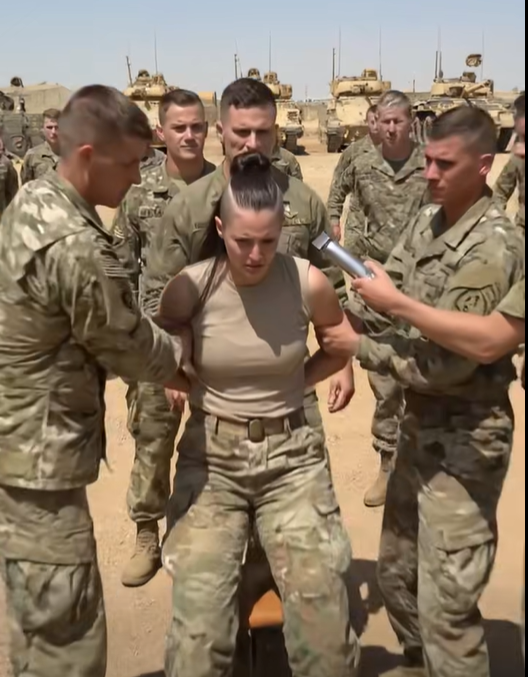
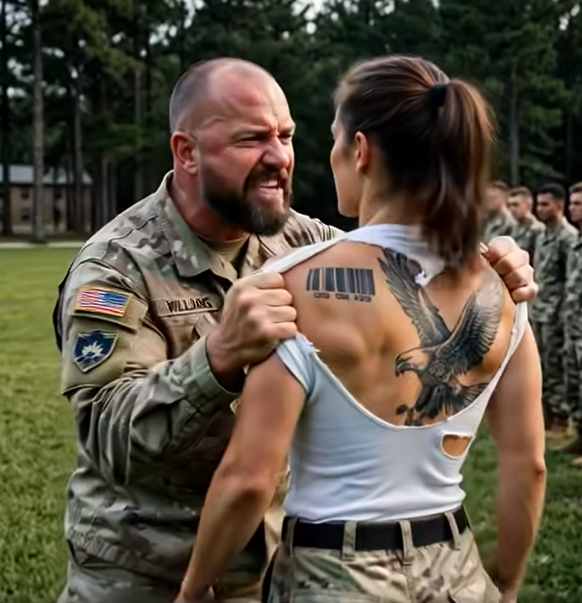
“Shave Her Head,” the Sergeant Ordered Coldly. “If Discipline Won’t Break Her, Maybe Humiliation Will.” But What They Didn’t Know Was That the Woman They Underestimated Would Bring Their Entire Base to Its Knees.
General Alexander Vance had heard the whispers for months: Fort Blackwood was rotting from within. Soldiers spoke in hushed tones of systematic humiliation disguised as “discipline,” falsified training records, missing supply funds that somehow vanished into private accounts, and a toxic command climate built on fear and intimidation. Every official inspection came back sparkling clean […]
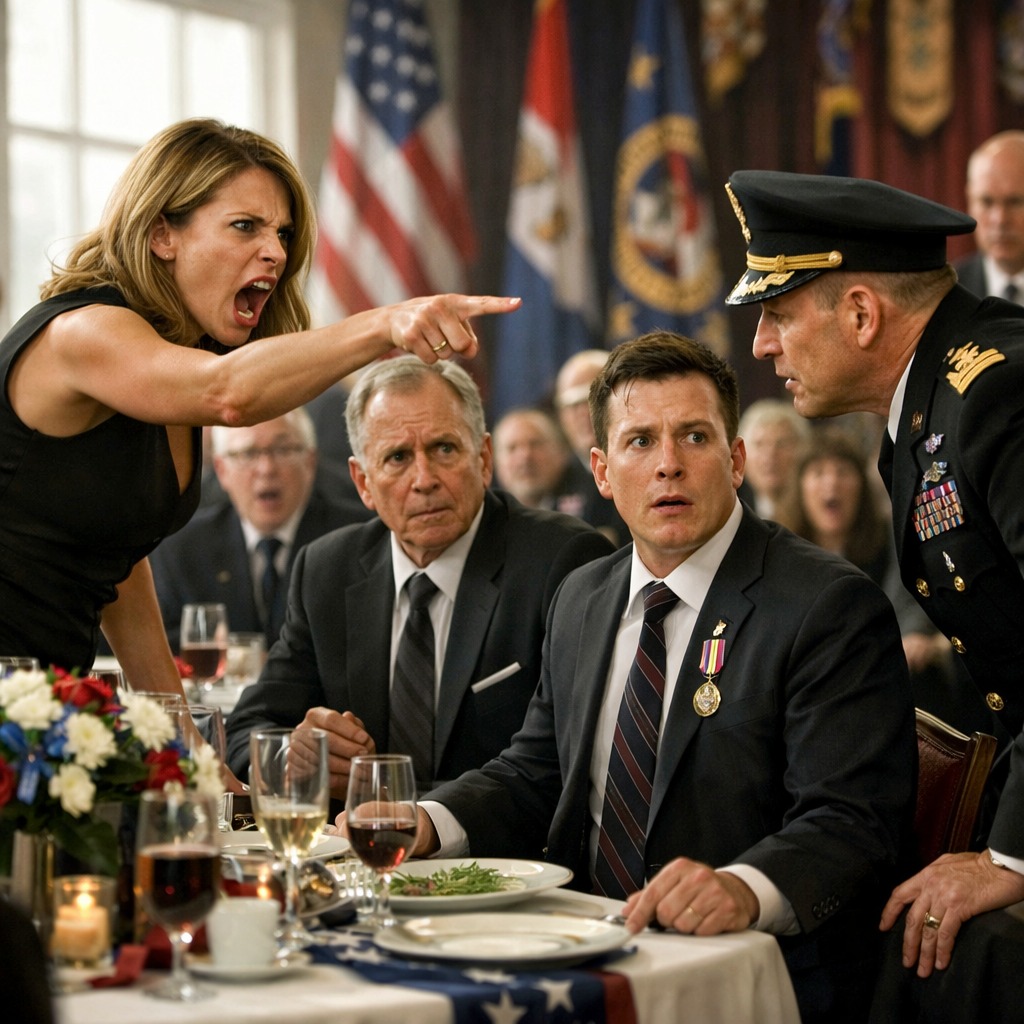
At A Veterans’ Dinner, The Colonel Leaned Toward My Brother And Asked One Simple Question: “Can You Tell Me How You Earned This Decoration, Son?” His Face Turned White. He Pointed At My Father And Said: “He Told Me It Belonged To Our Uncle.” The Uncle Never Existed.
The Ridgewood Armory smelled like every other veterans’ event I’d ever attended: floor wax, overcooked chicken, old coffee, and the faint metallic tang of too many American flags. Fluorescent lights buzzed overhead, casting a harsh glow on rows of folding tables and men in ill-fitting blazers trying to look like they still belonged in uniform. […]
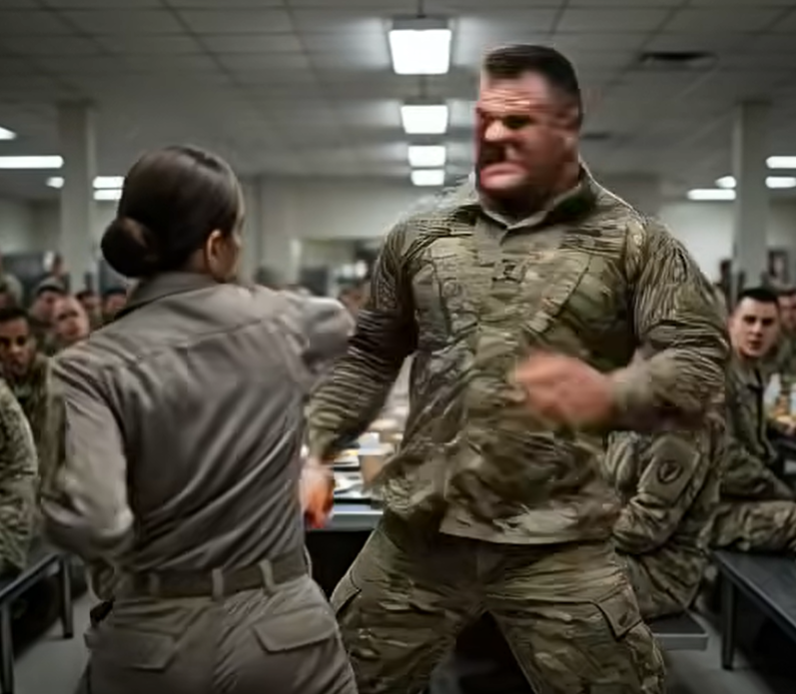
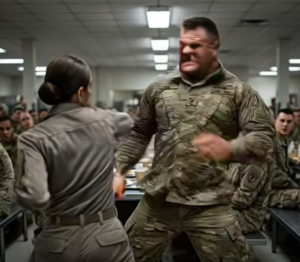
“Die, B*tch,” He Spat, Swinging a Massive Fist in the Mess Hall. He Thought I Was an Easy Target — He Had No Idea He Just Attacked a Classified SEAL Shadow Operative.
I was running on fumes. Seventy-two hours of off-the-books reconnaissance in the frozen Alaskan wilderness had left every muscle screaming. My joints ached from crawling through ice-crusted snow, my eyes burned from staring through night-vision gear, and the only thing keeping me upright was the promise of a hot meal and twelve hours of blackout […]
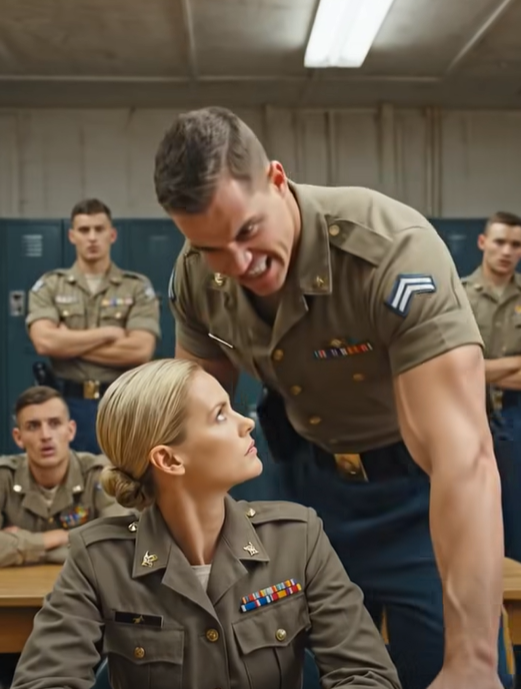
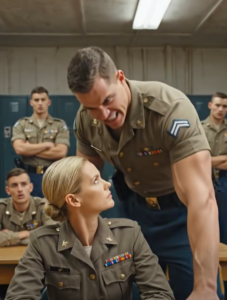
“Do You Know Who I Am?” He Pushed Her — Seconds Later, One ID Card Ended His Career
The dim lights of Rusty’s Bar flickered like dying stars just outside Camp Pendleton. It was a Friday night, the kind where Marines came to forget the sand and the screams they carried home from deployment. I had come here for the opposite reason — to disappear. My name is Commander Thalia Renwick. Highly decorated […]

15 Years After My Dad Kicked Me Out, I Saw Him At My Sister’s Wedding. He Sneered: “If It Wasn’t For Pity, No One Would’ve Invited You.” I Just Smiled And Sipped My Wine. Then The Bride Took The Mic And Changed Everything.
The South Carolina sun was merciless that June afternoon, turning the outdoor wedding venue into a glittering oven. I stood near the back in my crisp Army dress uniform, the brass buttons and medals catching the light with every breath. At 34 years old, I had come home for my little sister’s wedding — the […]
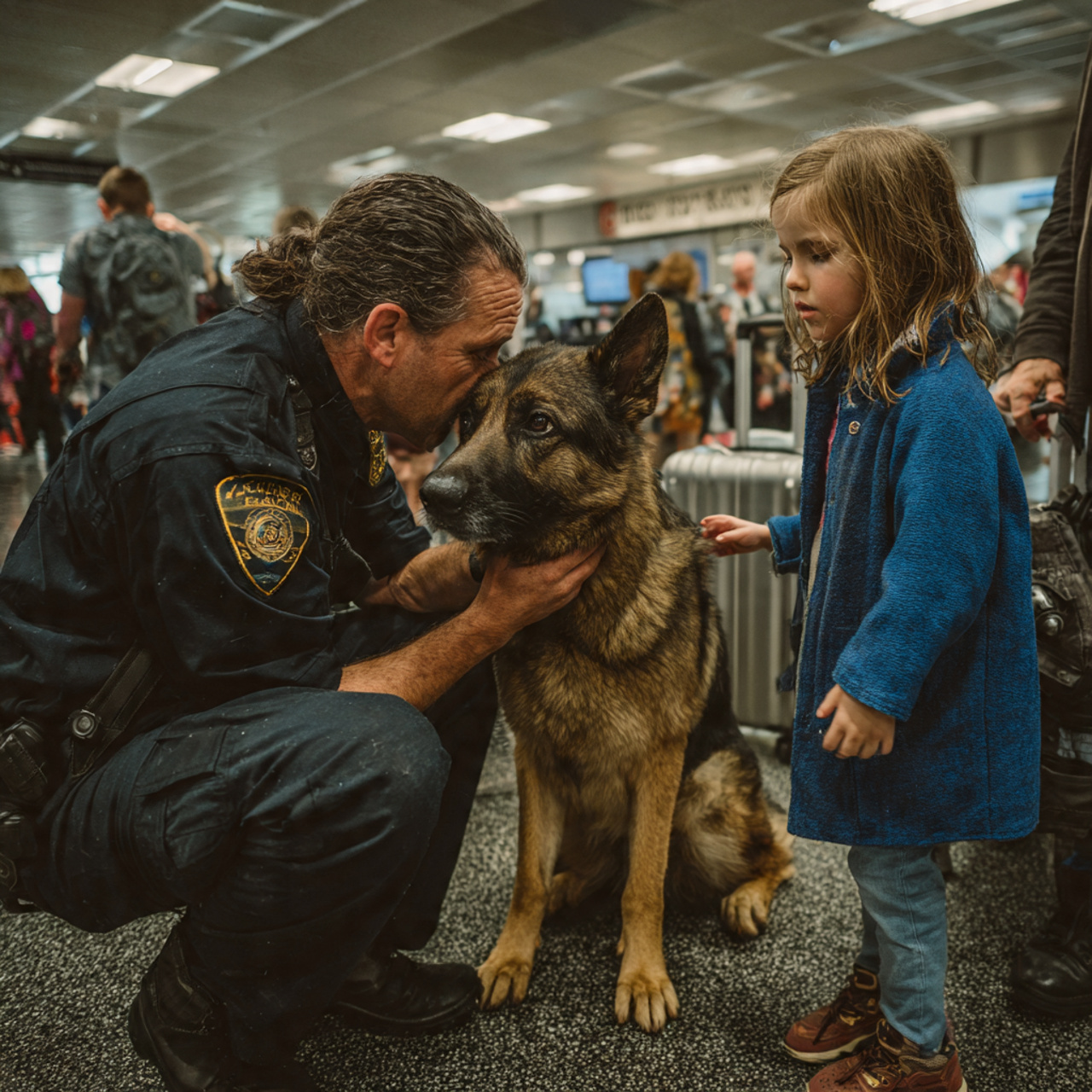
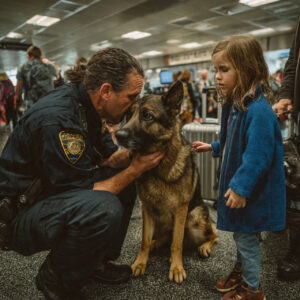
“A POLICE DOG FROZE IN THE AIRPORT. THEN A LITTLE GIRL TAPPED HIS HEAD. WHAT HAPPENED NEXT MADE EVERY TRAVELER STOP. HAVE YOU EVER WITNESSED A SILENT CRY FOR HELP?
The bustling international airport was a whirlwind of rolling suitcases, hurried announcements, and weary travelers rushing to their gates. Officer Liam Mercer patrolled the terminal with his loyal K9 partner, Rex — a highly trained German Shepherd known for his sharp instincts in detection and child safety operations. Everything seemed routine until Rex suddenly froze […]
End of content
No more pages to load