The recent viral moment involving Princess Anne at a Six Nations rugby match has captured widespread attention, with fans and royal observers replaying the brief pitch-side interaction that briefly broke royal protocol and sparked online speculation. The Princess Royal, long-time patron of Scottish Rugby since 1986, was on hand at Murrayfield Stadium in Edinburgh on February 15, 2026, to present the Calcutta Cup following Scotland’s thrilling victory over England in the annual rivalry fixture.
As Scotland captain Sione Tuipulotu approached to receive the prestigious silverware, cameras captured what appeared to be an instinctive lean-in from the jubilant player. In the heat of celebration after a hard-fought win that saw Scotland reclaim the cup for the seventh time in nine years, Tuipulotu seemed poised to embrace the senior royal. For a split second, the body language suggested a hug—or even a kiss on the cheek—might follow, a gesture common in sports but strictly off-limits under royal etiquette when interacting with members of the Firm.
Princess Anne, ever the picture of composure, reacted with practiced poise. She stepped back slightly, placed a gentle hand on his shoulder in a friendly but firm deflection, and exchanged a few words before handing over the trophy. The exchange lasted mere seconds, but it was enough to fuel immediate reactions across social media platforms. Viewers quickly shared clips, with comments flooding in: “I thought he was going to kiss her!” became a recurring phrase, alongside praise for Anne’s professionalism in maintaining boundaries without diminishing the celebratory mood.
The moment unfolded during the traditional post-match presentation, a highlight of the Calcutta Cup tradition dating back to 1879. Princess Anne, 75, had traveled directly from the Winter Olympics in Milano Cortina, Italy, to attend the match, underscoring her unwavering commitment to the sport she has championed for four decades. As patron of the Scottish Rugby Union, she regularly attends fixtures, presents awards, and engages with players and fans, earning respect for her genuine enthusiasm and no-nonsense approach.
Royal protocol generally prohibits physical contact beyond handshakes in formal settings, particularly with senior royals. Hugs or kisses are rare exceptions, typically reserved for close family or in highly informal contexts. Anne’s subtle redirection—described by body language experts as a clear yet affectionate signal of “that’s far enough”—prevented any breach while keeping the atmosphere warm. Fans noted her smile and brief comment to Tuipulotu, interpreting it as encouraging rather than dismissive.

The clip spread rapidly online, amassing views and comments praising Anne’s grace under unexpected pressure. One viewer wrote, “She handled that perfectly—professional but kind.” Another added, “Almost got a hug! That’s something you never see.” The incident highlighted the Princess Royal’s reputation for quick thinking and unflappable demeanor, traits that have defined her public role for decades. Unlike more ceremonial royals, Anne is known for her directness, work ethic, and ability to adapt in real-time situations.
This was not the first awkward or lighthearted moment for Anne during the 2026 Six Nations campaign. Earlier in the tournament, during Scotland’s match against Italy in Rome on February 7, she experienced a charming Jumbotron surprise. While watching from the stands, the stadium crowd erupted in cheers when her image appeared on the big screen during an injury break. Initially oblivious, Anne only realized the applause was for her after a companion nudged her. She responded with a modest laugh and warm smile, muttering something appreciative to her neighbor, further endearing her to fans who appreciated her humility amid the ovation.
The rugby pitch-side clip, however, stood out for its potential protocol slip, reminding audiences of the delicate balance royals maintain between tradition and human connection. In a sport celebrated for its camaraderie and physicality, Tuipulotu’s enthusiasm reflected the joy of victory, while Anne’s response preserved decorum without dampening spirits. Commentators noted that such moments humanize the monarchy, showing royals as approachable yet bound by longstanding customs.
The viral exchange has sparked broader discussions about evolving royal interactions in modern times. With younger royals occasionally adopting more relaxed styles and public expectations shifting toward authenticity, incidents like this highlight the ongoing tension between formality and spontaneity. Anne, as one of the most hardworking and understated members of the family, navigated the moment flawlessly, earning renewed admiration for her steady presence.
Beyond the rugby result—Scotland’s hard-earned triumph—the brief interaction became the weekend’s most talked-about sidelight. It served as a reminder that even in carefully choreographed royal appearances, unscripted seconds can capture imaginations and circulate globally. For Princess Anne, the patron who has quietly supported Scottish rugby through triumphs and challenges for nearly four decades, the moment was just another day of duty—handled with the same quiet confidence that has defined her remarkable career.
News
“Shave Her Head,” the Sergeant Ordered Coldly. “If Discipline Won’t Break Her, Maybe Humiliation Will.” But What They Didn’t Know Was That the Woman They Underestimated Would Bring Their Entire Base to Its Knees.
General Alexander Vance had heard the whispers for months: Fort Blackwood was rotting from within. Soldiers spoke in hushed tones of systematic humiliation disguised as “discipline,” falsified training records, missing supply funds that somehow vanished into private accounts, and a toxic command climate built on fear and intimidation. Every official inspection came back sparkling clean […]
At A Veterans’ Dinner, The Colonel Leaned Toward My Brother And Asked One Simple Question: “Can You Tell Me How You Earned This Decoration, Son?” His Face Turned White. He Pointed At My Father And Said: “He Told Me It Belonged To Our Uncle.” The Uncle Never Existed.
The Ridgewood Armory smelled like every other veterans’ event I’d ever attended: floor wax, overcooked chicken, old coffee, and the faint metallic tang of too many American flags. Fluorescent lights buzzed overhead, casting a harsh glow on rows of folding tables and men in ill-fitting blazers trying to look like they still belonged in uniform. […]
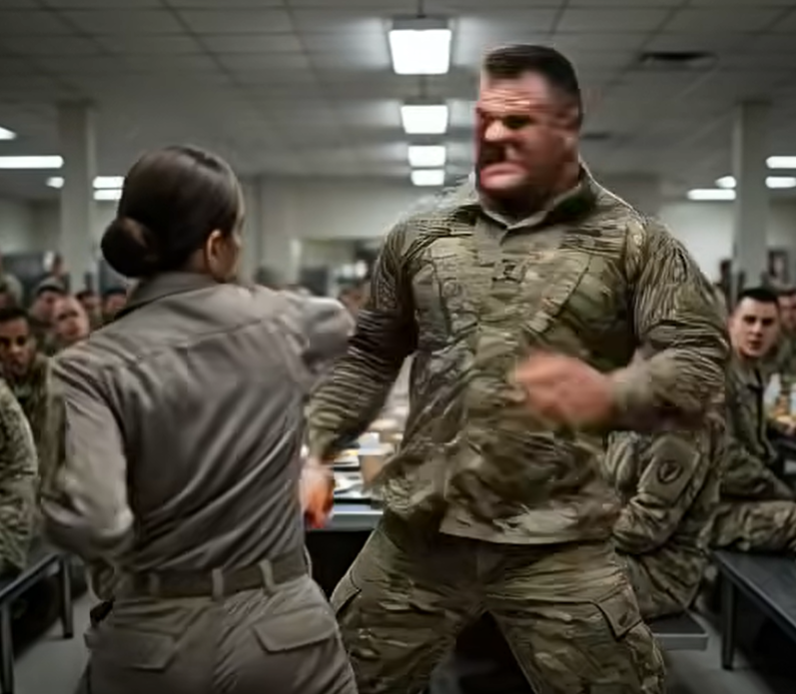
“Die, B*tch,” He Spat, Swinging a Massive Fist in the Mess Hall. He Thought I Was an Easy Target — He Had No Idea He Just Attacked a Classified SEAL Shadow Operative.
I was running on fumes. Seventy-two hours of off-the-books reconnaissance in the frozen Alaskan wilderness had left every muscle screaming. My joints ached from crawling through ice-crusted snow, my eyes burned from staring through night-vision gear, and the only thing keeping me upright was the promise of a hot meal and twelve hours of blackout […]
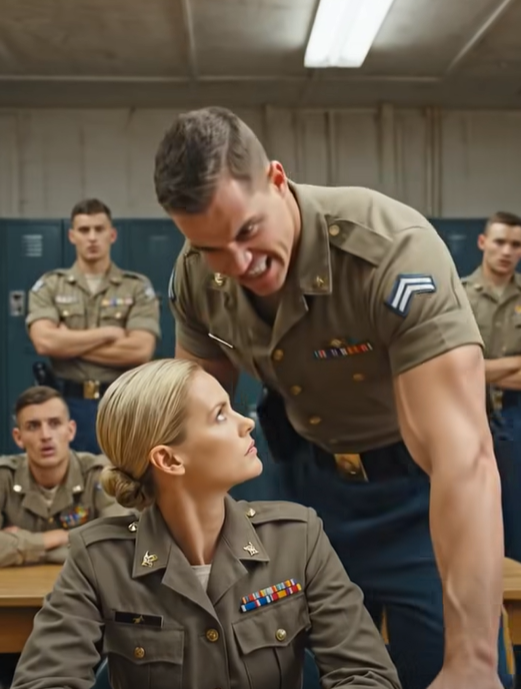
“Do You Know Who I Am?” He Pushed Her — Seconds Later, One ID Card Ended His Career
The dim lights of Rusty’s Bar flickered like dying stars just outside Camp Pendleton. It was a Friday night, the kind where Marines came to forget the sand and the screams they carried home from deployment. I had come here for the opposite reason — to disappear. My name is Commander Thalia Renwick. Highly decorated […]
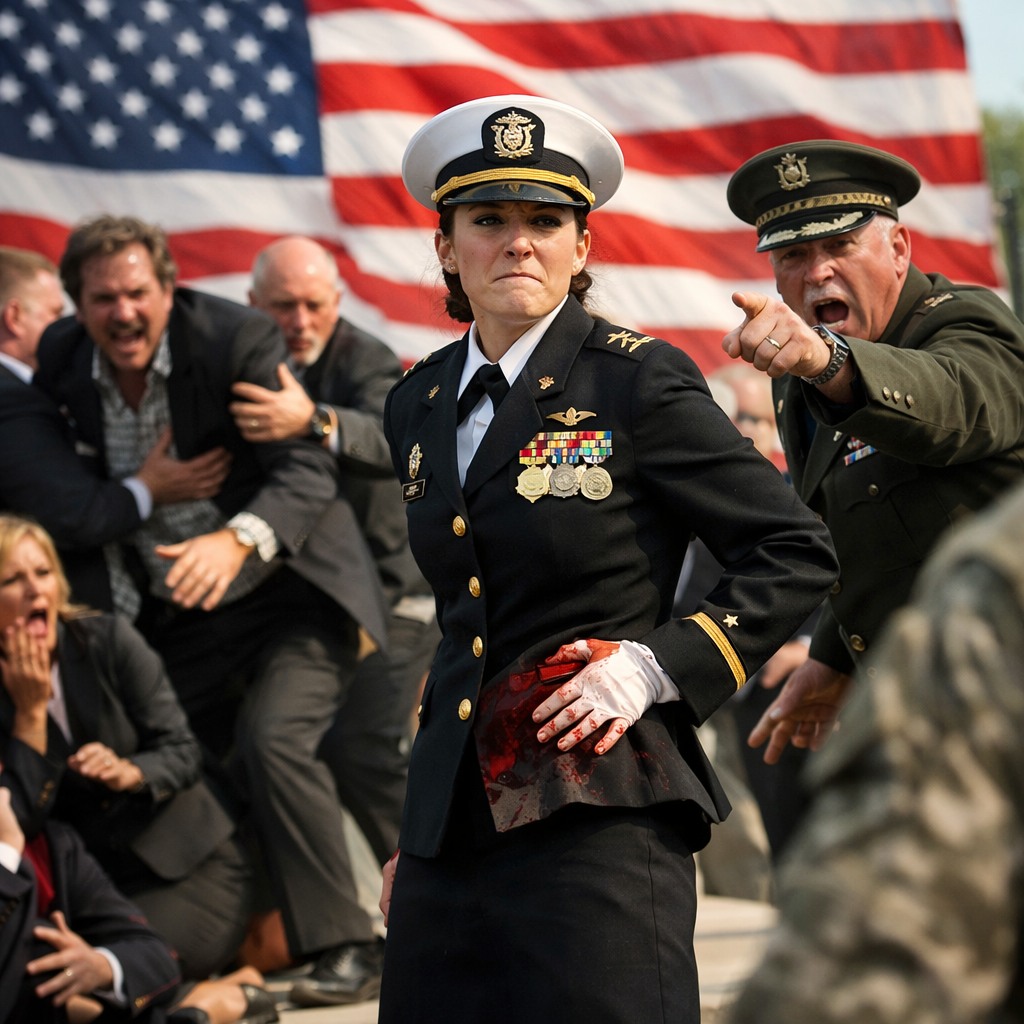
15 Years After My Dad Kicked Me Out, I Saw Him At My Sister’s Wedding. He Sneered: “If It Wasn’t For Pity, No One Would’ve Invited You.” I Just Smiled And Sipped My Wine. Then The Bride Took The Mic And Changed Everything.
The South Carolina sun was merciless that June afternoon, turning the outdoor wedding venue into a glittering oven. I stood near the back in my crisp Army dress uniform, the brass buttons and medals catching the light with every breath. At 34 years old, I had come home for my little sister’s wedding — the […]
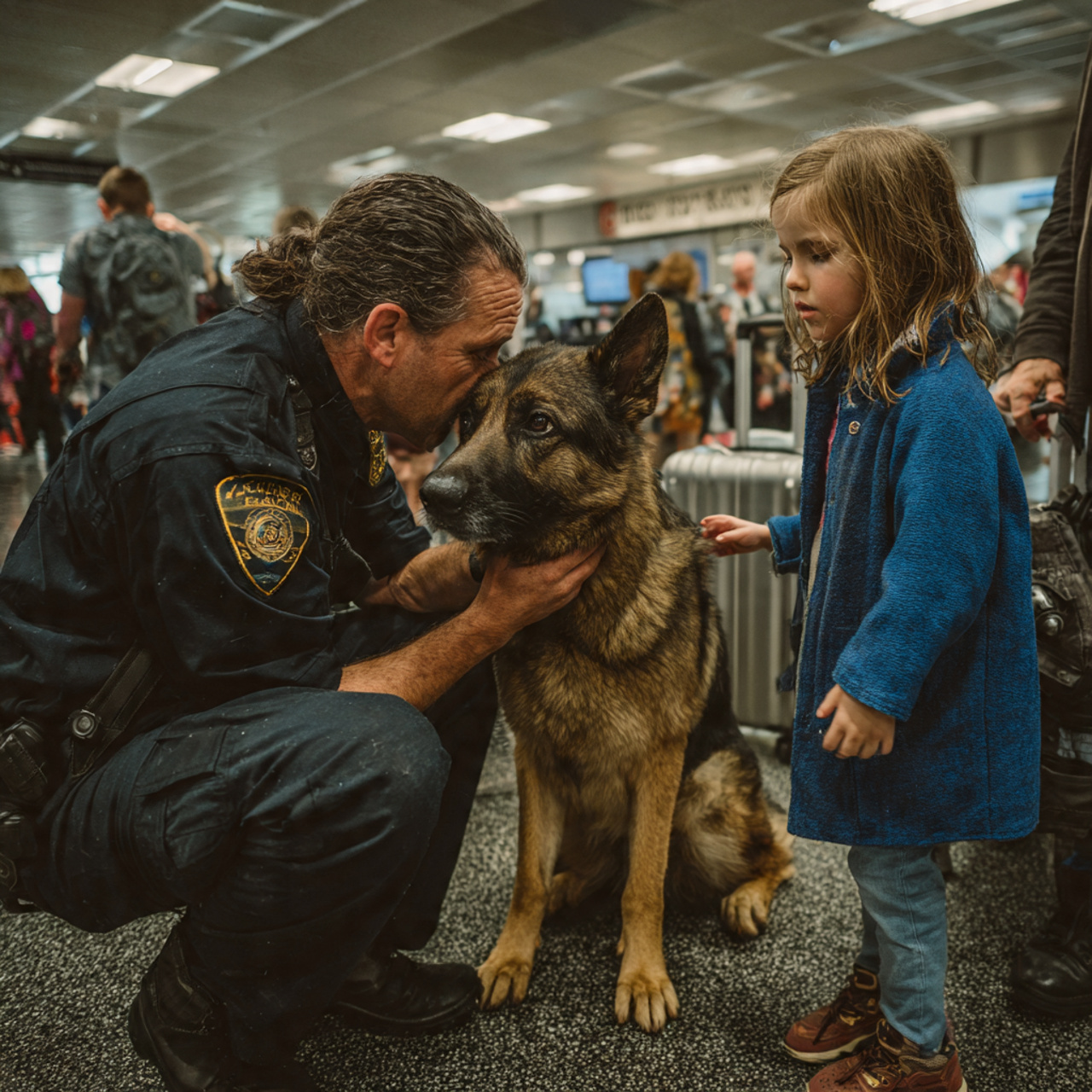
“A POLICE DOG FROZE IN THE AIRPORT. THEN A LITTLE GIRL TAPPED HIS HEAD. WHAT HAPPENED NEXT MADE EVERY TRAVELER STOP. HAVE YOU EVER WITNESSED A SILENT CRY FOR HELP?
The bustling international airport was a whirlwind of rolling suitcases, hurried announcements, and weary travelers rushing to their gates. Officer Liam Mercer patrolled the terminal with his loyal K9 partner, Rex — a highly trained German Shepherd known for his sharp instincts in detection and child safety operations. Everything seemed routine until Rex suddenly froze […]
End of content
No more pages to load