Princess Diana’s former bodyguard, Ken Wharfe, has delivered a scathing assessment of Prince Andrew, describing him as “one of the most arrogant individuals I’ve ever had the misfortune of meeting.” The remarks, made in recent interviews amid ongoing scrutiny of Andrew’s past associations and behavior, come from Wharfe, an SAS-trained Scotland Yard inspector who served as Princess Diana’s personal protection officer from 1988 to 1993. During his tenure, Wharfe not only guarded Diana and her sons but also interacted with other members of the royal family, including Andrew, providing him with firsthand insight into the former duke’s demeanor.
Wharfe’s comments emerged in the context of renewed public and media focus on Andrew, particularly following his arrest on February 19, 2026, in connection with an inquiry into public office misconduct and related matters. The disgraced royal, stripped of his titles and military affiliations in previous years, has faced persistent allegations tied to his friendship with convicted sex offender Jeffrey Epstein. Wharfe labeled these Epstein connections as “excruciatingly toxic,” suggesting they have irreparably damaged Andrew’s reputation and hinting that further revelations could surface in time.
The former bodyguard’s blunt characterization of Andrew as exceptionally arrogant stems from direct observations during his royal protection duties. Wharfe recalled Andrew’s attitude toward staff and those he deemed beneath his status as aloof, dismissive, and entitled. He described a pattern of behavior where Andrew treated police officers, protection personnel, and other public servants with disdain, viewing them as inferior. This sense of superiority, according to Wharfe, was not subtle—it was overt and consistent, making interactions uncomfortable and memorable for the wrong reasons.

Wharfe’s tenure with Diana placed him in close proximity to the royal inner circle during a turbulent period in the monarchy’s history. He witnessed the dynamics between family members, including the contrast between Diana’s approachable and empathetic style and Andrew’s more imperious one. Unlike Diana, who built rapport with security teams through genuine warmth and respect, Andrew reportedly demanded deference without reciprocating courtesy. Wharfe has previously shared anecdotes illustrating this, such as instances where Andrew expected royal protection officers to accommodate his whims, including preferential treatment or sarcastic exchanges that bordered on rudeness.
These observations align with broader accounts from other former royal staff and insiders. Multiple protection officers and palace employees have described Andrew as rude, entitled, and prone to bullying behavior toward those in service roles. One recurring theme is his insistence on formal titles and privileges even in casual settings, coupled with a lack of appreciation for the professionalism of those safeguarding him. Wharfe’s statement stands out for its directness, framing Andrew not just as difficult but as one of the most arrogant people he encountered in a career that involved high-profile security operations.
The context of Wharfe’s comments is significant. As a long-serving officer who authored books and participated in documentaries about his time with Diana, Wharfe has maintained a reputation for candid, no-nonsense commentary on royal affairs. His decision to speak out now, amid Andrew’s legal troubles, reflects a growing willingness among former insiders to address long-held views publicly. He emphasized that Andrew’s arrogance was “just in his nature,” suggesting it was an ingrained trait rather than situational.
This portrayal adds to the narrative of Andrew’s fall from grace. Once celebrated as a Falklands War hero and a charismatic royal, his reputation has been overshadowed by scandals, including the Epstein friendship, settled civil lawsuits, and public relations disasters like his 2019 BBC interview. Wharfe’s description of the Epstein links as “excruciatingly toxic” echoes widespread sentiment that Andrew’s choices have tainted not only his personal standing but the monarchy’s image.
The royal family’s handling of Andrew has been fraught, with King Charles reportedly imposing restrictions on his brother’s activities and public appearances. Andrew’s retreat to properties like Wood Farm on the Sandringham estate, coupled with reports of limited staff and chaperoned movements, underscores his diminished status. Wharfe’s remarks may fuel further debate about accountability, privilege, and the culture within royal circles that allowed such attitudes to persist.
For many observers, Wharfe’s words resonate because they come from someone who experienced the royals up close during one of the most scrutinized eras in modern British history. His service to Diana, marked by loyalty and professionalism, lends credibility to his critique. By calling Andrew one of the most arrogant individuals he’s met, Wharfe highlights a perceived disconnect between royal entitlement and the humility expected in public life.
As investigations and public discourse continue, comments like these contribute to a fuller picture of Andrew’s character and conduct over the years. They serve as a reminder that behind the titles and pageantry, personal interactions often reveal more about individuals than official portraits ever could. In an institution built on tradition and restraint, Wharfe’s frank assessment stands as a stark counterpoint to the polished facade.
News
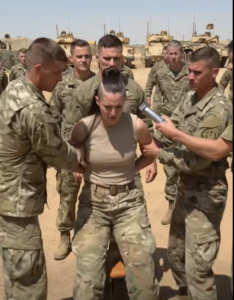
“Shave Her Head,” the Sergeant Ordered Coldly. “If Discipline Won’t Break Her, Maybe Humiliation Will.” But What They Didn’t Know Was That the Woman They Underestimated Would Bring Their Entire Base to Its Knees.
General Alexander Vance had heard the whispers for months: Fort Blackwood was rotting from within. Soldiers spoke in hushed tones of systematic humiliation disguised as “discipline,” falsified training records, missing supply funds that somehow vanished into private accounts, and a toxic command climate built on fear and intimidation. Every official inspection came back sparkling clean […]
At A Veterans’ Dinner, The Colonel Leaned Toward My Brother And Asked One Simple Question: “Can You Tell Me How You Earned This Decoration, Son?” His Face Turned White. He Pointed At My Father And Said: “He Told Me It Belonged To Our Uncle.” The Uncle Never Existed.
The Ridgewood Armory smelled like every other veterans’ event I’d ever attended: floor wax, overcooked chicken, old coffee, and the faint metallic tang of too many American flags. Fluorescent lights buzzed overhead, casting a harsh glow on rows of folding tables and men in ill-fitting blazers trying to look like they still belonged in uniform. […]
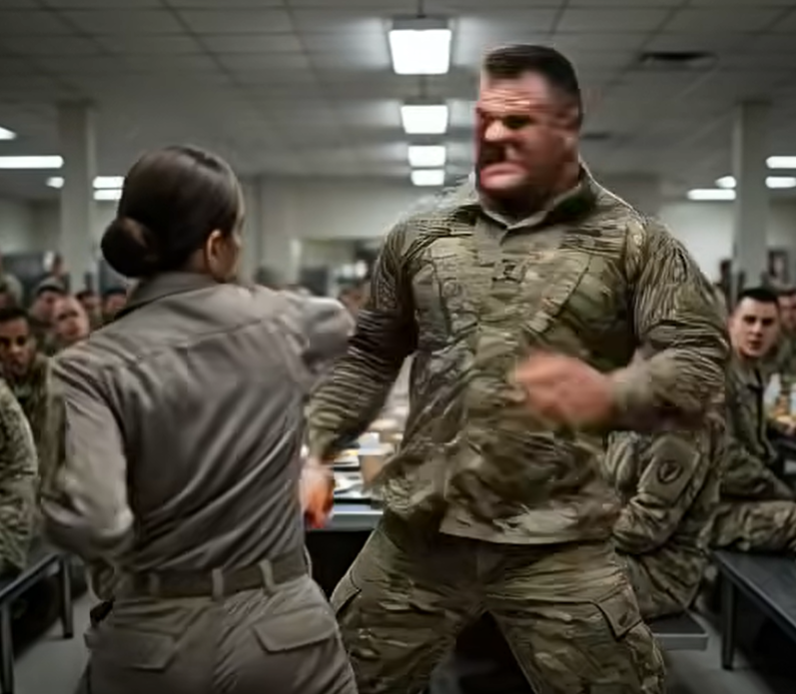
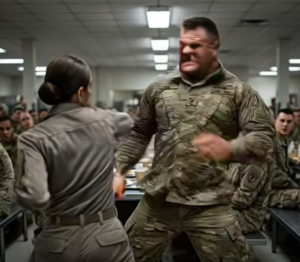
“Die, B*tch,” He Spat, Swinging a Massive Fist in the Mess Hall. He Thought I Was an Easy Target — He Had No Idea He Just Attacked a Classified SEAL Shadow Operative.
I was running on fumes. Seventy-two hours of off-the-books reconnaissance in the frozen Alaskan wilderness had left every muscle screaming. My joints ached from crawling through ice-crusted snow, my eyes burned from staring through night-vision gear, and the only thing keeping me upright was the promise of a hot meal and twelve hours of blackout […]
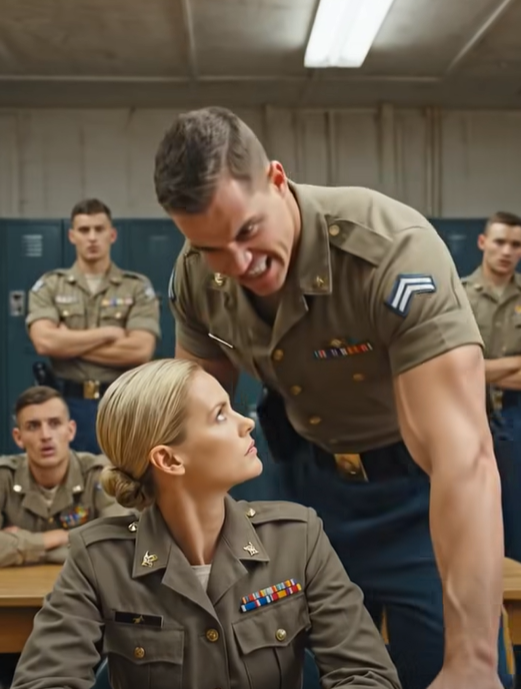
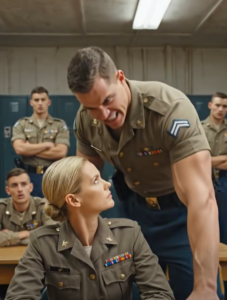
“Do You Know Who I Am?” He Pushed Her — Seconds Later, One ID Card Ended His Career
The dim lights of Rusty’s Bar flickered like dying stars just outside Camp Pendleton. It was a Friday night, the kind where Marines came to forget the sand and the screams they carried home from deployment. I had come here for the opposite reason — to disappear. My name is Commander Thalia Renwick. Highly decorated […]
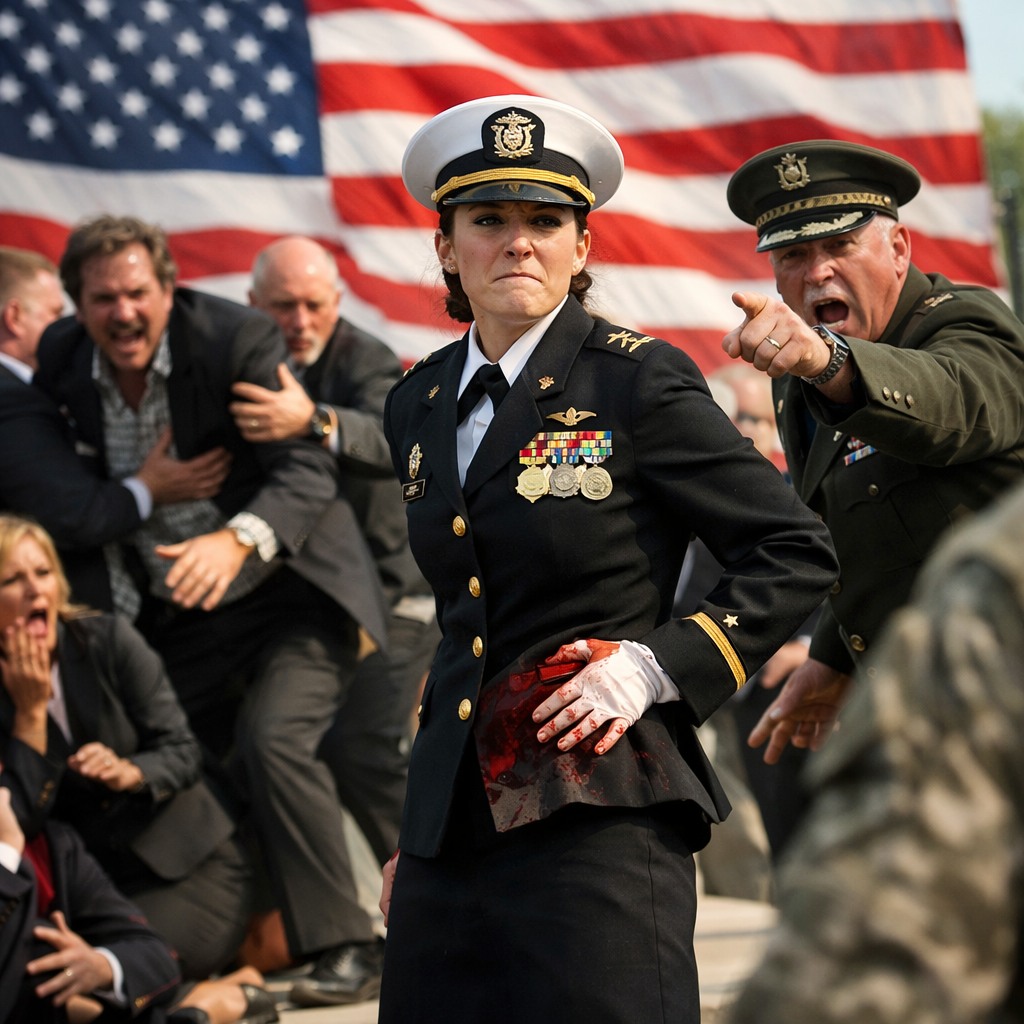
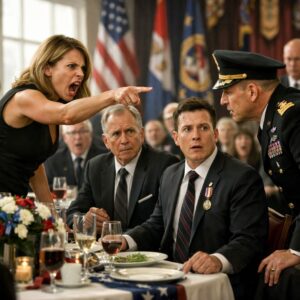
15 Years After My Dad Kicked Me Out, I Saw Him At My Sister’s Wedding. He Sneered: “If It Wasn’t For Pity, No One Would’ve Invited You.” I Just Smiled And Sipped My Wine. Then The Bride Took The Mic And Changed Everything.
The South Carolina sun was merciless that June afternoon, turning the outdoor wedding venue into a glittering oven. I stood near the back in my crisp Army dress uniform, the brass buttons and medals catching the light with every breath. At 34 years old, I had come home for my little sister’s wedding — the […]
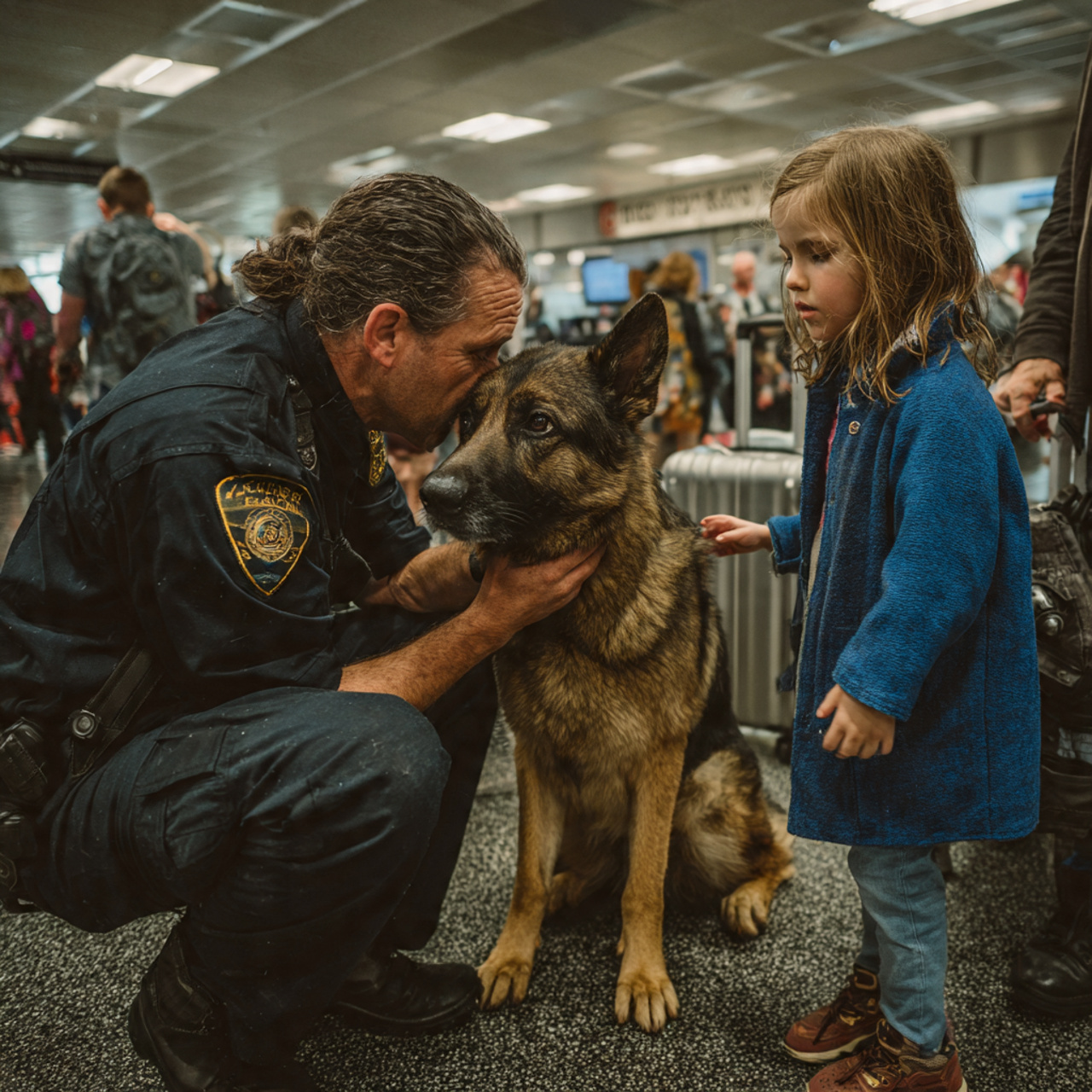
“A POLICE DOG FROZE IN THE AIRPORT. THEN A LITTLE GIRL TAPPED HIS HEAD. WHAT HAPPENED NEXT MADE EVERY TRAVELER STOP. HAVE YOU EVER WITNESSED A SILENT CRY FOR HELP?
The bustling international airport was a whirlwind of rolling suitcases, hurried announcements, and weary travelers rushing to their gates. Officer Liam Mercer patrolled the terminal with his loyal K9 partner, Rex — a highly trained German Shepherd known for his sharp instincts in detection and child safety operations. Everything seemed routine until Rex suddenly froze […]
End of content
No more pages to load