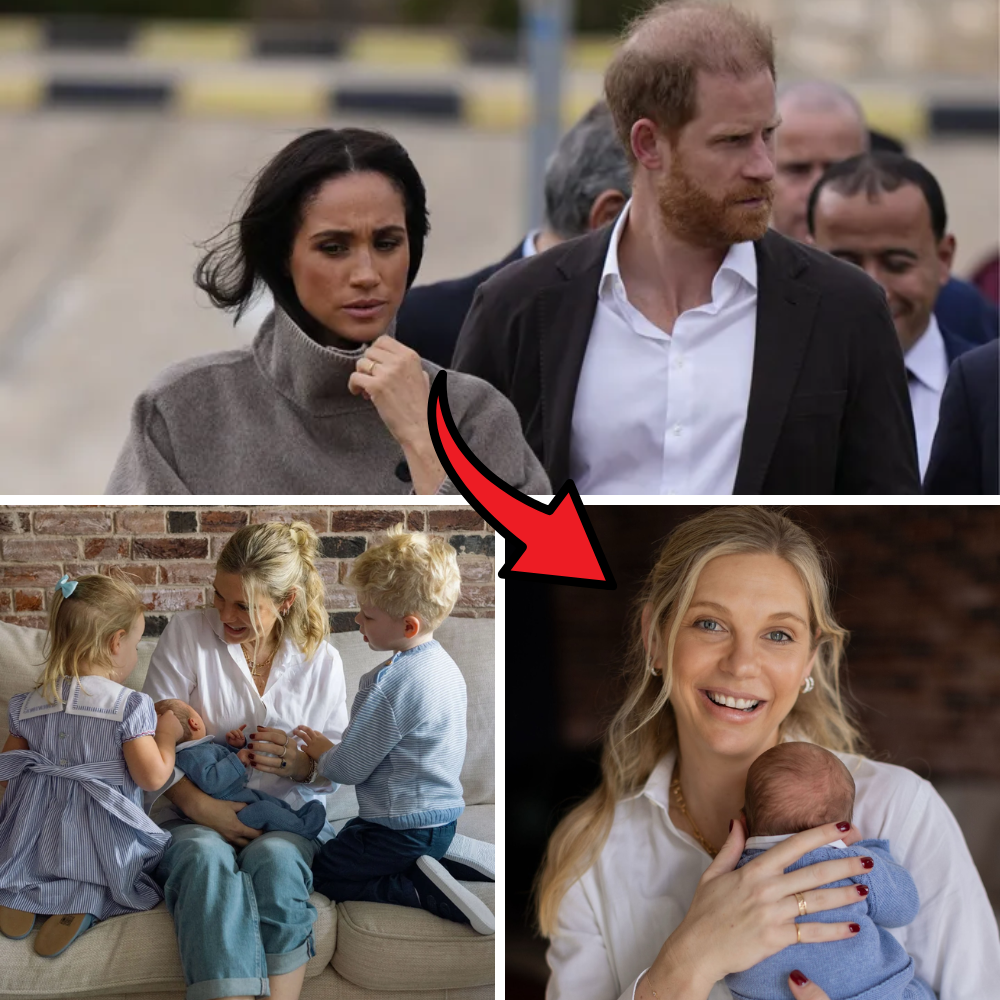
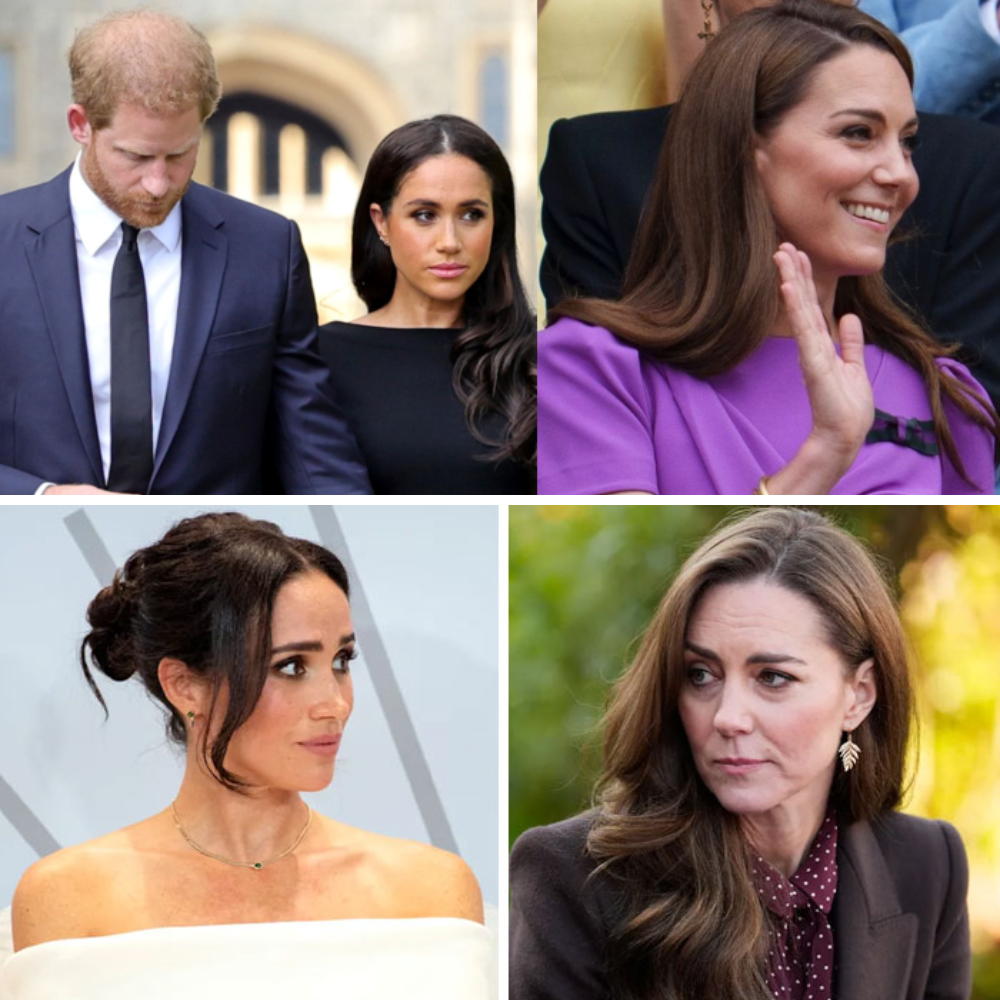
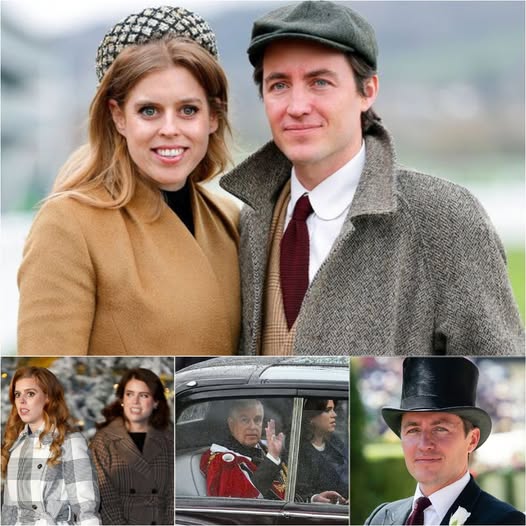
A subtle but potentially transformative shift is unfolding behind the scenes of the British monarchy, as Prince William is said to be preparing to “open doors” for his wife Catherine’s family—the Middletons—in ways that could bring them closer than ever to the core of royal life. Multiple reports from early 2026, including a Channel 5 documentary and commentary in outlets like the Daily Mail, The News International, and royal-focused publications, suggest the Prince of Wales intends to acknowledge the pivotal, stabilizing role Carole and Michael Middleton have played in supporting Catherine through her public duties, health challenges, and family life amid intense scrutiny.
For years, the Middletons have maintained a careful balance: visible at key family events like Christmas at Sandringham, Trooping the Colour, and private gatherings, yet firmly outside formal royal status. Carole Middleton, 70, and Michael Middleton, 75, founders of Party Pieces (sold in 2023), have been described as a grounding force—offering normality, warmth, and unwavering support to their daughter and grandchildren. Royal insiders note that William deeply values this influence, viewing the Middletons as a counterbalance to the Yorks’ ongoing controversies and a source of “stability, decency, British values, and sense of humour” in turbulent times.
The phrase “open doors,” repeated across reports, is interpreted as signifying expanded access, greater ceremonial inclusion, and a more defined public role—without necessarily conferring formal titles or making them working royals. Speculation centers on possibilities such as increased invitations to state events, advisory input on family matters, or symbolic gestures of inclusion in the monarchy’s public-facing framework. Jack Royston, Newsweek’s chief royal correspondent, told a Channel 5 documentary that granting the Middletons a greater role could “completely rewrite the entire fabric of the monarchy,” opening the door for others to gain influence through behavior and loyalty rather than birthright alone.
The timing aligns with a period of visible transition for the monarchy. King Charles III, now in his third year on the throne, continues to streamline the institution—reducing the number of working royals, emphasizing efficiency, and navigating the aftermath of Prince Andrew’s legal and reputational issues. William, at 43, has emerged as a modernizing force, vocal about change while preserving tradition. His decision to prioritize family over duty during Catherine’s cancer treatment in 2024–2025 and his emphasis on a “part-time monarchy” in interviews underscore a vision where personal support systems matter.
Royal experts see the reported move as both overdue recognition and strategic positioning. Carole Middleton has been described as a “strong support” to William, acting almost as a “second mother” who offers guidance and normalcy. Michael Middleton, with his business background and quiet demeanor, provides a grounding influence. Their home at Bucklebury Manor in Berkshire has served as a retreat for the Wales family, especially during challenging periods. By “opening doors,” William may be signaling that merit, loyalty, and family stability can earn a place in the royal orbit—even for non-aristocratic in-laws.
This would mark a symbolic evolution. Historically, the British monarchy has kept in-laws at arm’s length from formal roles. Queen Elizabeth II’s approach was cautious; non-blood royals rarely received titles or high visibility. William’s rumored plans suggest a shift toward a more inclusive, family-centered institution—reflecting his own upbringing (he spent significant time with the Middletons during university and early adulthood) and a desire to protect the monarchy’s future by embracing reliable support networks.
Critics and observers debate the implications. Some view it as pragmatic modernization—rewarding those who contribute without drama—while others warn it risks diluting the monarchy’s mystique or appearing nepotistic. The Middletons have already faced scrutiny over their business dealings and perceived influence, but supporters argue their low-key, scandal-free presence offers exactly the stability the institution needs.
Buckingham Palace has not confirmed any structural changes or formal announcements. Royal sources stress that any elevation would likely be gradual and ceremonial rather than granting working royal status. William’s growing influence—evident in his handling of staff changes, environmental initiatives, and family priorities—suggests he is shaping the monarchy’s future framework with deliberate steps.
Whether this signals a quiet modernization or simply a gesture of gratitude, the discussion alone underscores William’s determination to redefine the Crown for a new era. The Middleton family’s position within the royal orbit may be entering a bold new chapter—one that could redefine how loyalty and support are recognized in the 21st-century monarchy.
News
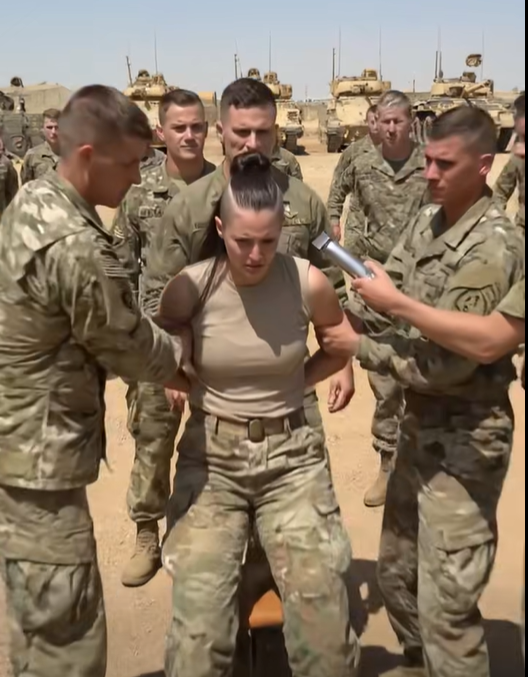
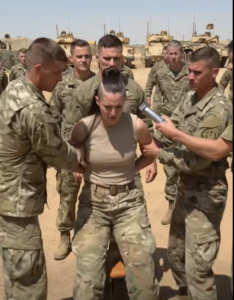
“Shave Her Head,” the Sergeant Ordered Coldly. “If Discipline Won’t Break Her, Maybe Humiliation Will.” But What They Didn’t Know Was That the Woman They Underestimated Would Bring Their Entire Base to Its Knees.
General Alexander Vance had heard the whispers for months: Fort Blackwood was rotting from within. Soldiers spoke in hushed tones of systematic humiliation disguised as “discipline,” falsified training records, missing supply funds that somehow vanished into private accounts, and a toxic command climate built on fear and intimidation. Every official inspection came back sparkling clean […]
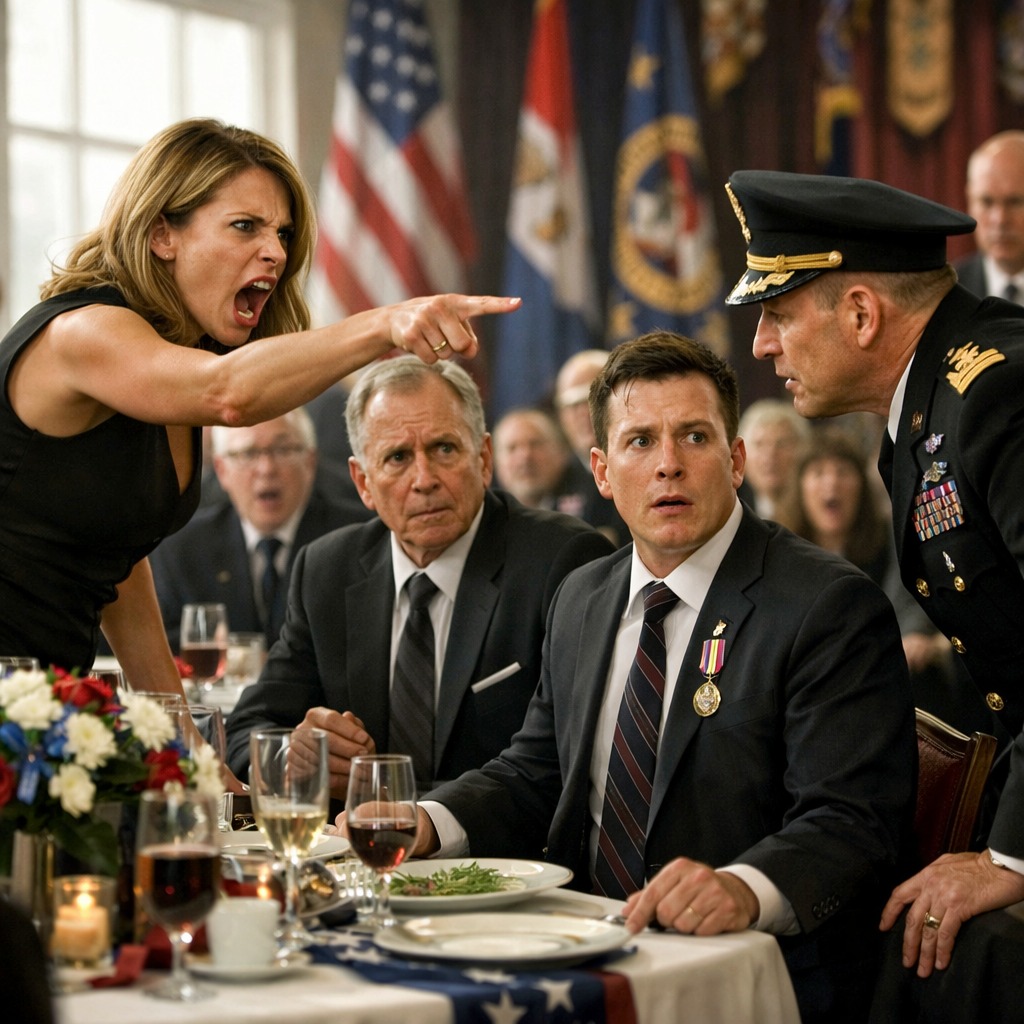
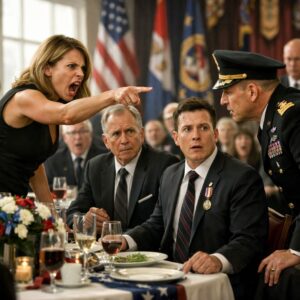
At A Veterans’ Dinner, The Colonel Leaned Toward My Brother And Asked One Simple Question: “Can You Tell Me How You Earned This Decoration, Son?” His Face Turned White. He Pointed At My Father And Said: “He Told Me It Belonged To Our Uncle.” The Uncle Never Existed.
The Ridgewood Armory smelled like every other veterans’ event I’d ever attended: floor wax, overcooked chicken, old coffee, and the faint metallic tang of too many American flags. Fluorescent lights buzzed overhead, casting a harsh glow on rows of folding tables and men in ill-fitting blazers trying to look like they still belonged in uniform. […]
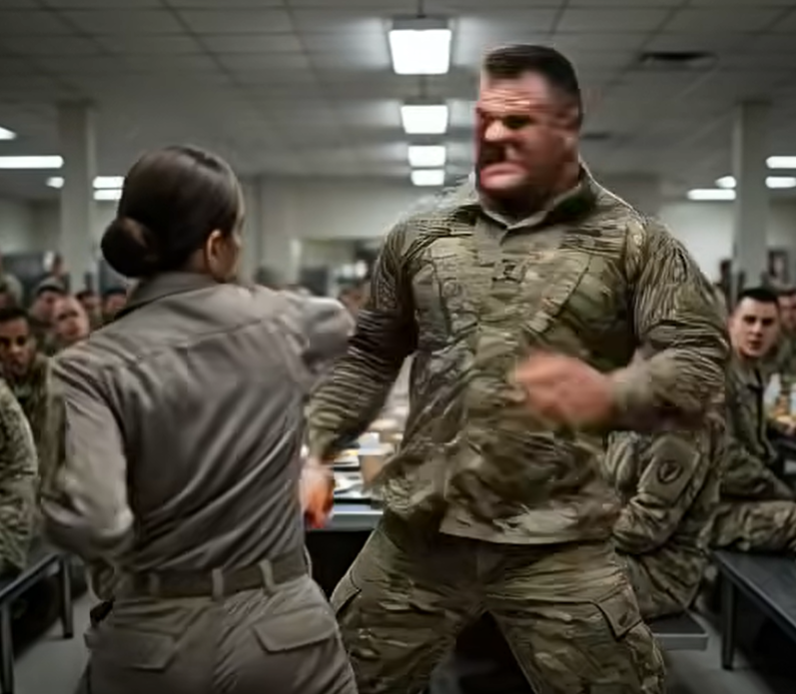
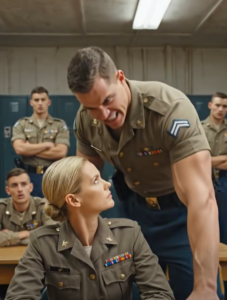
“Die, B*tch,” He Spat, Swinging a Massive Fist in the Mess Hall. He Thought I Was an Easy Target — He Had No Idea He Just Attacked a Classified SEAL Shadow Operative.
I was running on fumes. Seventy-two hours of off-the-books reconnaissance in the frozen Alaskan wilderness had left every muscle screaming. My joints ached from crawling through ice-crusted snow, my eyes burned from staring through night-vision gear, and the only thing keeping me upright was the promise of a hot meal and twelve hours of blackout […]
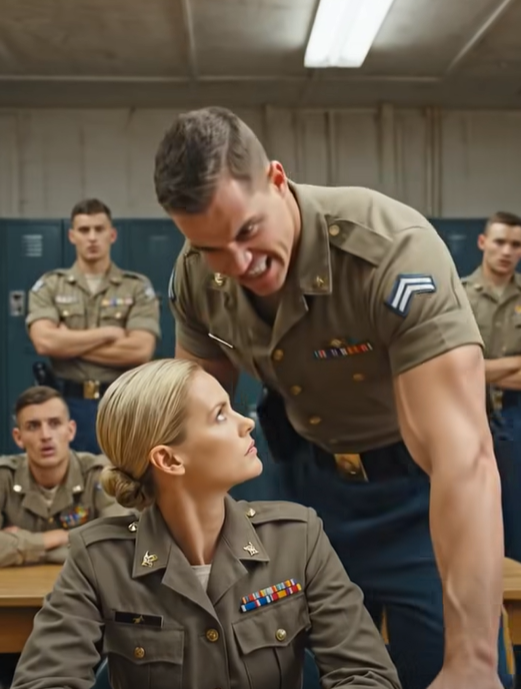
“Do You Know Who I Am?” He Pushed Her — Seconds Later, One ID Card Ended His Career
The dim lights of Rusty’s Bar flickered like dying stars just outside Camp Pendleton. It was a Friday night, the kind where Marines came to forget the sand and the screams they carried home from deployment. I had come here for the opposite reason — to disappear. My name is Commander Thalia Renwick. Highly decorated […]
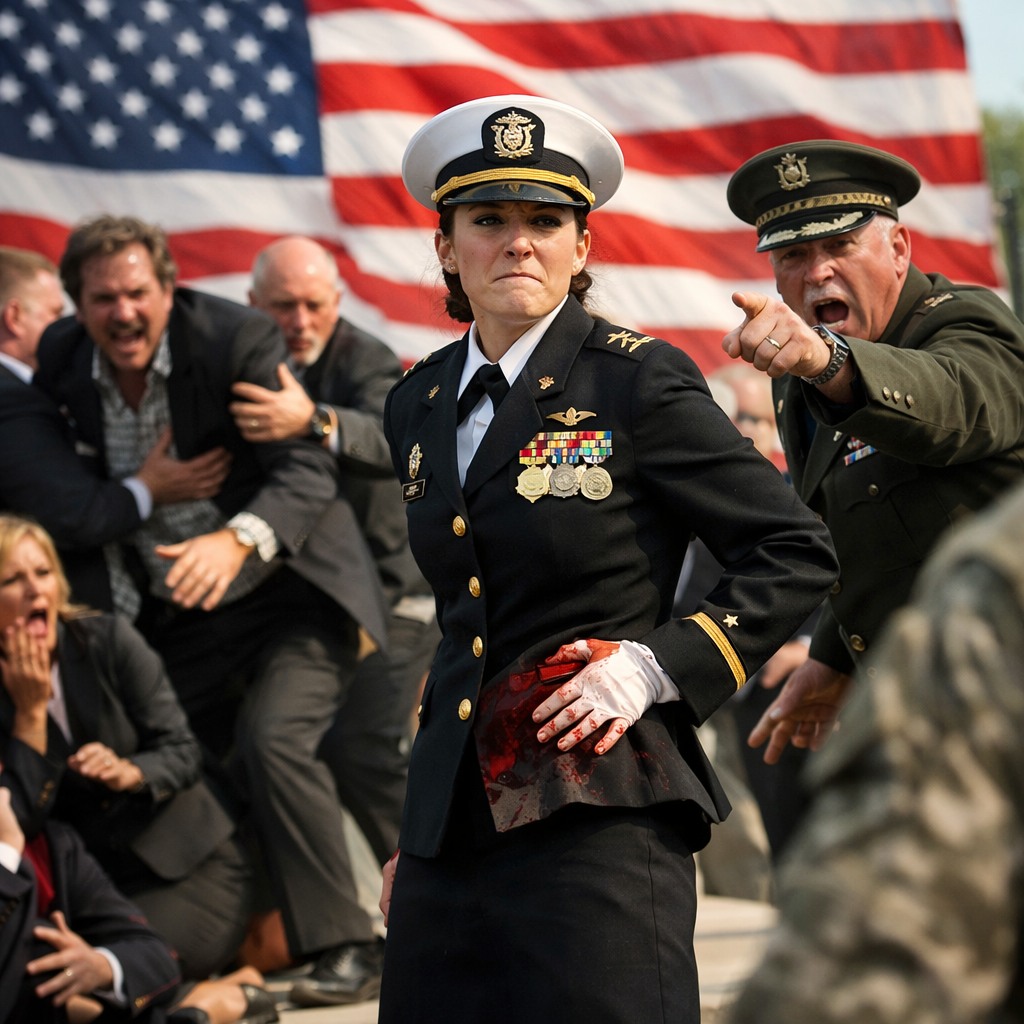
15 Years After My Dad Kicked Me Out, I Saw Him At My Sister’s Wedding. He Sneered: “If It Wasn’t For Pity, No One Would’ve Invited You.” I Just Smiled And Sipped My Wine. Then The Bride Took The Mic And Changed Everything.
The South Carolina sun was merciless that June afternoon, turning the outdoor wedding venue into a glittering oven. I stood near the back in my crisp Army dress uniform, the brass buttons and medals catching the light with every breath. At 34 years old, I had come home for my little sister’s wedding — the […]
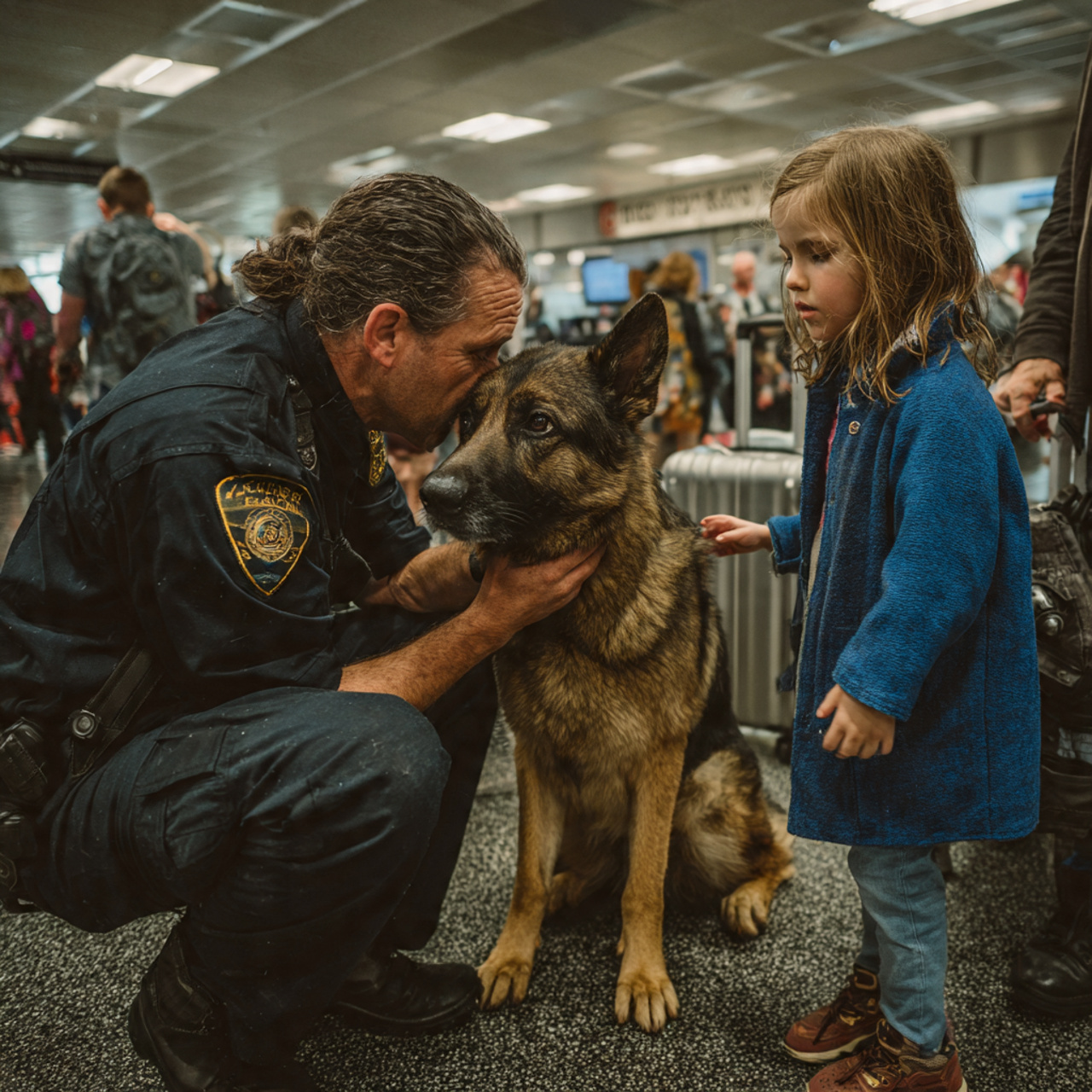
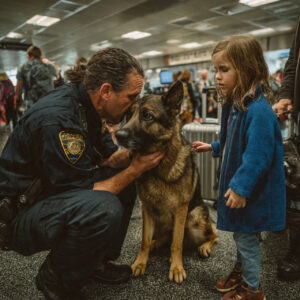
“A POLICE DOG FROZE IN THE AIRPORT. THEN A LITTLE GIRL TAPPED HIS HEAD. WHAT HAPPENED NEXT MADE EVERY TRAVELER STOP. HAVE YOU EVER WITNESSED A SILENT CRY FOR HELP?
The bustling international airport was a whirlwind of rolling suitcases, hurried announcements, and weary travelers rushing to their gates. Officer Liam Mercer patrolled the terminal with his loyal K9 partner, Rex — a highly trained German Shepherd known for his sharp instincts in detection and child safety operations. Everything seemed routine until Rex suddenly froze […]
End of content
No more pages to load