Clinging to Life: Ian Huntley’s Desperate Fight After Savage Prison Spike Assault Leaves Him with Just a 5% Survival Chance

The clang of metal on concrete echoed through the dimly lit recycling workshop at HMP Frankland, a fortress of despair in County Durham where Britain’s most notorious criminals rot away their days. It was just after 9 a.m. on February 25, 2026, when the mundane routine shattered into violence. Ian Huntley, the 52-year-old child killer infamous for the 2002 Soham murders, became the target of a brutal ambush. Wielding a three-foot spiked metal pole, his attacker—understood to be triple murderer and rapist Anthony Russell, 43—unleashed a frenzy of blows, striking at least six times. The first impact split Huntley’s head open like a melon, blood pooling on the floor as he crumpled, unconscious and unresponsive. Prison nurses and staff, rushing to the scene, believed he was already dead. Medics who arrived shortly after described his survival as nothing short of miraculous—but with only a 5% chance of pulling through, Huntley’s fate hangs by the thinnest thread, reigniting the nation’s revulsion and fascination with one of its most hated figures.
Air ambulance rotors whirred overhead as paramedics stabilized the battered inmate, but in a twist, Huntley was transported by road to a nearby hospital, where armed police now guard his ward like a high-security vault. Senior justice officials hover nearby, monitoring every breath. Placed in an induced coma to combat severe brain swelling and catastrophic injuries, Huntley fights for life against overwhelming odds. Sources close to the medical team whisper of the extraordinary efforts: “It is miraculous he is still alive. Medics have worked miracles on him and he has clung on. The prison nurses and staff who first saw him thought he was gone. And medics said there was only a five per cent chance of survival after an attack like that. It is still touch and go, and he could get worse.” This isn’t just another prison brawl; it’s the latest chapter in Huntley’s tormented existence behind bars, a place where his crimes have marked him as a perpetual target.

To grasp the depth of this moment, one must rewind to the summer of 2002, when innocence died in the quaint village of Soham, Cambridgeshire. Holly Wells and Jessica Chapman, both 10, were inseparable best friends, their lives full of schoolgirl dreams and Manchester United fandom. On August 4, clad in matching red football shirts, they left a family barbecue to buy sweets from a vending machine. They never returned. The nation mobilized: searches combed fields and ditches, posters blanketed the country, and even Prince Charles expressed condolences. But the predator was closer than anyone imagined—Ian Huntley, the 28-year-old caretaker at St. Andrew’s Primary School, where the girls attended.
Huntley lived on College Close with his girlfriend, Maxine Carr, a teaching assistant at the same school. He lured Holly and Jessica into his home under the pretense of friendliness. What happened next remains a stain on British history: He murdered them in cold blood. During his 2003 trial at the Old Bailey, Huntley spun a web of lies, claiming Holly had a nosebleed, fell into the bath, banged her head, and drowned accidentally. When Jessica screamed, he allegedly placed his hand over her mouth until she stopped breathing. The truth was far darker—he strangled Jessica and drowned Holly deliberately. He then dumped their bodies in a remote ditch near RAF Lakenheath, burning their clothes in a bin to cover his tracks.
Carr, complicit in the deception, provided a false alibi, insisting the girls had visited but left alive. Arrested on August 17 after 13 agonizing days, Huntley denied everything, forcing the victims’ families through a harrowing six-week trial. The jury convicted him of double murder, and Mr. Justice Moses sentenced him to two life terms with a minimum tariff of 40 years. “Your tears have never been for them,” the judge thundered, “only for yourself.” Carr served 21 months for perverting the course of justice and now lives under a new identity, having remarried and started a family at age 49.
The Soham murders shocked the world, exposing glaring failures in child protection. Huntley had a history of sexual misconduct allegations, including indecent assault and underage relationships, yet slipped through vetting cracks to work at a school. The Bichard Inquiry led to sweeping reforms, including the creation of the Independent Safeguarding Authority. But for the families—Kevin and Nicola Wells, Leslie and Sharon Chapman—the pain endures. Memorials in Soham stand as eternal tributes, their daughters’ faces forever etched in public memory.
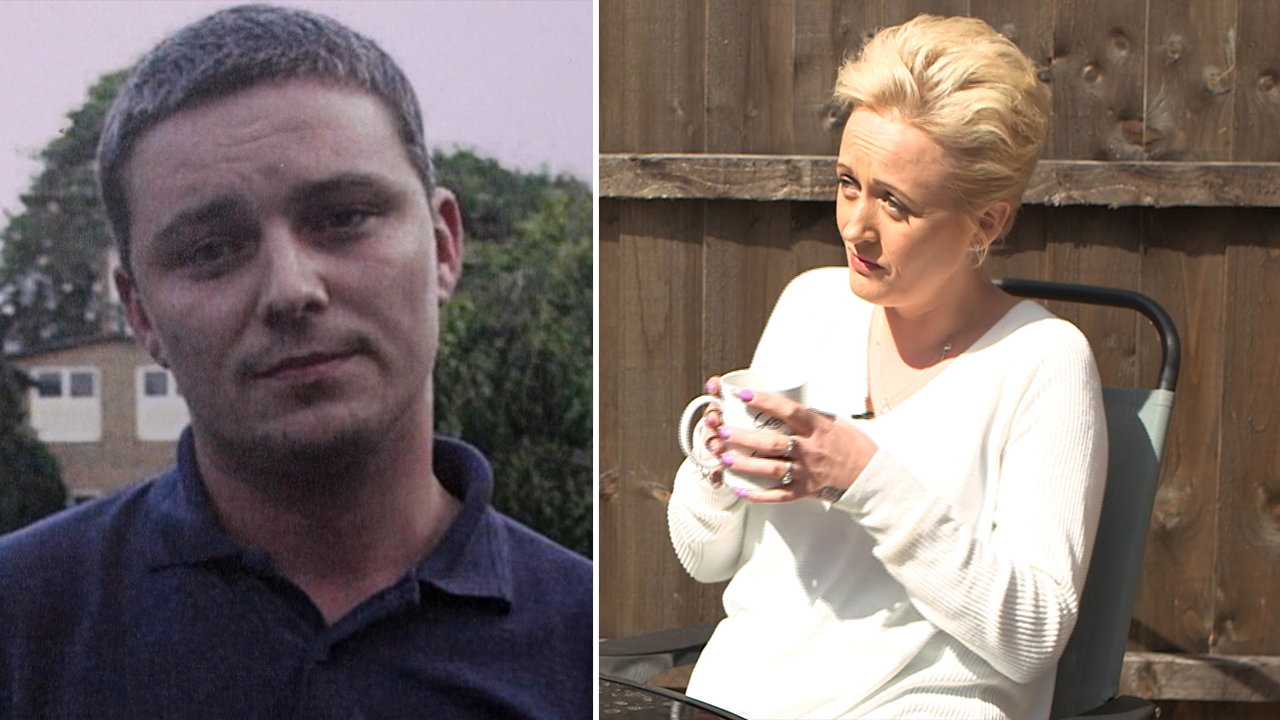
Huntley’s prison journey has been a saga of torment, self-inflicted and otherwise. Starting at HMP Woodhill in Milton Keynes, he attempted suicide in June 2003, overdosing on pills and slipping into a coma. Transferred to Wakefield Prison—dubbed “Monster Mansion” for housing the likes of Harold Shipman and Peter Sutcliffe—he was scalded with boiling water in 2005 by another inmate. In September 2006, another overdose sent him to hospital. By 2008, he landed at HMP Frankland, a Category A facility teeming with lifers. There, in March 2010, serial killer Damien Fowkes slashed his throat with a makeshift blade, requiring 21 stitches and leaving a scar from jugular to windpipe. Huntley sued for £100,000 in compensation, but Justice Secretary Jack Straw dismissed it. Fowkes received an additional life sentence with a 20-year minimum.
The attacks didn’t stop. In 2012, Huntley was hospitalized after yet another suicide bid. In 2018, he claimed to overpower an assailant armed with a razor blade on a toothbrush. By 2019, solitary confinement followed an outburst at officers. Sources say Huntley has long been a marked man: “It was only a matter of time before he was targeted again.” His notoriety ensures constant vigilance—and taxpayer-funded protection costing millions.
Enter Anthony Russell, the alleged perpetrator. A 43-year-old triple killer from Coventry, Russell’s 2020 rampage began with stabbing his ex-partner’s mother, Julie Williams, 58, to death in her home. Days later, he strangled her son David Williams, 32, and dumped his body in a woodland. His final victim, Nicole McGregor, 26, was five months pregnant. Russell raped her hours after she showed him her baby scan, then murdered her and hid her body near Leamington Spa. Sentenced to a whole-life order in 2021, Russell embodies the volatile mix of rage and depravity that simmers in places like Frankland.
The workshop attack reportedly stemmed from a brewing argument, escalating to lethal force. Huntley, working there as part of his routine, had no chance. “He was totally unresponsive and could not breathe,” a source recounted. The spiked pole, fashioned from workshop materials, underscores security lapses in even the most fortified prisons.
Public reaction has been a storm of schadenfreude and debate. Social media erupts with comments like “karma at work” and “good riddance,” reflecting the deep-seated hatred for Huntley. Yet others question the humanity of prison vigilantism: Should the state protect even its worst offenders? The cost—medical bills, guards, investigations—fuels outrage. If Huntley dies, flags might “fly high” in some quarters, but for victims’ families, closure remains elusive.
This incident spotlights Britain’s prison crisis: Overcrowding, violence, and the ethical quagmire of housing irredeemable criminals. Frankland, home to Charles Bronson and Levi Bellfield, sees frequent assaults. Experts argue for better segregation, but resources strain.
As March 1, 2026, dawns, Huntley’s ventilator hums on. His 5% chance is a grim lottery. Will he defy death again, like a “cockroach,” as one source quipped? Or will this be the end? The nation watches, breaths held, pondering justice’s twisted paths.
Questions linger: What sparked Russell’s fury? How did a weapon materialize? And for Huntley, if he wakes, what hell awaits?
Expanding, consider psychological profiles. Criminologists note killers like Huntley often manipulate, but prison breaks them. His suicides suggest remorse—or cowardice.
Comparisons: Peter Sutcliffe’s attacks in prison mirror this. Victims’ families endure renewed trauma with each headline.
Soham’s legacy: Safer schools, but scars remain. Holly and Jessica’s memorials inspire vigilance.
In this saga, Huntley’s fight symbolizes evil’s tenacity. Yet, with 5% odds, perhaps fate intervenes where justice couldn’t.
News
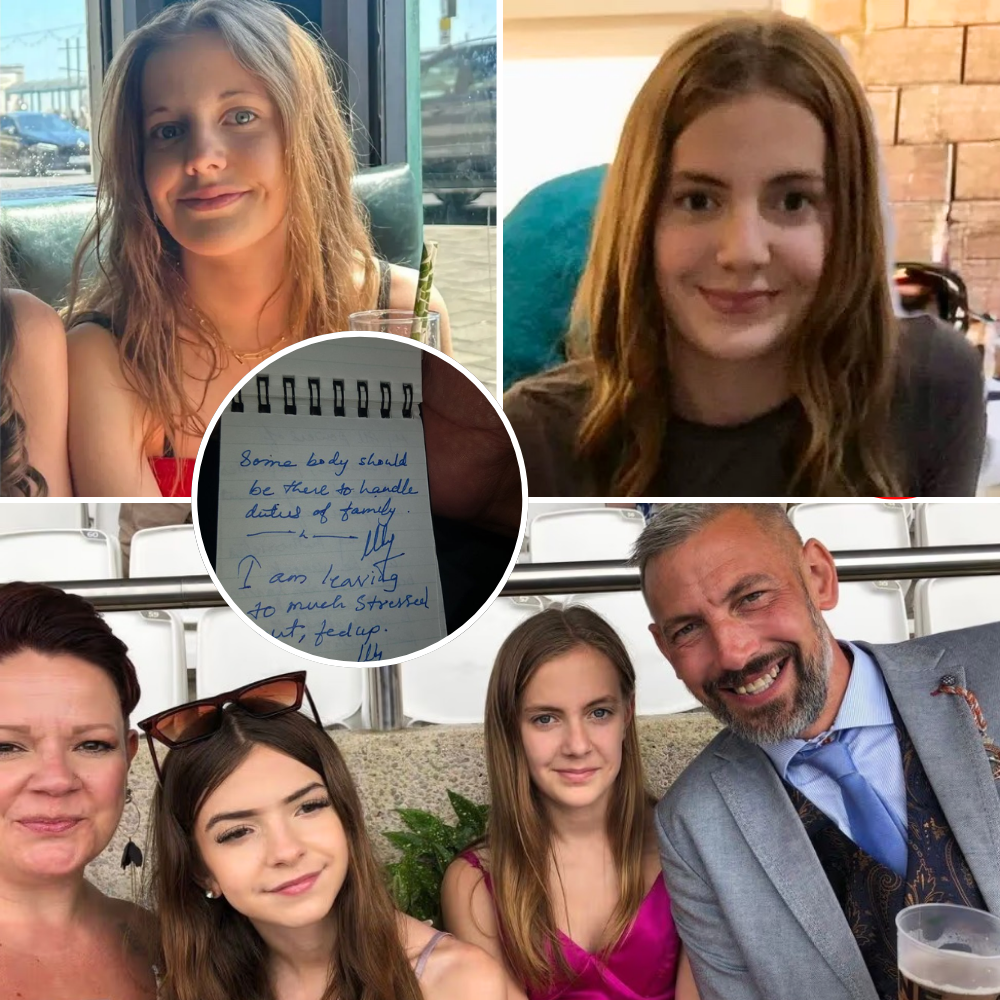
Mum Went to Wake Her 12-Year-Old for School… Instead Found Amelia Dead After Relentless Snapchat Torment 😭 Last Night She Was Happy & Laughing – The Devastating Details Inside
A cheerful 12-year-old girl with a smile that warmed every room spent her final evening wrapped in the simple joys of family life, laughing freely while sharing fish and chips at her grandparents’ house. No one could have predicted that the next morning would bring the kind of silence no parent should ever endure. On […]

👀 American Idol Judges Stunned by Braden Rumfelt’s Voice After Two Major Surgeries Destroyed His Baseball Career — His Comeback Story Is Unbelievable! 😱
The spotlights in the American Idol audition room pulsed with that familiar electric hum as 22-year-old Braden Rumfelt stepped forward, guitar slung over his shoulder, his twin brother Kellen right beside him with fingers poised on the strings. Murphy, North Carolina, felt a world away in that moment—the small-town life of substitute teaching, quiet family […]

😲 She Wrote “String Cheese” While Battling Postpartum Depression… Now Hannah Harper Is Stealing American Idol! Her Incredible Journey Will Inspire You ❤️
The Hawaiian stage lights bathed the Aulani Resort in a golden glow as 25-year-old Hannah Harper, a stay-at-home mom from the tiny town of Bunker, Missouri, gripped the microphone with the same quiet determination she once used to wrangle three rambunctious boys through a long day of laundry and snacks. Her homemade patchwork dress shimmered […]

😱 American Idol Top 20 Poll SHOCK: Hannah Harper & Keyla Richardson Dominate… But Who’s Going HOME Next? 😭 Who’s in Danger?
Hawaii’s sun-drenched shores at Disney’s Aulani Resort became the unlikely battlefield where American Idol Season 24’s Top 20 delivered heart-stopping performances that have left fans divided, judges stunned, and Gold Derby readers casting their clearest verdict yet on who might not survive America’s vote. With the first live results episode looming on March 30, the […]
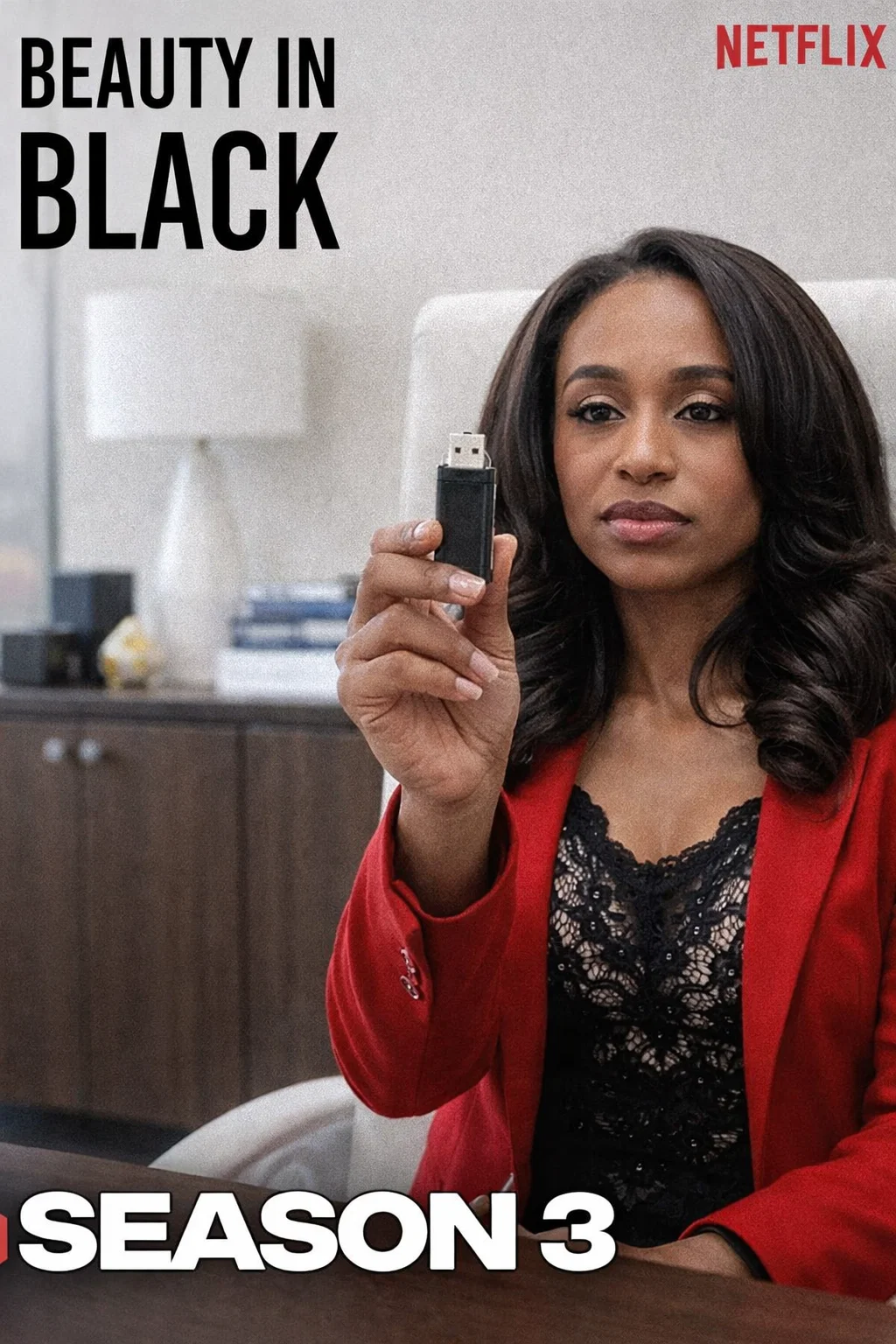
😱💔 Kimmie Standing On The Rooftop With That USB Drive Has Fans Terrified — Is She About To Destroy The Entire Bellarie Empire? 👀
The first explosive trailer for Beauty in Black Season 2 Part 2 is here — and everything shifts fast. The new footage shows Kimmie stepping fully into her power with zero hesitation, but one bold move has fans in total shock. Is she protecting herself… or setting something much bigger in motion? The stakes feel […]

💥 “Is The Baby Okay?” — Virgin River Season 7 Finale Left One Devastating Clue About Mel & Jack’s Child That Changes Everything 😭
Netflix just dropped the news everyone has been waiting for: Virgin River is officially returning for Season 7 — and fans are already bracing for another emotional chapter. The release date and exact drop time are now confirmed, meaning the next wave of romance, heartbreak, and small-town secrets is closer than expected. But one storyline […]
End of content
No more pages to load