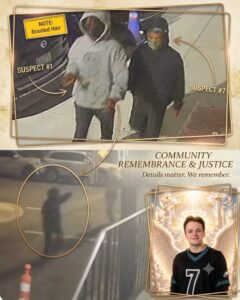
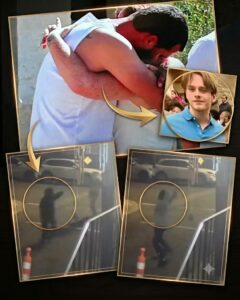
The quiet suburb of Reseda, nestled in Los Angeles’ San Fernando Valley, has been thrust into a storm of grief and outrage. On February 25, 2026, 12-year-old Khimberly Zavaleta succumbed to a severe brain injury at a local hospital, days after an altercation at Reseda High School where she was allegedly struck in the head with a water bottle. What began as a schoolyard dispute has escalated into a full-blown homicide investigation by the Los Angeles Police Department (LAPD), leaving a family shattered, a community mobilized, and pressing questions about school safety and bullying unanswered. As students protest and a GoFundMe swells with donations, this heartbreaking case exposes the hidden dangers lurking in classrooms and hallways, turning a young girl’s final days into a rallying cry for justice and reform. Dive into the details of this unfolding tragedy, where innocence collides with violence, and discover how one child’s story could change the landscape of student protection forever.
Khimberly Zavaleta was more than just a name in a news headline—she was a vibrant sixth-grader with a heart full of compassion and a spirit that lit up those around her. At 12 years old, she navigated the turbulent waters of middle school life with the kind of quiet resilience that endeared her to family, friends, and teachers alike. Born into a tight-knit family in Reseda, Khimberly was known for her protective nature, especially toward her younger siblings. Relatives described her as a girl who loved simple joys: family outings, school projects, and the everyday adventures of youth in a diverse, working-class neighborhood. Her smile, captured in a poignant photo shared on a GoFundMe page, radiates the innocence of childhood—a stark contrast to the horror that befell her.
The incident that forever altered Khimberly’s life occurred around mid-February 2026, though exact details remain guarded due to the involvement of juveniles. According to family accounts, the altercation unfolded at Reseda High School, a campus serving students from various grade levels in the Los Angeles Unified School District (LAUSD). Khimberly was reportedly hit in the head with a water bottle during a confrontation, an act that might seem minor in the heat of the moment but carried devastating consequences. Water bottles, especially metal ones popular among students for their durability, can become improvised weapons in moments of anger, delivering blunt force trauma with alarming ease. In Khimberly’s case, the impact allegedly triggered a cascade of neurological damage, leading to a brain injury that proved fatal.
Family members have been vocal about the sequence of events, painting a picture of a preventable tragedy. They claim the blow to her head set off symptoms that worsened over the following days: intense headaches, dizziness, and confusion—classic signs of a traumatic brain injury (TBI). By the time medical intervention was sought, the damage was severe. Khimberly was rushed to a hospital where doctors performed emergency procedures to alleviate swelling and address internal bleeding. Despite their efforts, she slipped into a coma, her young body fighting against odds that ultimately proved insurmountable. She passed away on Wednesday, February 25, 2026, surrounded by loved ones who had maintained a heartbreaking vigil at her bedside.
Elma Chuquipa, Khimberly’s mother, has emerged as a poignant voice amid the sorrow. In interviews with local media, she expressed a mix of grief and hope, drawing strength from the community’s support. “God is touching the heart of many people who are coming to ask for justice and to support me,” Chuquipa said. “I feel happy that at some point there will be justice.” Her words reflect the dual torment of losing a child while clinging to faith that accountability will follow. The family has emphasized that Khimberly’s involvement stemmed from her protective instincts, possibly defending a sibling or friend from bullying—a narrative that adds layers of heroism to her story.
The LAPD’s involvement escalated the case from a school incident to a potential crime scene. The department’s Robbery-Homicide Division, specifically the Valley Bureau Section, has taken the lead, classifying the investigation as a homicide probe. This designation indicates suspicions that foul play contributed to Khimberly’s death, though officials have been careful not to draw premature conclusions. In statements to the press, the LAPD has refrained from confirming a direct link between the school altercation and the fatal brain injury, citing the need for thorough forensic analysis. “The LAPD isn’t yet saying if the two incidents are related but they are investigating,” as reported in initial coverage. Due to the ages of those involved—all juveniles—the department has withheld further details, prioritizing privacy and the integrity of the inquiry.
Detectives are likely piecing together evidence from multiple sources: witness statements from students and staff, school surveillance footage if available, medical records detailing the progression of Khimberly’s injury, and autopsy results to determine the exact cause of death. Traumatic brain injuries like hers can be insidious; what appears as a minor concussion can evolve into life-threatening conditions such as subdural hematoma or cerebral edema. Pathologists will scrutinize whether the water bottle strike was the proximate cause, considering factors like the force of impact, the object’s material, and any pre-existing health conditions. If a causal connection is established, charges could range from assault to manslaughter or even murder, depending on intent and foreseeability under California law.
The Los Angeles Unified School District has responded with a formal statement, expressing profound sorrow while committing to support. “The Los Angeles Unified School District is deeply saddened by the death of a Reseda High School student,” the statement reads. “Our thoughts and condolences are with the student’s family, friends, and the entire school community. Out of respect for the family and to protect confidentiality, we cannot share details. The District remains committed to providing support to students, staff, and families affected by this loss, including counseling services and additional resources on campus. The District takes the safety and well-being of our students very seriously. We are currently cooperating with law enforcement in connection with this incident.” This response highlights the district’s protocol for such tragedies, including on-site grief counseling and collaboration with authorities. However, it also underscores the challenges schools face in preventing violence, especially when incidents involve everyday objects turned weapons.
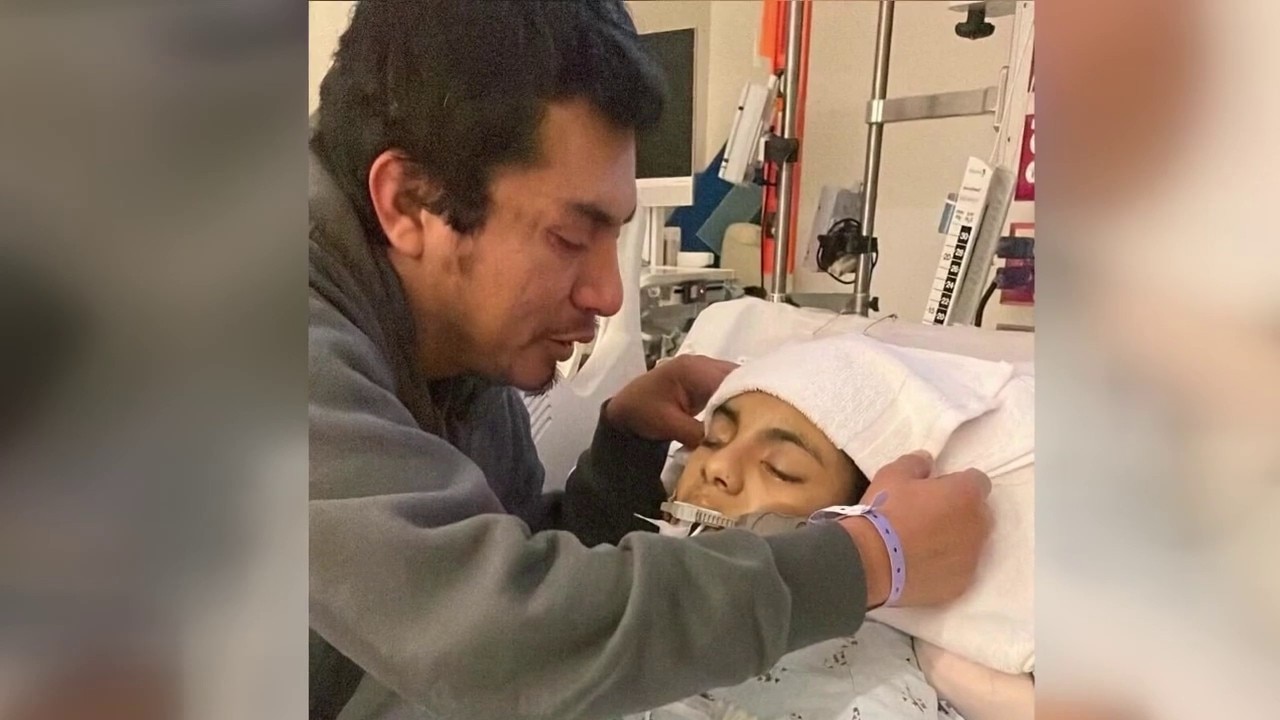
Reseda High School, a comprehensive campus educating over 1,500 students in grades 9-12 (with potential feeder programs for younger grades), has become a focal point for community anguish. On Friday, February 27, 2026—just days after Khimberly’s passing—a group of students organized a protest outside the school gates. Waving signs demanding justice and safer schools, they chanted for change, their voices a powerful testament to the impact of one loss on many. “We want justice for Khimberly,” one student protester told reporters, encapsulating the collective demand for accountability. The demonstration drew parents, teachers, and local residents, transforming grief into action.
In tandem with the protests, a GoFundMe campaign launched on Thursday, February 26, 2026, to aid the Zavaleta family with mounting funeral and medical expenses. The page features a touching photo of Khimberly, her eyes sparkling with life, accompanied by a heartfelt plea for support. Donations poured in quickly, reflecting the community’s solidarity in a time of profound need. Such fundraisers are sadly common in the wake of youth tragedies, bridging financial gaps while fostering a sense of communal healing.
This case resonates far beyond Reseda, tapping into national concerns about bullying and school violence. According to the Centers for Disease Control and Prevention (CDC), about 20% of U.S. students report being bullied, with physical assaults comprising a significant portion. In California, state laws require schools to implement anti-bullying policies, including mandatory reporting and intervention strategies. Yet, enforcement gaps persist, often due to understaffing or inadequate training. Khimberly’s story echoes similar incidents: In 2024, a 13-year-old in Texas died from injuries sustained in a school fight; in 2025, a New York tween suffered long-term effects from a bullying-related head injury. These cases highlight a pattern where “minor” altercations escalate, prompting calls for zero-tolerance policies on physical confrontations.
Experts in child psychology emphasize the long-term ripple effects. Dr. Maria Gonzalez, a pediatric neurologist specializing in TBIs, explains that blows to the head in adolescents can disrupt brain development, leading to cognitive impairments or, in worst cases, death. “Even a seemingly harmless object like a water bottle can cause concussive force equivalent to a sports injury,” she notes. Prevention advocates urge schools to ban metal containers or require them to be stored in lockers, while promoting conflict resolution programs like peer mediation.
For Khimberly’s family, the path forward is one of unimaginable pain. Elma Chuquipa’s faith provides solace, but the void left by her daughter is profound. Siblings, particularly the one Khimberly may have been protecting, face emotional trauma that could manifest in anxiety or withdrawal. Community resources, including LAUSD’s counseling services, will be crucial, as will ongoing support from neighbors and extended family.
As the homicide investigation unfolds, anticipation builds for revelations that could bring closure. Will charges be filed? What role did school oversight play? These questions stimulate broader discourse on accountability—holding not just individuals but institutions responsible. In Reseda, murals and memorials may soon honor Khimberly, turning her story into a catalyst for safer schools.
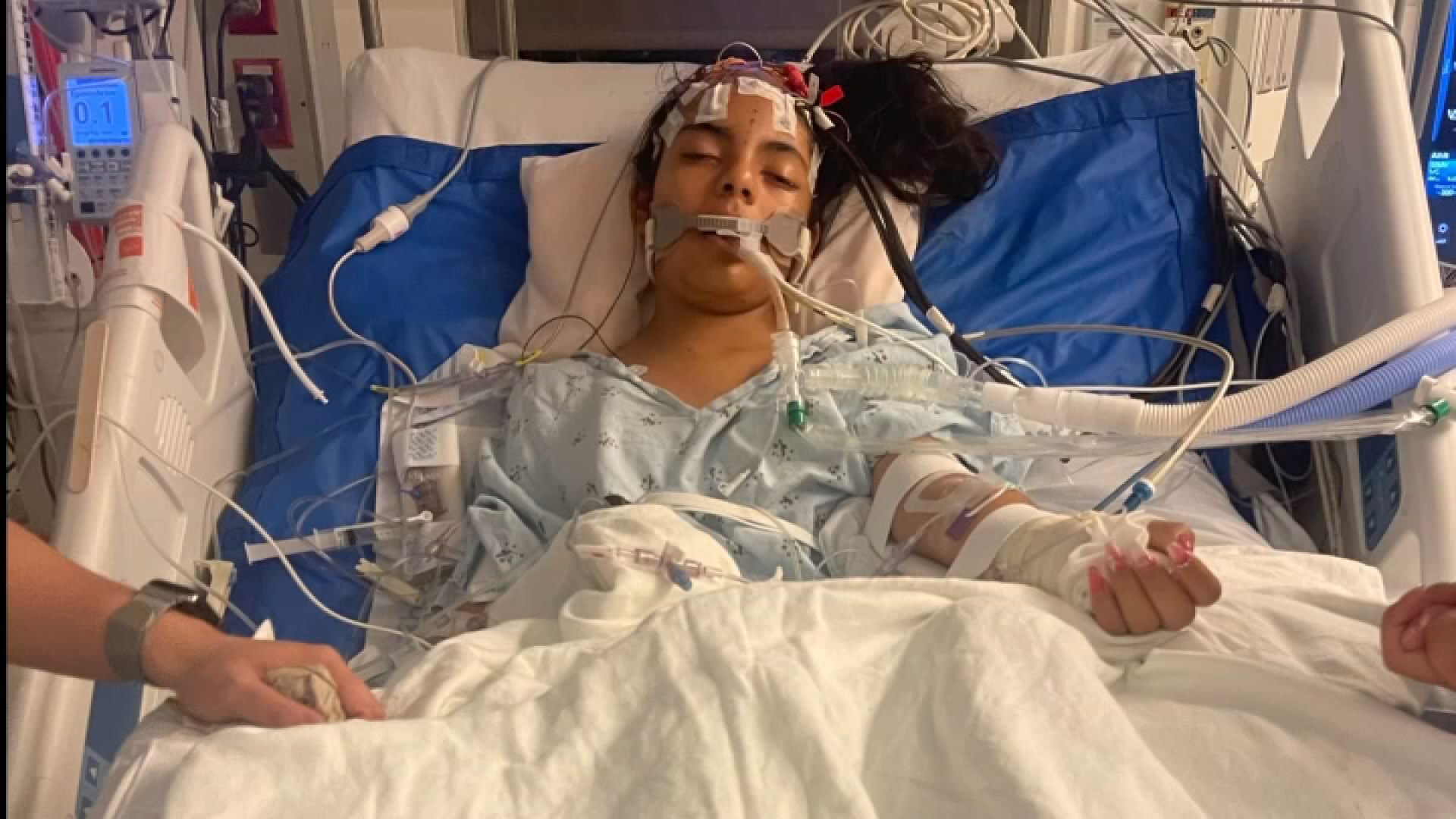
Khimberly Zavaleta’s death is a stark reminder that behind every statistic is a human story. Her legacy could drive meaningful change: enhanced bullying prevention, better medical protocols for head injuries, and a cultural shift toward empathy in education. As the community rallies, her mother’s words echo: Justice is coming, touched by the hearts of many. In this tragedy, hope flickers—may it ignite a safer future for all children.
News
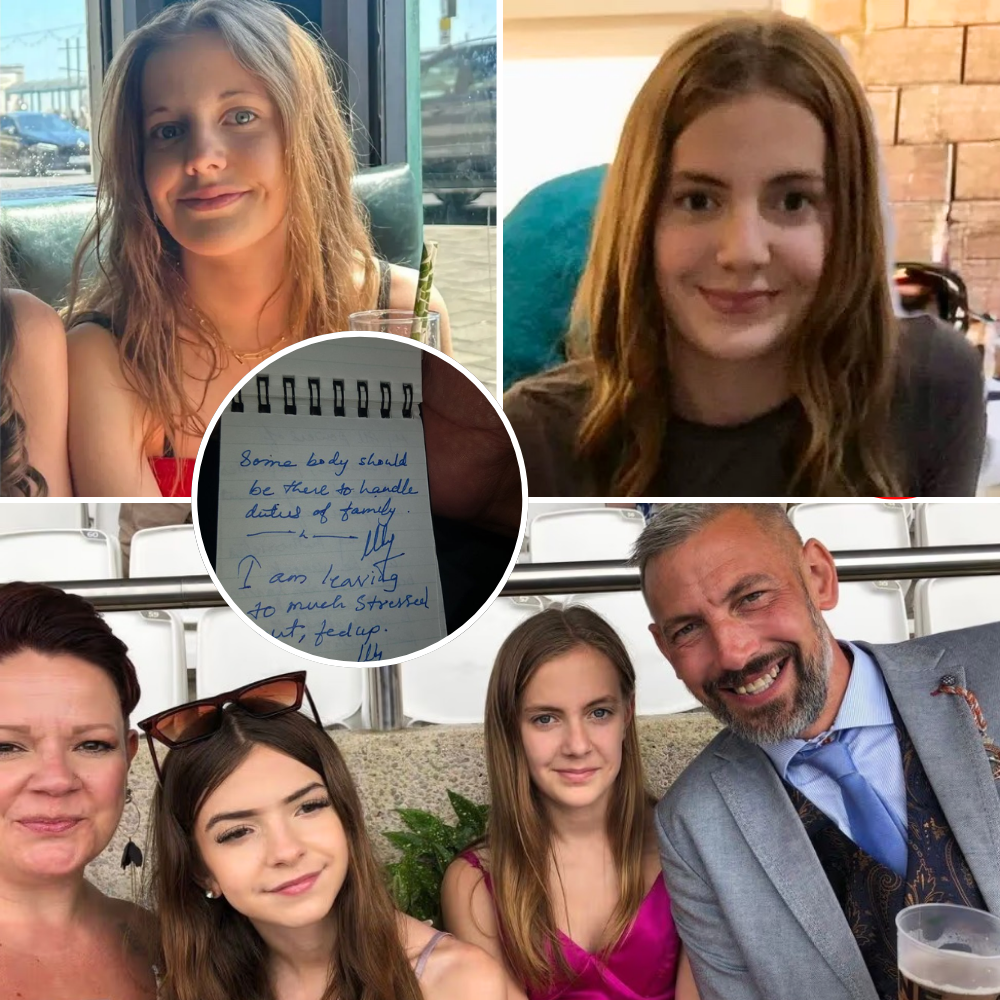
Mum Went to Wake Her 12-Year-Old for School… Instead Found Amelia Dead After Relentless Snapchat Torment 😭 Last Night She Was Happy & Laughing – The Devastating Details Inside
A cheerful 12-year-old girl with a smile that warmed every room spent her final evening wrapped in the simple joys of family life, laughing freely while sharing fish and chips at her grandparents’ house. No one could have predicted that the next morning would bring the kind of silence no parent should ever endure. On […]
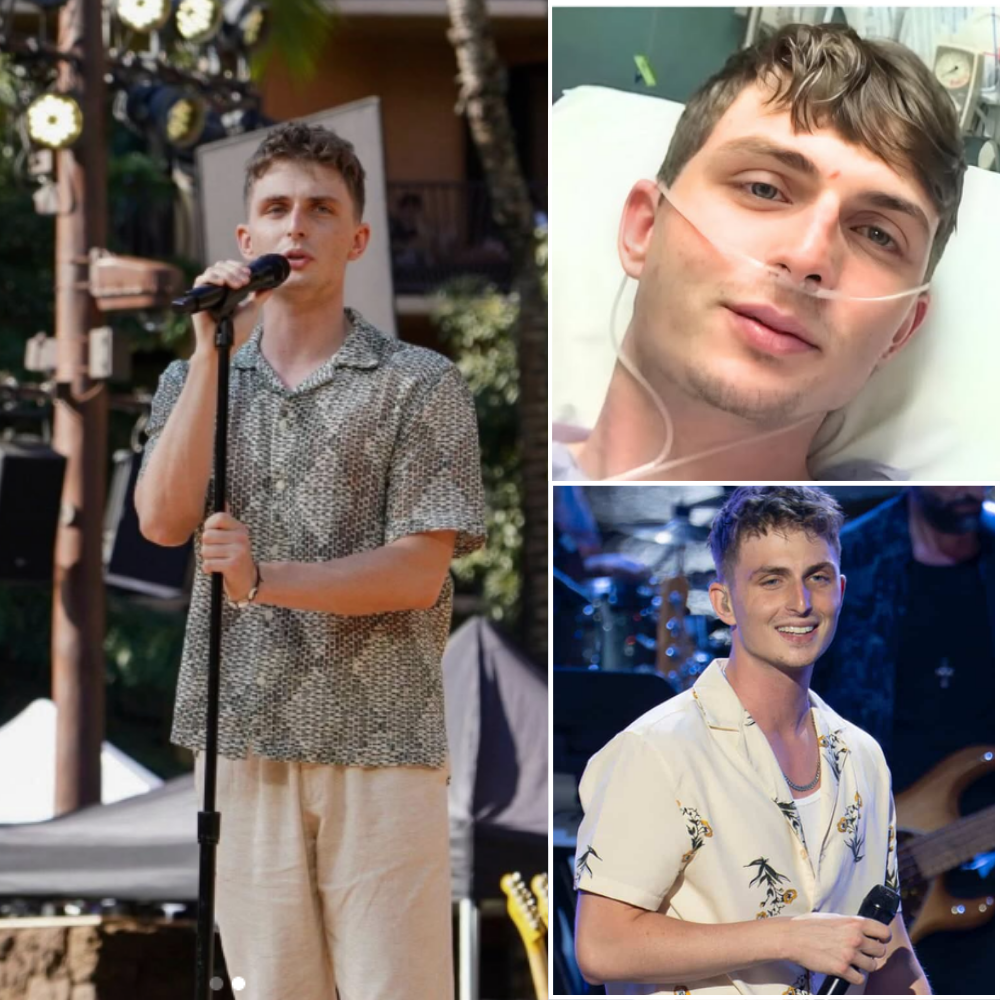
👀 American Idol Judges Stunned by Braden Rumfelt’s Voice After Two Major Surgeries Destroyed His Baseball Career — His Comeback Story Is Unbelievable! 😱
The spotlights in the American Idol audition room pulsed with that familiar electric hum as 22-year-old Braden Rumfelt stepped forward, guitar slung over his shoulder, his twin brother Kellen right beside him with fingers poised on the strings. Murphy, North Carolina, felt a world away in that moment—the small-town life of substitute teaching, quiet family […]

😲 She Wrote “String Cheese” While Battling Postpartum Depression… Now Hannah Harper Is Stealing American Idol! Her Incredible Journey Will Inspire You ❤️
The Hawaiian stage lights bathed the Aulani Resort in a golden glow as 25-year-old Hannah Harper, a stay-at-home mom from the tiny town of Bunker, Missouri, gripped the microphone with the same quiet determination she once used to wrangle three rambunctious boys through a long day of laundry and snacks. Her homemade patchwork dress shimmered […]
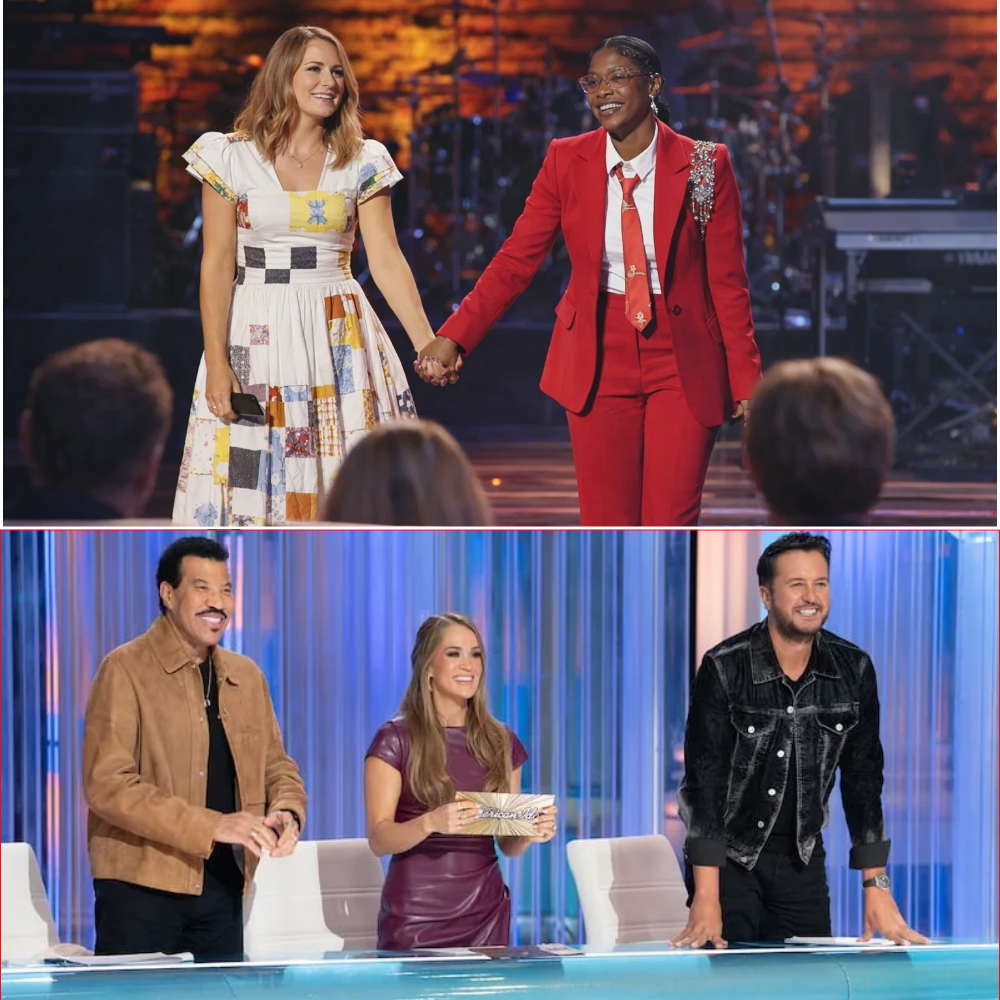
😱 American Idol Top 20 Poll SHOCK: Hannah Harper & Keyla Richardson Dominate… But Who’s Going HOME Next? 😭 Who’s in Danger?
Hawaii’s sun-drenched shores at Disney’s Aulani Resort became the unlikely battlefield where American Idol Season 24’s Top 20 delivered heart-stopping performances that have left fans divided, judges stunned, and Gold Derby readers casting their clearest verdict yet on who might not survive America’s vote. With the first live results episode looming on March 30, the […]
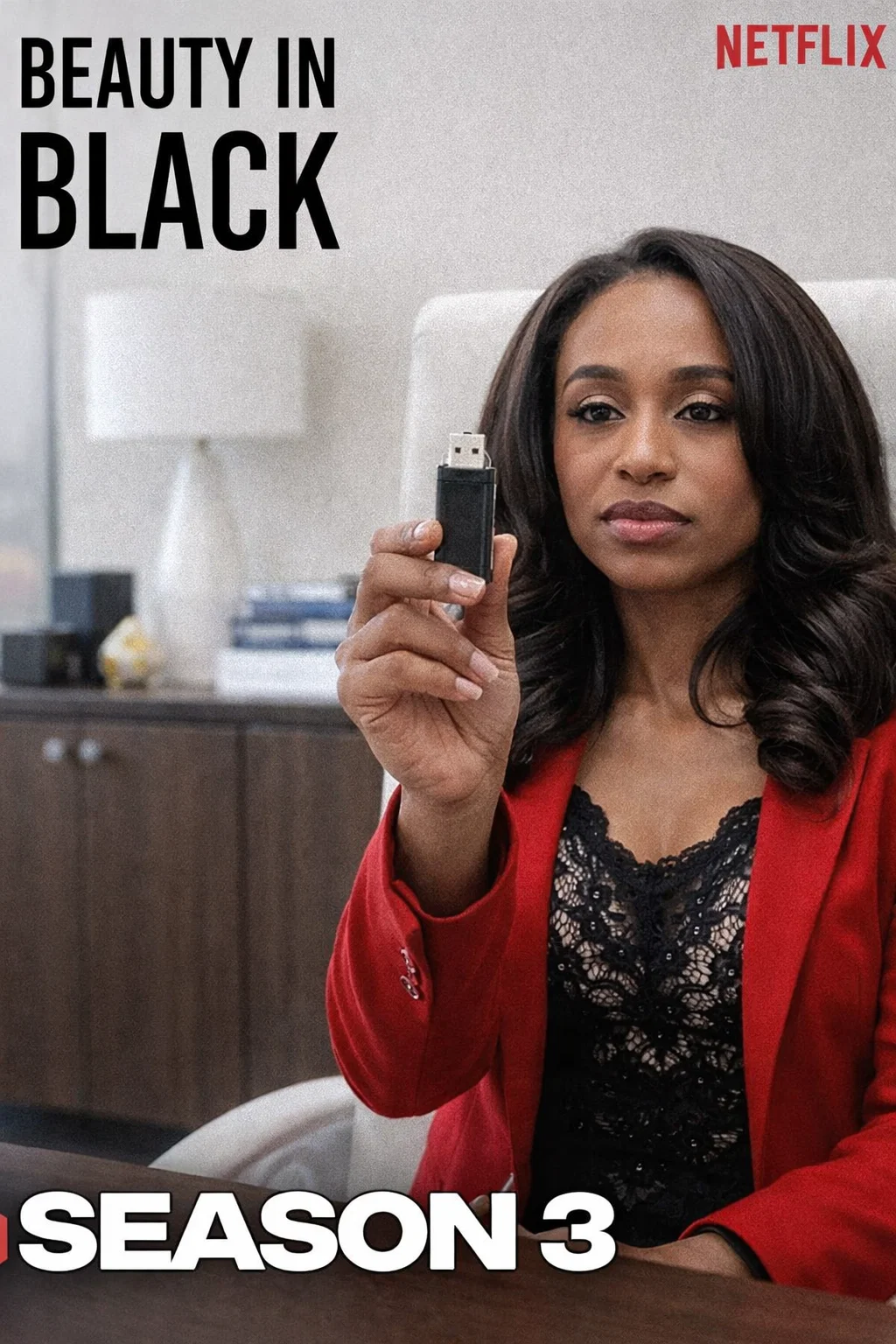
😱💔 Kimmie Standing On The Rooftop With That USB Drive Has Fans Terrified — Is She About To Destroy The Entire Bellarie Empire? 👀
The first explosive trailer for Beauty in Black Season 2 Part 2 is here — and everything shifts fast. The new footage shows Kimmie stepping fully into her power with zero hesitation, but one bold move has fans in total shock. Is she protecting herself… or setting something much bigger in motion? The stakes feel […]

💥 “Is The Baby Okay?” — Virgin River Season 7 Finale Left One Devastating Clue About Mel & Jack’s Child That Changes Everything 😭
Netflix just dropped the news everyone has been waiting for: Virgin River is officially returning for Season 7 — and fans are already bracing for another emotional chapter. The release date and exact drop time are now confirmed, meaning the next wave of romance, heartbreak, and small-town secrets is closer than expected. But one storyline […]
End of content
No more pages to load