Princess of Wales Stuns in Breathtaking Off-Shoulder Gown Paired with Queen Elizabeth II’s Legendary Japanese Pearl Choker — A Timeless Tribute That Sets Social Media Ablaze and Signals a New Era of Royal Elegance
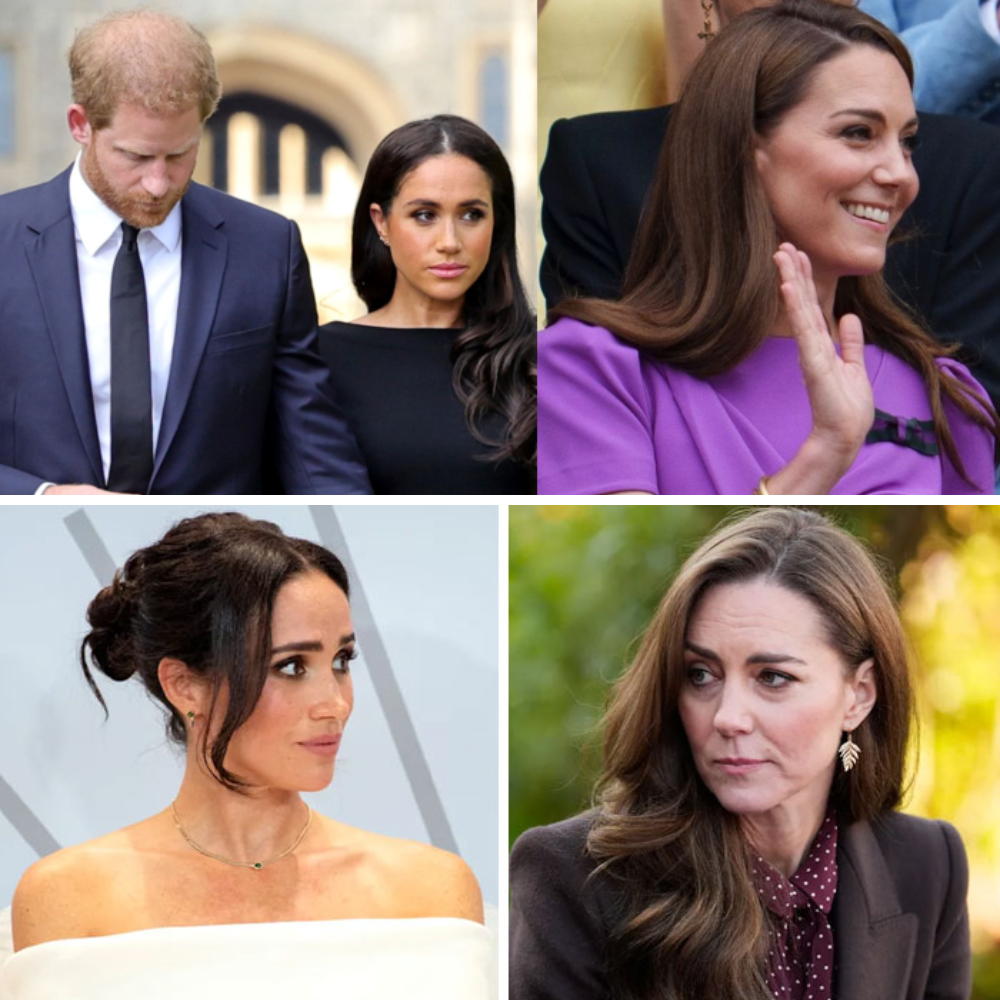
In a moment that blended regal heritage with effortless modern glamour, Catherine, the Princess of Wales, turned heads and ignited social media feeds across the globe during a high-profile evening appearance in late February 2026. Stepping out in a breathtaking off-the-shoulder gown that flowed with graceful sophistication, the Princess elevated the look with one of the most storied pieces from the late Queen Elizabeth II’s personal collection: the iconic Japanese Pearl Choker. The four-strand masterpiece, long synonymous with poise, quiet authority, and understated power, became the undeniable centerpiece of an ensemble that royal watchers are already hailing as one of her most powerful style statements to date.
The occasion—a glittering gala celebrating the arts and cultural heritage—provided the perfect stage for Catherine’s carefully curated appearance. The gown itself was a vision of contemporary elegance: soft, structured draping in a luminous blush-pink hue that caught the light with every movement, its off-the-shoulder neckline accentuating the delicate lines of her shoulders and collarbone. The fabric cascaded in gentle panels, creating a sense of effortless fluidity while maintaining the poised silhouette that has become her signature. A subtle burgundy velvet belt cinched the waist, adding a touch of rich contrast and nodding to coordinated evening wear trends seen on red carpets worldwide.
Yet it was the historic accessory that truly captivated. The Japanese Pearl Choker, crafted by the royal jeweler Garrard in the 1970s, features four perfectly matched rows of luminous cultured pearls united by a distinctive curved diamond clasp at the center. The pearls themselves trace their origins to a generous gift from the Japanese government during Queen Elizabeth II’s historic state visit in 1975. Recognizing their exceptional quality, the Queen commissioned the transformation into a formal choker, a piece she wore frequently throughout her reign—from state banquets to international tours. Its modern design distinguished it from more traditional royal pearls, blending timeless beauty with a subtle contemporary edge that appealed to the monarch’s discerning taste.
Over the decades, the choker transcended its original purpose. Queen Elizabeth II loaned it on rare occasions, most notably to her daughter-in-law, Diana, Princess of Wales, who wore it during one of her earliest formal engagements after marrying Prince Charles in 1981. The gesture symbolized approval and inclusion, marking a poignant chapter in royal jewelry lore. Catherine’s decision to wear it now carries layers of meaning: a tribute to her late grandmother-in-law’s enduring legacy, a nod to the continuity of tradition within the monarchy, and a quiet acknowledgment of the emotional bridges built across generations.
Social media erupted almost immediately upon the first images surfacing. Fans and fashion commentators flooded platforms with praise, dubbing Catherine a “modern queen” for her masterful balance of heritage and innovation. “She wore history around her neck and made it feel utterly current,” one viral post read, garnering thousands of likes within hours. Others highlighted the emotional resonance: “Pearls from Japan, worn by Elizabeth, Diana, now Catherine—three generations of strength and grace.” The off-the-shoulder silhouette drew particular admiration for its subtle sensuality and confidence, a departure from more conservative royal evening wear while remaining impeccably appropriate.
The choker’s luminous glow against the soft pink gown created a harmonious visual symphony. Pearls, with their natural iridescence, caught the camera flashes and ambient lighting, drawing the eye upward and framing Catherine’s composed expression. She paired the necklace with minimal additional jewelry—perhaps a pair of understated diamond drops or simple studs—to ensure the historic piece remained the focal point. Her hair, styled in loose, glamorous waves, cascaded softly over one shoulder, allowing the choker to shine without competition.
This appearance arrives at a pivotal moment for the Princess. Having navigated personal health challenges and a period of reduced public engagements, Catherine’s return to high-profile events has been met with widespread warmth and support. Her choice of attire and accessories speaks volumes about her approach to royal life: respectful of tradition, yet forward-looking and relatable. By selecting a jewel with such deep historical ties, she subtly reinforces the monarchy’s continuity while projecting quiet confidence and modernity—qualities that resonate deeply in today’s cultural landscape.
Royal fashion experts have noted how the ensemble aligns with Catherine’s evolving style philosophy. She has long favored pieces that tell stories, whether through recycled outfits, sustainable choices, or meaningful heirlooms. The Japanese Pearl Choker fits perfectly into this narrative: a recycled treasure from the royal vaults, worn by women who embodied duty, resilience, and grace under pressure. Its reappearance underscores Catherine’s role as a steward of royal heritage, ensuring these pieces remain vibrant and relevant rather than confined to display cases.
The reaction extended far beyond fashion circles. Commentators praised the subtle symbolism—the pearls representing purity, wisdom, and enduring strength—qualities Catherine has embodied throughout her public life. Supporters highlighted how the look bridged past and future: a necklace gifted during a 1970s diplomatic triumph, worn by a queen who navigated decades of change, now adorning a princess shaping the monarchy’s next chapter.
As images circulated, the moment crystallized into something larger: one appearance, one historic jewel, and a powerful statement about the future of the institution. Catherine didn’t just wear a gown and a necklace; she wore a legacy, reimagined for a new era. Social media continues to buzz with admiration, memes, and thoughtful analyses, proving once again that royal style can transcend aesthetics to become a form of quiet diplomacy.
In the end, the Princess of Wales delivered more than a red-carpet triumph. She offered a reminder that true elegance lies in honoring the past while confidently stepping into the future—one luminous pearl at a time.