Mor Ilderton stepped onto the American Idol stage on February 16, 2026, and delivered one of the most raw, unforgettable auditions of Season 24. The 22-year-old from Teays Valley, West Virginia, poured his soul into an original song titled “Strong,” transforming personal tragedy into a powerful declaration of resilience. Judges Carrie Underwood, Luke Bryan, and Lionel Richie rose in a standing ovation, visibly moved, while viewers at home flooded social media with tears and praise. This wasn’t just another hopeful’s big break—it marked a triumphant return for a singer who had walked away from The Voice two years earlier without explanation.

Born Clarence Morton Ilderton IV, Mor’s life began under heartbreaking circumstances. When he was only two years old, his biological father took his mother’s life in an act of violence that shattered his family. Full custody went to his maternal grandmother, Sandy, the woman he has always called “Mom.” In interviews and on the show, Mor speaks of her with deep gratitude, describing her as the rock who gave him stability, love, and guidance through a mischievous childhood that tested her patience.
“I was raised by my grandma. I’ve had a great childhood and the fact that I’m here right now is freaking awesome,” he told host Ryan Seacrest before his performance. “Since I was 2 years old I was put under full custody with my grandma and I grew up calling her Mom. She is an amazing woman. I mean, I was a mischievous kid. I put her through so much. Whoever I am reaches back to her always.”

For much of his life, Mor had no clear picture of his biological mother—until he saw a photograph for the first time. That encounter with a face both familiar and foreign sparked a flood of emotions: confusion, longing, grief, and ultimately strength drawn from the woman who raised him. Those feelings became the foundation of “Strong,” the song he chose to share with the Idol judges.
The performance itself carried an electric vulnerability. Mor began with a slight stumble—perhaps nerves, perhaps the sheer weight of the lyrics—but he quickly steadied himself. His voice, rich and textured with an indie-folk edge reminiscent of artists like Rob Thomas or early Oasis influences (as some online commenters noted), carried the verses about seeing a stranger in his mother’s photo. The chorus built to an emotional crescendo: lines echoing themes of no longer wanting to “need” or “bleed” from the loss, yet recognizing that very absence as the reason he remains strong today.

As the final notes faded, silence hung in the room for a heartbeat before applause erupted. Lionel Richie, at 76, praised the songwriting: “Very cool that you took that time and pulled that together. As unnerved as you may feel, I love your delivery, I love the timbre of your voice—and more importantly, that writing was very cool.”
Carrie Underwood, in her debut season as a judge, connected on a spiritual level: “I feel like you went somewhere else when you were singing. It’s like we weren’t here. In a good way.”
Luke Bryan highlighted the complete artist package: “You’ve got all the tools—looks, style, hair, heart, and voice.” In a surprise twist, he brought Sandy into the audition room—she had flown in secretly to support him. Mor’s shock turned to tears as he embraced her tightly, the moment capturing everything American Idol aims to celebrate: talent intertwined with genuine human stories.
All three judges voted “yes,” sending Mor to Hollywood Week in Nashville with his Golden Ticket in hand.
This audition carried extra weight because it wasn’t Mor’s first national spotlight. In 2024, during Season 26 of The Voice, the then-20-year-old turned chairs in the Blind Auditions, landing on Michael Bublé’s team. He advanced through the Battles—losing his pairing but getting stolen by Gwen Stefani, keeping his journey alive. Fans admired his unique tone and emotional delivery.
Then came the unexpected. Ahead of the Knockouts, Stefani announced on air that Mor “had to go home.” No details followed—no injury, no family emergency, no creative clash explained publicly. Host Carson Daly and the coaches stayed silent on specifics, leaving viewers speculating wildly. Some online rumors suggested personal issues or even controversy, but nothing confirmed. Mor himself remained quiet at the time.
In the aftermath, he focused on his independent path. He released originals like “Stranger” shortly after, built his social media presence (@morildertonmusic or @mormusic), and pursued music on his own terms. The Voice exit, mysterious as it was, seemed to fuel rather than derail him. By auditioning for American Idol—a rival show with a different format emphasizing storytelling and originals—he signaled determination to finish what he started.
Why switch shows? The Voice thrives on fast-paced battles and team rivalries, while Idol spotlights personal narratives and singer-songwriter authenticity. Perhaps the timing in 2024 wasn’t right—family priorities, mental health processing, or simply needing space after his early trauma. Whatever the unspoken reason, his 2026 return proved he belonged in this arena. Fans who recognized him from The Voice expressed shock and excitement online, with comments like “Voice fans may finally learn the REAL REASON” circulating as speculation reignited.
The viral spread of Mor’s Idol clip was immediate. YouTube uploads of the full performance racked up views quickly, with titles like “Mor Sings Heartbreaking Original for Mom After Family Tragedy” drawing emotional reactions. On Facebook, Instagram, and TikTok, people shared stories of their own losses, resilience, and second chances. One viewer wrote, “This made me cry—thank you mama” under a post. Another noted the song’s echoes of classic anthems, praising its craftsmanship.
Mor’s backstory adds layers to his artistry. Growing up in West Virginia, he worked as a gas utility employee while chasing music dreams. His indie-folk style blends heartfelt lyrics with a grounded, authentic delivery that feels unmanufactured in an era of viral covers. Performing an original about such profound pain required courage—turning private grief public in hopes of connection.
As he heads to Hollywood Week, the competition ramps up: group rounds, solo showcases, and eliminations under national scrutiny. Yet Mor enters with advantages—songwriting skill, emotional depth, and a built-in fanbase from two shows. His grandmother’s surprise appearance reminded everyone that strength often stems from love and support behind the scenes.
Whether Mor claims the American Idol title remains uncertain, but his audition already achieved something profound. He honored the mother he lost too soon, celebrated the “Mom” who raised him, and showed that healing can come through music. In a world quick to move on from pain, Mor paused, reflected, and sang it out—proving resilience isn’t about forgetting the past but carrying it forward with grace.
Viewers tuning into Hulu for the full audition witness more than talent; they see a young man reclaiming his story. Mor Ilderton isn’t just competing—he’s testifying. And in doing so, he reminds us all that the strongest voices often rise from the deepest wounds.
News
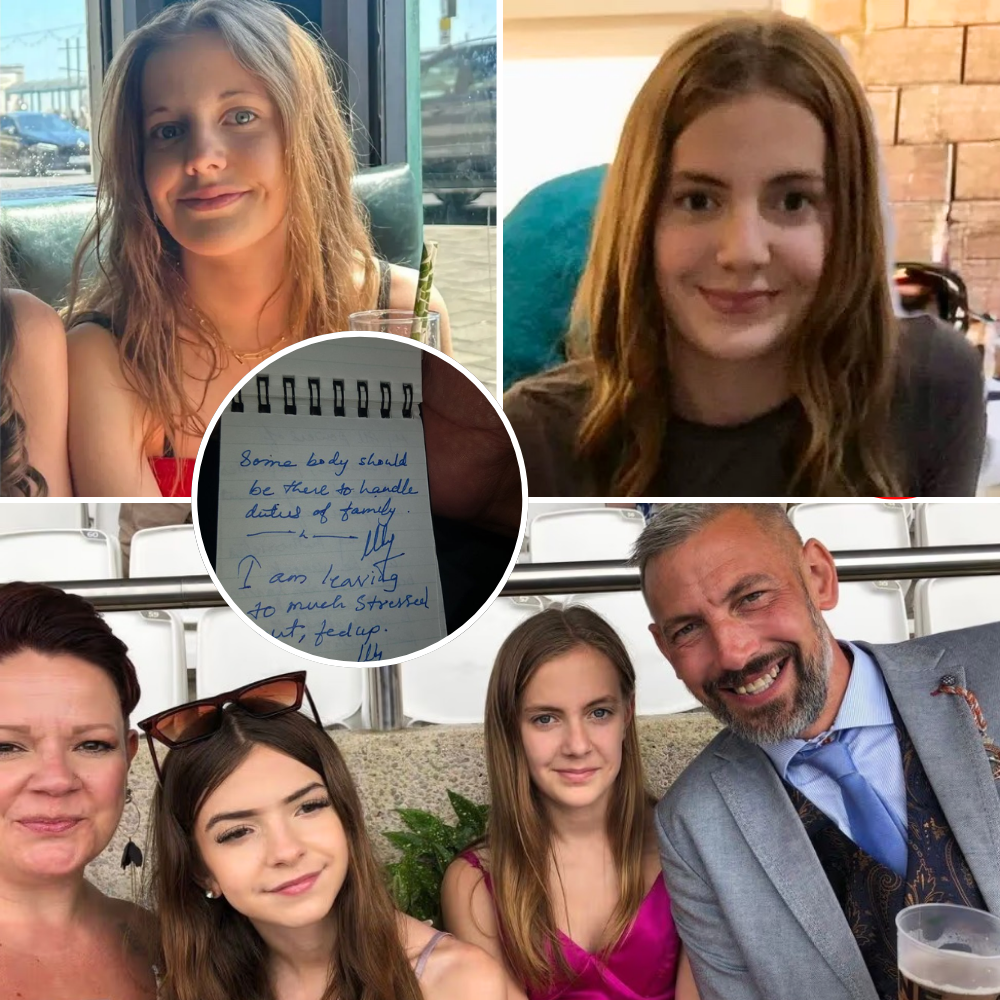
Mum Went to Wake Her 12-Year-Old for School… Instead Found Amelia Dead After Relentless Snapchat Torment 😭 Last Night She Was Happy & Laughing – The Devastating Details Inside
A cheerful 12-year-old girl with a smile that warmed every room spent her final evening wrapped in the simple joys of family life, laughing freely while sharing fish and chips at her grandparents’ house. No one could have predicted that the next morning would bring the kind of silence no parent should ever endure. On […]

👀 American Idol Judges Stunned by Braden Rumfelt’s Voice After Two Major Surgeries Destroyed His Baseball Career — His Comeback Story Is Unbelievable! 😱
The spotlights in the American Idol audition room pulsed with that familiar electric hum as 22-year-old Braden Rumfelt stepped forward, guitar slung over his shoulder, his twin brother Kellen right beside him with fingers poised on the strings. Murphy, North Carolina, felt a world away in that moment—the small-town life of substitute teaching, quiet family […]

😲 She Wrote “String Cheese” While Battling Postpartum Depression… Now Hannah Harper Is Stealing American Idol! Her Incredible Journey Will Inspire You ❤️
The Hawaiian stage lights bathed the Aulani Resort in a golden glow as 25-year-old Hannah Harper, a stay-at-home mom from the tiny town of Bunker, Missouri, gripped the microphone with the same quiet determination she once used to wrangle three rambunctious boys through a long day of laundry and snacks. Her homemade patchwork dress shimmered […]

😱 American Idol Top 20 Poll SHOCK: Hannah Harper & Keyla Richardson Dominate… But Who’s Going HOME Next? 😭 Who’s in Danger?
Hawaii’s sun-drenched shores at Disney’s Aulani Resort became the unlikely battlefield where American Idol Season 24’s Top 20 delivered heart-stopping performances that have left fans divided, judges stunned, and Gold Derby readers casting their clearest verdict yet on who might not survive America’s vote. With the first live results episode looming on March 30, the […]
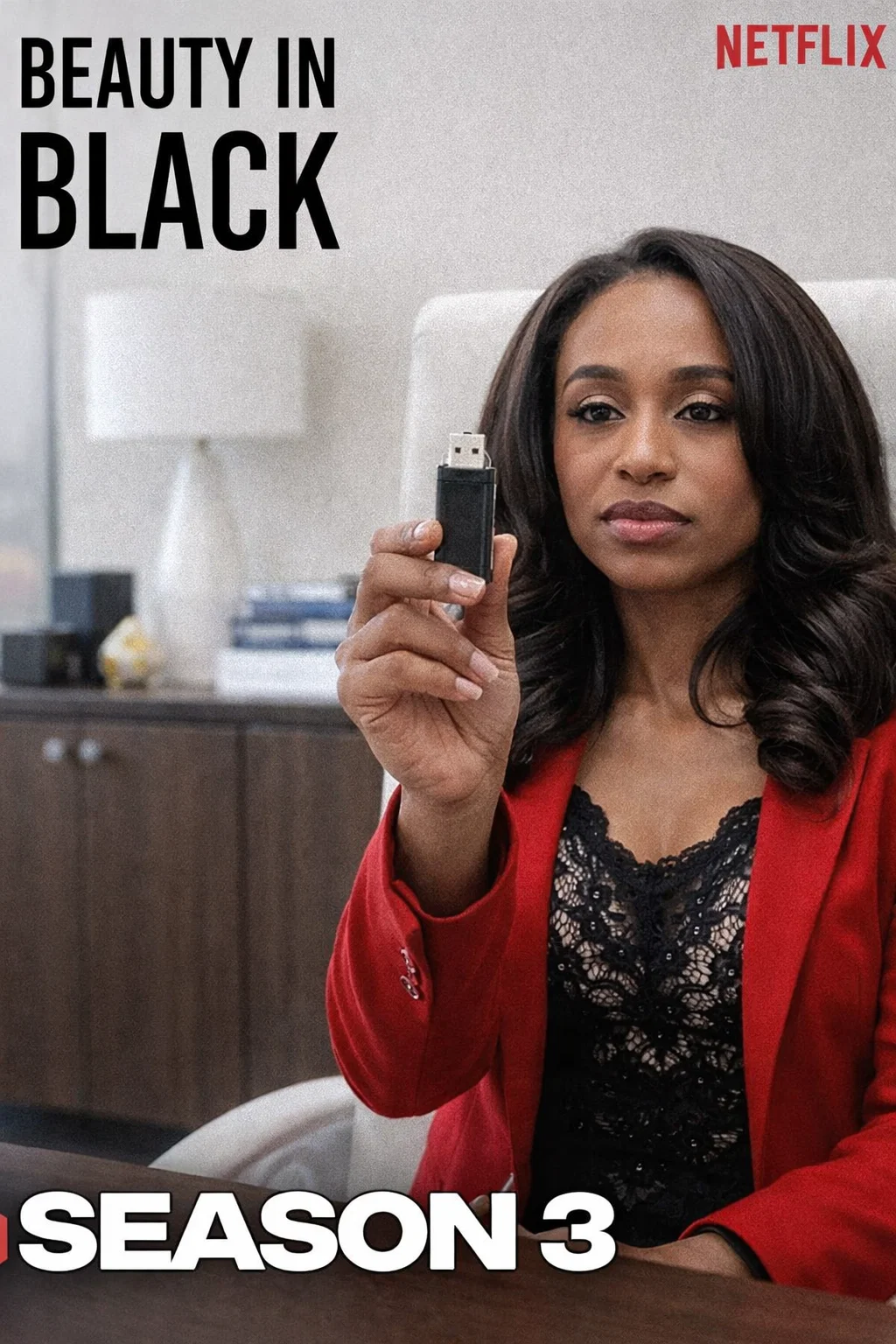
😱💔 Kimmie Standing On The Rooftop With That USB Drive Has Fans Terrified — Is She About To Destroy The Entire Bellarie Empire? 👀
The first explosive trailer for Beauty in Black Season 2 Part 2 is here — and everything shifts fast. The new footage shows Kimmie stepping fully into her power with zero hesitation, but one bold move has fans in total shock. Is she protecting herself… or setting something much bigger in motion? The stakes feel […]

💥 “Is The Baby Okay?” — Virgin River Season 7 Finale Left One Devastating Clue About Mel & Jack’s Child That Changes Everything 😭
Netflix just dropped the news everyone has been waiting for: Virgin River is officially returning for Season 7 — and fans are already bracing for another emotional chapter. The release date and exact drop time are now confirmed, meaning the next wave of romance, heartbreak, and small-town secrets is closer than expected. But one storyline […]
End of content
No more pages to load