It didn’t feel like a concert moment. It felt like time folding in on itself, a vow written in ink decades ago suddenly sung back in a voice that carried the same melody but a different lifetime of meaning.

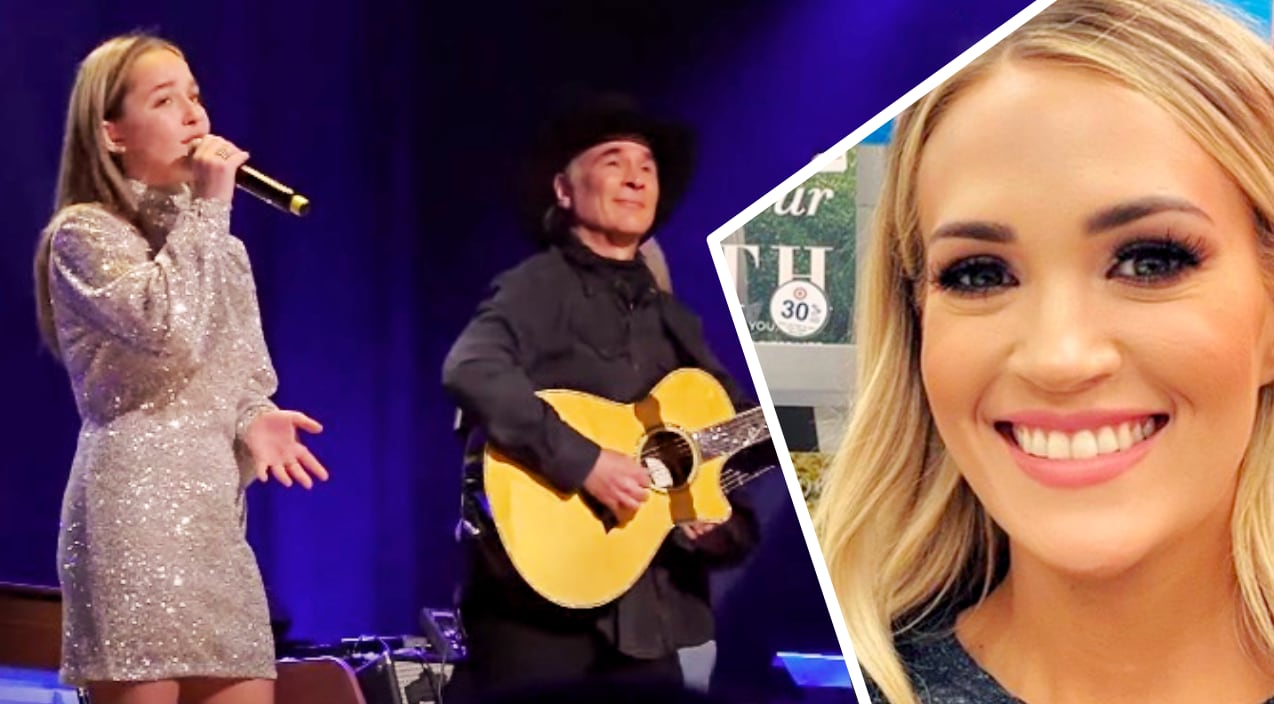
Last night at the historic Ryman Auditorium in Nashville—on a Valentine’s Day stage already heavy with legacy—Lily Pearl Black stepped into the spotlight with no fanfare, no dramatic entrance. Just a young woman in soft lighting, a quiet band behind her, and the opening chords of “When I Said I Do,” the timeless duet her father Clint Black wrote and recorded with her mother Lisa Hartman Black back in 1999. The song that topped the Billboard Hot Country Songs chart, became a wedding staple for generations, and stood as a public declaration of enduring love between two people who had already promised forever in real life.
But this time, Clint didn’t step forward. He didn’t reach for a microphone or harmonize. He simply stood off to the side—hands folded, eyes fixed on his daughter—as Lily let the lyrics unfold in her own gentle, assured way. She didn’t imitate her father’s signature baritone or her mother’s warm alto. She reinterpreted the promise, breathing new life into lines about commitment, forever, and the quiet strength it takes to keep showing up. For those in the room—and the millions who’ve since seen clips flood social media—it wasn’t just a cover. It was a full-circle reckoning. A daughter singing her father’s vow back to him, not as performance, but as recognition. As gratitude. As proof that some promises echo across generations.
Clint Black has always been a storyteller first. Born in Long Branch, New Jersey, but raised in Katy, Texas, he broke through in the late ’80s with a string of No. 1 hits that blended traditional country swing with sharp songwriting—“A Better Man,” “Killin’ Time,” “Nobody’s Home.” By 1991, he had married actress Lisa Hartman Black (known for Tabitha, Flicka, and her own music career), and their union became one of Nashville’s most enduring power couples. When Clint wrote “When I Said I Do,” it wasn’t hypothetical. He refused to record it with anyone else, insisting Lisa join him. The result was magic: a duet that felt intimate yet universal, capturing the everyday heroism of marriage.
Released on his 1999 album D’lectrified, the song peaked at No. 1 and earned a Grammy nomination. Its video—shot in black-and-white simplicity—showed Clint and Lisa on a porch, guitars in hand, singing directly to each other. Fans adopted it for first dances, anniversaries, vow renewals. It became the soundtrack to real love stories, not just a chart-topper.
Fast-forward twenty-five years. Lily Pearl Black, born in 2001, grew up in the shadow of that legacy—but never under pressure to replicate it. Clint and Lisa raised her away from the spotlight’s glare, letting her find music on her own terms. She studied, traveled, explored other passions. Yet country music was in her blood. Over the past few years, she’s emerged quietly: guest spots, co-writes, opening slots. Her voice—clear, emotive, with a touch of her father’s warmth—has drawn comparisons without feeling derivative.
The moment arrived during Clint’s Valentine’s Day show at the Ryman, part of a run celebrating his catalog and family ties. The auditorium—known as the “Mother Church of Country Music”—has hosted legends from Hank Williams to Johnny Cash. Last night, it hosted something rarer: generational continuity.
Lily walked on mid-set. No announcement. Just the band easing into the familiar intro. Clint, seated nearby, froze. Audience members who recognized the chords gasped. Phones rose slowly, respectfully. Lily took center stage and began:
“When I said I do, I meant forever… Through the good times and the bad times…”
Her delivery was softer than the original, more introspective. Where Clint’s original had swagger and certainty, Lily infused vulnerability—the perspective of someone who has watched her parents live those words for her entire life. She didn’t rush the chorus. She let each line land, as if explaining to her father what his promise had meant to the child who grew up witnessing it.
Clint didn’t sing along. He didn’t need to. Tears welled visibly as he watched. Lisa, in the wings, smiled through her own emotion. The band played with restraint—acoustic guitar, light piano, a gentle steel swell—allowing the moment to breathe. When Lily hit the bridge—“I’ll be there for you, no matter what”—the room felt smaller, quieter. It was no longer about a hit song. It was about legacy: a father who wrote a vow to his wife, now hearing it reflected back from the daughter their love created.
Social media erupted almost instantly. Clips from fans in the audience spread like wildfire. “Full circle,” Clint posted on Facebook and Instagram, sharing the video with the caption: “My daughter Lily Pearl Black did her mother and me proud with ‘When I Said I Do’. What a full circle moment for us!” The post garnered thousands of reactions, with fans sharing stories of how the song soundtracked their own marriages, now seeing it reborn through Lily.
This wasn’t Lily’s first high-profile moment. In September 2024, during the Big Machine Music City Grand Prix in Nashville, Riley Green invited her onstage for a duet of the same song. That performance—heartfelt, energetic—earned praise and went viral. Clint called it “proud dad mode activated.” But last night felt different. More private. More profound. No guest star. Just father, daughter, and the weight of time.
For Lily, stepping into that song carried layers. Growing up as Clint and Lisa’s child meant constant reminders of the public’s affection for their love story. Yet she’s carved her own path: independent releases, live dates, a growing fanbase drawn to her authenticity. Singing “When I Said I Do” isn’t mimicry—it’s ownership. She’s not covering her parents; she’s honoring the life they built, the stability they gave her.
Clint, now in his 60s, has never stopped evolving. Recent tours like 35 Years of Killin’ Time and Back on the Blacktop show him still vital, still writing. But family collaborations have taken center stage. In 2021–2022, the “Mostly Hits & The Mrs.” tour with Lisa became a PBS special sensation. Lily joined segments, hinting at future family projects. Last night’s announcement from the Ryman stage confirmed it: Lily will tour with her parents on the next iteration, blending hits with new material.
The emotional core remains that vow. “When I Said I Do” isn’t flashy. No pyrotechnics, no key changes for drama. It’s honest: love as choice, renewed daily. Hearing Lily sing it transformed the lyrics from promise to reflection. Clint wrote it as a young husband. Lily sang it as the daughter who saw it fulfilled.
In the quiet after her final note, the Ryman erupted—not in wild cheers, but in sustained, heartfelt applause. Clint rose, walked to her, pulled her into a long embrace. No words needed. The hug said everything: pride, love, continuity.
Moments like this remind us why country music endures. It’s not always about heartbreak or honky-tonks. Sometimes it’s about the quiet miracles: a marriage that lasts, a family that creates together, a song that outlives its first singers.
Lily didn’t just perform last night. She closed a chapter and opened another. The vow Clint wrote decades ago found its way home—not through repetition, but through reinvention. Through a daughter’s voice carrying forward what her parents began.
Some promises are made once. Others are sung again… when the heart is ready to hear what they truly mean.
News
Mum Went to Wake Her 12-Year-Old for School… Instead Found Amelia Dead After Relentless Snapchat Torment 😭 Last Night She Was Happy & Laughing – The Devastating Details Inside
A cheerful 12-year-old girl with a smile that warmed every room spent her final evening wrapped in the simple joys of family life, laughing freely while sharing fish and chips at her grandparents’ house. No one could have predicted that the next morning would bring the kind of silence no parent should ever endure. On […]

👀 American Idol Judges Stunned by Braden Rumfelt’s Voice After Two Major Surgeries Destroyed His Baseball Career — His Comeback Story Is Unbelievable! 😱
The spotlights in the American Idol audition room pulsed with that familiar electric hum as 22-year-old Braden Rumfelt stepped forward, guitar slung over his shoulder, his twin brother Kellen right beside him with fingers poised on the strings. Murphy, North Carolina, felt a world away in that moment—the small-town life of substitute teaching, quiet family […]

😲 She Wrote “String Cheese” While Battling Postpartum Depression… Now Hannah Harper Is Stealing American Idol! Her Incredible Journey Will Inspire You ❤️
The Hawaiian stage lights bathed the Aulani Resort in a golden glow as 25-year-old Hannah Harper, a stay-at-home mom from the tiny town of Bunker, Missouri, gripped the microphone with the same quiet determination she once used to wrangle three rambunctious boys through a long day of laundry and snacks. Her homemade patchwork dress shimmered […]

😱 American Idol Top 20 Poll SHOCK: Hannah Harper & Keyla Richardson Dominate… But Who’s Going HOME Next? 😭 Who’s in Danger?
Hawaii’s sun-drenched shores at Disney’s Aulani Resort became the unlikely battlefield where American Idol Season 24’s Top 20 delivered heart-stopping performances that have left fans divided, judges stunned, and Gold Derby readers casting their clearest verdict yet on who might not survive America’s vote. With the first live results episode looming on March 30, the […]
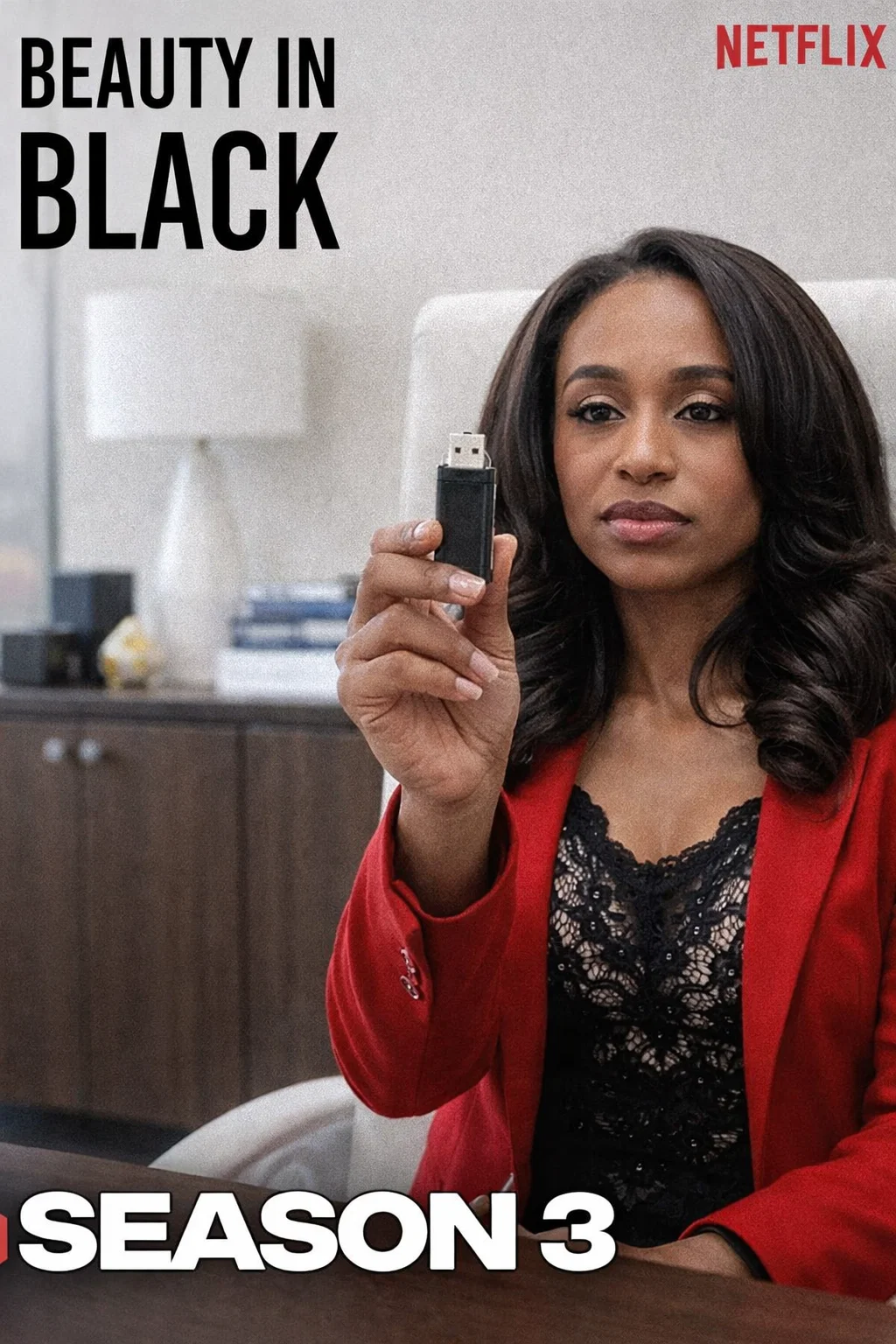
😱💔 Kimmie Standing On The Rooftop With That USB Drive Has Fans Terrified — Is She About To Destroy The Entire Bellarie Empire? 👀
The first explosive trailer for Beauty in Black Season 2 Part 2 is here — and everything shifts fast. The new footage shows Kimmie stepping fully into her power with zero hesitation, but one bold move has fans in total shock. Is she protecting herself… or setting something much bigger in motion? The stakes feel […]

💥 “Is The Baby Okay?” — Virgin River Season 7 Finale Left One Devastating Clue About Mel & Jack’s Child That Changes Everything 😭
Netflix just dropped the news everyone has been waiting for: Virgin River is officially returning for Season 7 — and fans are already bracing for another emotional chapter. The release date and exact drop time are now confirmed, meaning the next wave of romance, heartbreak, and small-town secrets is closer than expected. But one storyline […]
End of content
No more pages to load