In the electrifying world of live performances, where every note can spark a revolution or ignite a scandal, Kid Rock found himself at the center of a firestorm following his headline-grabbing halftime show at Turning Point USA’s (TPUSA) All American Halftime extravaganza. On February 11, 2026—the day after Super Bowl LX dazzled millions with Bad Bunny’s high-energy spectacle—social media erupted with accusations that the 55-year-old rock-rap icon had lip-synced his way through the set. But Kid Rock, never one to back down from a fight, fired back with a fiery video rant that not only cleared the air but flipped the script on his critics, turning a potential PR nightmare into a defiant declaration of authenticity. As the dust settles, this controversy isn’t just about syncing issues—it’s a raw glimpse into the high-stakes clash between entertainment, politics, and the unforgiving court of public opinion.
The stage was set for drama from the get-go. TPUSA, the conservative youth organization founded by Charlie Kirk in 2012, has long positioned itself as a countercultural force in American politics, rallying young conservatives with events that blend activism, entertainment, and unapologetic patriotism. Their All American Halftime Show, broadcast as an alternative to the NFL’s official halftime featuring Puerto Rican superstar Bad Bunny, was no exception. Aimed at viewers disillusioned with what some called the “woke” mainstream, the event drew nearly 5 million eyeballs—a staggering number for a non-official stream, especially after TPUSA was reportedly banned from broadcasting on X (formerly Twitter) due to platform policies. Undeterred, the organization pivoted to other platforms, delivering a star-studded lineup that included country heavyweights Brantley Gilbert, Gabby Barrett, and Lee Brice, culminating in Kid Rock’s explosive headlining set.
Kid Rock, born Robert James Ritchie in Romeo, Michigan, has been a polarizing figure in music for over three decades. Bursting onto the scene in the late ’90s with his genre-bending album Devil Without a Cause, which sold over 14 million copies worldwide, he fused rap, rock, and country into a rebellious sound that resonated with blue-collar America. Hits like “Bawitdaba,” “Cowboy,” and “All Summer Long” cemented his status as a chart-topping provocateur, but his off-stage antics— from high-profile romances with Pamela Anderson to outspoken support for conservative causes—kept him in the headlines. In recent years, Kid Rock has leaned heavily into politics, endorsing Donald Trump, criticizing “cancel culture,” and even launching his own bar in Nashville amid controversies over Confederate flags and anti-woke rants. His alignment with TPUSA made him a natural fit for the All American Halftime Show, where the event wrapped with a heartfelt tribute to Charlie Kirk, honoring the founder’s vision of empowering conservative voices.
The performance itself was a high-octane affair, designed to evoke nostalgia for classic American rock ‘n’ roll. Kid Rock tore through a medley of his greatest hits, including the anthemic “Bawitdaba” and the rowdy “Chaos,” backed by pyrotechnics, flashing lights, and a crowd of enthusiastic TPUSA supporters. From the outside, it looked like vintage Kid Rock—energetic, unfiltered, and unapologetically patriotic. But eagle-eyed viewers quickly spotted discrepancies. As clips circulated on X and TikTok, fans pointed out moments where Kid Rock’s mouth movements didn’t align with the audio. His lips seemed to lag behind the lyrics, and the overall production felt polished in a way that screamed “pre-taped” rather than raw and live. “Kid Rock doesn’t know how to lip sync his own songs,” one user quipped on X, garnering thousands of likes. Another chimed in: “Why is Kid Rock’s lip-syncing performance not being talked about? That was atrocious.” A third added, “TPUSA’s halftime show was so bad, even the lip-sync was off—Kid Rock looked like he was in a bad dub.”
The backlash spread like wildfire, amplified by the polarized nature of the event itself. Bad Bunny’s official Super Bowl halftime, a vibrant celebration of Latin culture with high-flying acrobatics, guest stars, and messages of unity, had already divided audiences. Some conservative commentators lambasted it as “too political” or “out of touch,” while others praised its inclusivity. TPUSA’s alternative, by contrast, was marketed as a “real American” experience, free from what they deemed excessive wokeness. But the lip-sync rumors threatened to undermine that narrative, turning the show into a punchline. Social media sleuths dissected every frame: “Look at the crowd shots—they’re edited in,” one analyst posted. “This wasn’t live; it was a studio job rushed for broadcast.” The controversy even drew comparisons to infamous lip-sync scandals of the past, like Milli Vanilli’s Grammy downfall in the ’90s or Ashlee Simpson’s infamous Saturday Night Live debacle in 2004, where a vocal track glitch exposed her miming.
Enter Kid Rock’s rebuttal, a masterclass in unfiltered celebrity damage control. Just hours after the accusations peaked, the rocker took to X with a post that cut through the noise: “My halftime performance was pre-recorded but performed live. No lip-syncing like the haters and fake news are trying to report. When they synced the cameras to my performance on Bawitdaba, it did not line up as I explained in this video.” Attached was a five-minute video filmed in what appeared to be his home studio, with his DJ, Freddie, by his side. Dressed casually in a black hoodie and cap, Kid Rock launched into a passionate defense, his Michigan drawl thick with defiance. “Hey everybody, it’s Kid Rock here with my DJ Freddie,” he began, addressing the “fake news media and all the trolls piling on” about the alleged lip-syncing. He thanked Freddie for joining him, then dove straight into the explanation: “We taped [the event], and my comment was that the sync was off. It’s extremely difficult for them to line up the sync.”
To prove his point, Kid Rock and Freddie performed an impromptu rendition of “Chaos,” the very song at the heart of the rumors. Their seamless, live rapping—complete with ad-libs and energy—demonstrated that the issue wasn’t fakery but technical glitches. “If you have any inclination of the entertainment world, you can look at that and say ‘Oh, the sync is off,’” he emphasized, gesturing emphatically. He went on to praise TPUSA’s production team, calling them “incredible” and stating he had “nothing but good things to say” about the organization. “They did a great job,” he added, acknowledging the challenges of syncing pre-recorded performances for broadcast. Then, in true Kid Rock fashion, he flipped the middle finger to the camera, dedicating the gesture “for the haters and the trolls out there.” It was a bold, unrepentant move that thrilled his supporters and infuriated detractors.
But Kid Rock didn’t stop at self-defense; he broadened the conversation to a surprising show of solidarity with Bad Bunny. “The problem is that people amplify that on the internet…This goes on on both sides; they did it to Bad Bunny, in his defense,” he said. Referencing backlash against the Latin artist’s Super Bowl set, including claims he demanded fans learn Spanish (stemming from a Saturday Night Live skit many interpreted as a joke), Kid Rock called out the hypocrisy. “They were saying he said you have four months to learn Spanish, he was on Saturday Night Live, I think he was joking. The left side does it far too often.” This unexpected bridge-building moment highlighted Kid Rock’s complex persona: a staunch conservative who isn’t afraid to call out tribalism on all sides. He wrapped the video by plugging his upcoming Freedom 250 tour, a nationwide trek celebrating American spirit with stops in key battleground states. “Come see me live,” he urged, “and you’ll know it’s the real deal.”
The video response quickly went viral, racking up millions of views and shifting the narrative. Supporters rallied around him: “Kid Rock owning the haters—classic!” one fan tweeted. “Technical issues happen; glad he cleared it up.” Critics, however, remained unmoved: “Pre-recorded ‘live’ performance? That’s just semantics for lip-sync,” another argued. The debate spilled into broader discussions about authenticity in entertainment. In an era of Auto-Tune, backing tracks, and digital enhancements, where do we draw the line? Super Bowl halftimes have a storied history of both live triumphs (like Prince’s 2007 rain-soaked set) and controversies (Britney Spears’ 2001 performance accused of miming). TPUSA’s event, as an alternative, invited scrutiny—especially given its anti-establishment branding. Was the pre-recording a practical necessity for a non-NFL production, or a shortcut that undermined its “real American” ethos?
Behind the scenes, the All American Halftime Show was a logistical feat. Organized amid Super Bowl frenzy in Las Vegas, it featured not just music but patriotic segments, including a memorial tribute to Charlie Kirk—perhaps a nod to his influence rather than a literal memorial, as Kirk remains active. The ban from X added intrigue; TPUSA claimed it was due to “censorship,” while platform insiders cited policy violations. Despite the hurdles, the 5 million viewers outpaced many cable broadcasts, underscoring the growing appetite for alternative media. Kid Rock’s involvement amplified this—his political activism, from performing at Trump’s inauguration to criticizing Big Tech, aligns perfectly with TPUSA’s mission.
As the controversy simmers, it raises timeless questions about celebrity and criticism. Kid Rock has weathered storms before: his 2017 Senate run tease, feuds with Taylor Swift, and bar controversies. Yet at 55, he’s showing no signs of slowing. The Freedom 250 tour, kicking off in March 2026, promises arena-shaking sets blending his classics with new material, potentially addressing the lip-sync saga in song. For fans, it’s a chance to see the “real” Kid Rock—sync issues be damned.
In the end, this halftime hullabaloo isn’t just about one performance; it’s a microcosm of America’s cultural divide. As Bad Bunny danced into history with what some called the “sexiest Super Bowl show ever,” complete with hidden messages and daring outfits, Kid Rock’s set offered a gritty counterpoint. Whether you see him as a lip-syncing has-been or a defiant legend, one thing’s clear: Kid Rock knows how to keep the conversation going—and in entertainment, that’s the ultimate win.
News
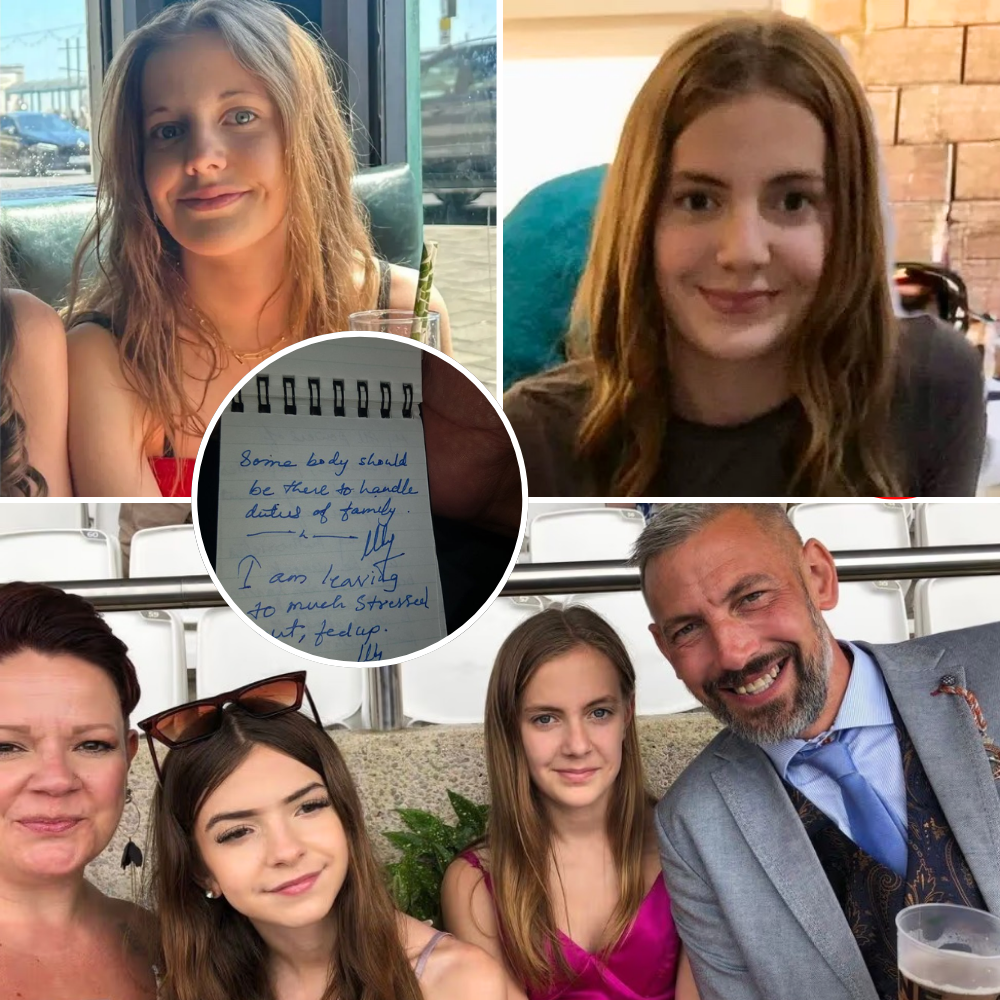
Mum Went to Wake Her 12-Year-Old for School… Instead Found Amelia Dead After Relentless Snapchat Torment 😭 Last Night She Was Happy & Laughing – The Devastating Details Inside
A cheerful 12-year-old girl with a smile that warmed every room spent her final evening wrapped in the simple joys of family life, laughing freely while sharing fish and chips at her grandparents’ house. No one could have predicted that the next morning would bring the kind of silence no parent should ever endure. On […]

👀 American Idol Judges Stunned by Braden Rumfelt’s Voice After Two Major Surgeries Destroyed His Baseball Career — His Comeback Story Is Unbelievable! 😱
The spotlights in the American Idol audition room pulsed with that familiar electric hum as 22-year-old Braden Rumfelt stepped forward, guitar slung over his shoulder, his twin brother Kellen right beside him with fingers poised on the strings. Murphy, North Carolina, felt a world away in that moment—the small-town life of substitute teaching, quiet family […]
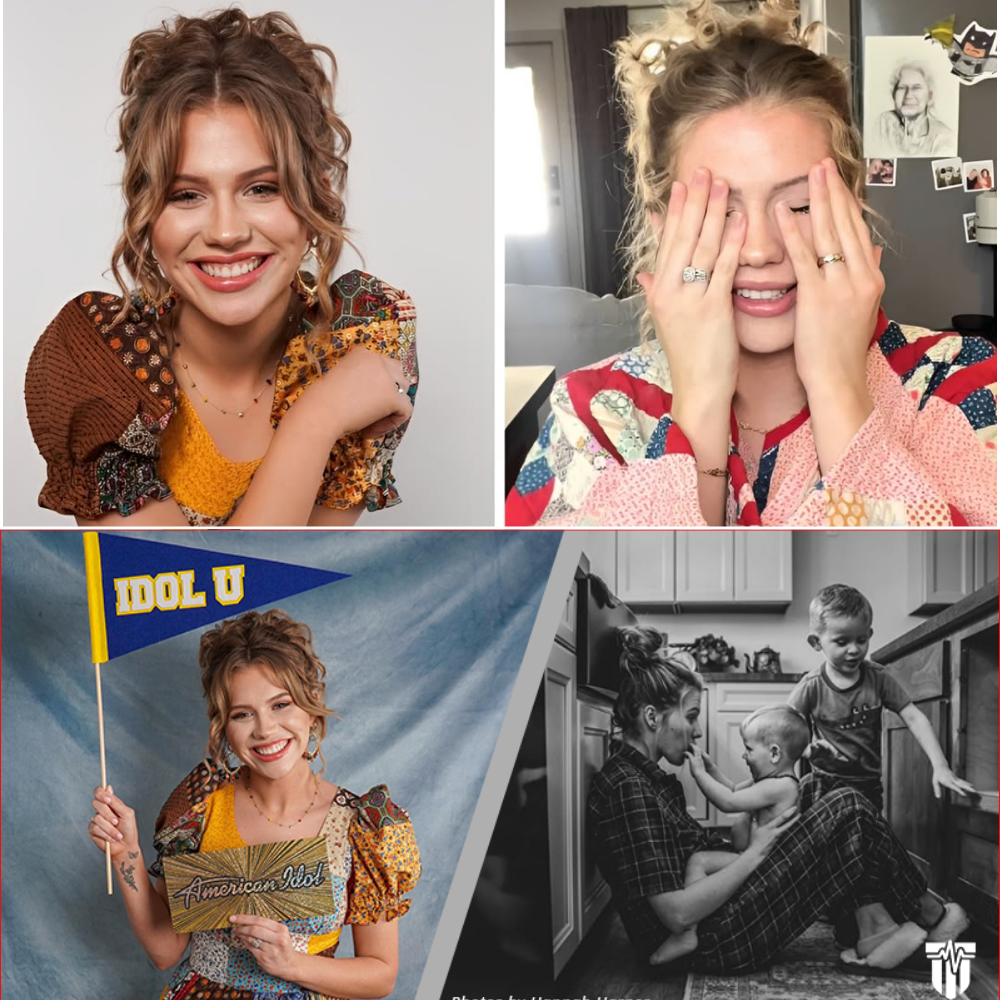
😲 She Wrote “String Cheese” While Battling Postpartum Depression… Now Hannah Harper Is Stealing American Idol! Her Incredible Journey Will Inspire You ❤️
The Hawaiian stage lights bathed the Aulani Resort in a golden glow as 25-year-old Hannah Harper, a stay-at-home mom from the tiny town of Bunker, Missouri, gripped the microphone with the same quiet determination she once used to wrangle three rambunctious boys through a long day of laundry and snacks. Her homemade patchwork dress shimmered […]
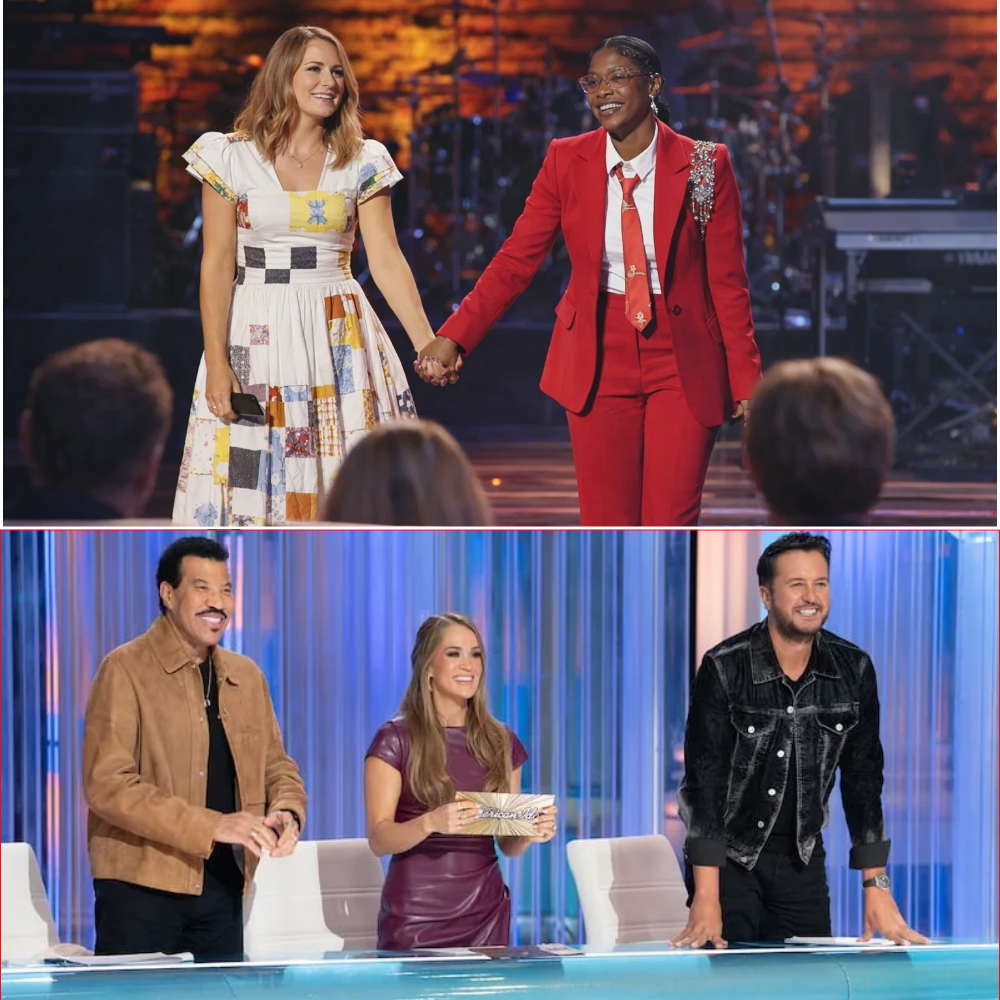
😱 American Idol Top 20 Poll SHOCK: Hannah Harper & Keyla Richardson Dominate… But Who’s Going HOME Next? 😭 Who’s in Danger?
Hawaii’s sun-drenched shores at Disney’s Aulani Resort became the unlikely battlefield where American Idol Season 24’s Top 20 delivered heart-stopping performances that have left fans divided, judges stunned, and Gold Derby readers casting their clearest verdict yet on who might not survive America’s vote. With the first live results episode looming on March 30, the […]
😱💔 Kimmie Standing On The Rooftop With That USB Drive Has Fans Terrified — Is She About To Destroy The Entire Bellarie Empire? 👀
The first explosive trailer for Beauty in Black Season 2 Part 2 is here — and everything shifts fast. The new footage shows Kimmie stepping fully into her power with zero hesitation, but one bold move has fans in total shock. Is she protecting herself… or setting something much bigger in motion? The stakes feel […]

💥 “Is The Baby Okay?” — Virgin River Season 7 Finale Left One Devastating Clue About Mel & Jack’s Child That Changes Everything 😭
Netflix just dropped the news everyone has been waiting for: Virgin River is officially returning for Season 7 — and fans are already bracing for another emotional chapter. The release date and exact drop time are now confirmed, meaning the next wave of romance, heartbreak, and small-town secrets is closer than expected. But one storyline […]
End of content
No more pages to load