Echoes of a Rock Legend: Brad Arnold’s Brave Battle, Heartbreaking Farewell, and the Eternal Legacy of 3 Doors Down

The world of rock music dimmed a little brighter on February 7, 2026, when Brad Arnold, the charismatic frontman and founding force behind 3 Doors Down, slipped away at the age of 47. His passing, announced in a somber Instagram post by the band, sent shockwaves through fans who had followed his journey from Mississippi garages to global stadiums. Arnold’s death came after a valiant fight against a rare and aggressive form of kidney cancer, a battle he faced with the same unflinching grit that defined his lyrics and performances. But it was his final social media post—a simple, joyful snapshot from Christmas—that has become the epicenter of grief, flooded with tributes that capture the profound impact of a man whose voice soundtracked millions of lives.
Born Bradley Kirk Arnold on September 27, 1978, in the small town of Escatawpa, Mississippi, Arnold’s story is one of humble beginnings and meteoric rise. Growing up in the Deep South, where music was as much a part of the landscape as the humid air and winding rivers, he discovered his passion early. As a teenager, Arnold pounded the drums in local bands, channeling the raw energy of grunge and alternative rock that dominated the ’90s airwaves. It was in 1996 that he, along with guitarist Matt Roberts and bassist Todd Harrell, formed 3 Doors Down—named after a sign on a building they rehearsed in. Arnold, initially the drummer, stepped up to the microphone when the band needed a vocalist, a decision that would catapult them to stardom. His voice, gravelly yet soulful, carried the weight of personal stories, turning everyday struggles into anthems that resonated across generations.
The band’s breakthrough came in 2000 with their debut album, “The Better Life,” and the smash hit “Kryptonite.” The song, with its infectious riff and Arnold’s introspective lyrics about vulnerability and heroism—”If I go crazy then will you still call me Superman?”—topped the Billboard Modern Rock Tracks chart for 11 weeks and crossed over to mainstream success. It wasn’t just a hit; it was a cultural phenomenon, featured in movies, TV shows, and countless playlists. 3 Doors Down followed up with albums like “Away from the Sun” (2002), which spawned the poignant “Here Without You,” a ballad that became a staple for soldiers deployed overseas and lovers separated by distance. Arnold’s songwriting often delved into themes of loss, redemption, and resilience, drawing from his own experiences with addiction, relationships, and the pressures of fame.
By the mid-2000s, 3 Doors Down had sold over 20 million albums worldwide, earned Grammy nominations, and toured relentlessly. Arnold’s stage presence was electric—he commanded arenas with a mix of humility and intensity, often sharing stories between songs that made fans feel like old friends. Offstage, he was known for his philanthropy, supporting causes like military veterans through the band’s Better Life Foundation, which he founded in 2003. The organization raised millions for children’s charities and disaster relief, reflecting Arnold’s deep-rooted values of community and giving back. “Music saved me,” he once said in an interview, “and I want to use it to save others.”
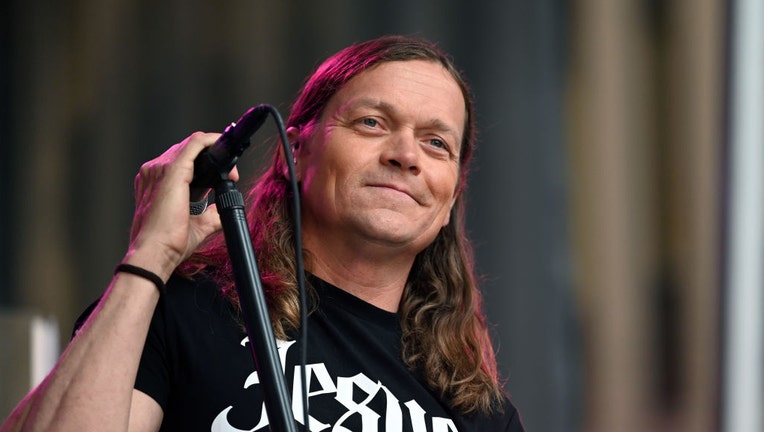
But beneath the spotlight, Arnold faced personal demons. He openly discussed his struggles with alcohol, achieving sobriety in 2016 after a life-changing intervention. “I hit rock bottom,” he admitted in a 2018 podcast, “but getting clean was the best decision I ever made. It gave me clarity, and it saved my marriage.” That marriage, to Jennifer Sanderford, whom he wed in 2013, became a cornerstone of his life. The couple shared a quiet existence in Nashville, Tennessee, away from the chaos of touring, with their beloved dog often featured in social media glimpses of their happiness. Fans adored these personal touches, seeing Arnold not just as a rock star but as a relatable everyman.
The shadow of illness crept in subtly at first. In May 2025, Arnold was diagnosed with clear cell renal carcinoma, a rare kidney cancer that had already metastasized to his lungs, classifying it as Stage 4. The news forced the cancellation of the band’s much-anticipated Away from the Sun Anniversary Tour, a blow to fans who had waited years to hear classics live again. Arnold broke the news in an emotional video on social media, his voice steady but eyes betraying the gravity. “I’ve got cancer,” he said plainly. “It’s in my kidney and has spread to my lungs. But I have no fear. I really, sincerely am not scared of it at all.” His words, delivered with a peaceful resolve, inspired thousands, turning a personal crisis into a message of faith and acceptance. He credited his Christian beliefs for his calm, often quoting scripture in updates that blended vulnerability with hope.
Throughout his treatment, Arnold remained connected to his fans via Instagram, sharing updates on chemotherapy sessions, hospital visits, and moments of joy amid the pain. He documented the physical toll—the hair loss, the fatigue—but always with a positive spin. “God’s got this,” he’d write, accompanied by selfies from doctor’s offices or quiet evenings at home. These posts humanized him further, drawing in not just longtime supporters but new admirers moved by his courage. The music community rallied around him; fellow artists like Kid Rock and Nickelback’s Chad Kroeger sent public messages of support, while fans organized prayer chains and fundraisers for cancer research.

As 2025 drew to a close, Arnold’s health declined, though he masked it with optimism. His final social media post, shared on Boxing Day—December 26, 2025—captures a poignant snapshot of gratitude in the face of impending loss. The photo shows Arnold, looking frail but beaming, standing arm-in-arm with Jennifer in front of a twinkling Christmas tree. Their dog sits at their feet, adding a touch of warmth to the festive scene. The caption reads: “Merry Christmas everybody. I can’t tell ya how thankful I am to be here!” At the time, fans responded with holiday cheer, unaware it would be his last words to the world. Comments poured in: “Looking good, Brad! Keep fighting!” and “Merry Christmas to you and yours—praying for a miracle.”
Just over a month later, on February 7, 2026, Arnold passed away peacefully in his sleep, surrounded by loved ones, including Jennifer. The band’s official Instagram announcement broke the news: “With heavy hearts, we shared the news that Brad Arnold, founder, lead singer, and songwriter of 3 Doors Down, passed away on Saturday, February 7th, at the age of 47. The family is deeply grateful for the outpouring of love and support during this difficult time and kindly asks that their privacy be respected. He will be deeply missed and forever remembered.” The post, accompanied by a black-and-white photo of Arnold onstage, his microphone raised triumphantly, triggered an avalanche of sorrow.
In the hours following the announcement, fans flocked to Arnold’s final Christmas post, transforming it into a digital memorial. The comments section, once filled with seasonal greetings, now overflows with heartfelt tributes that paint a vivid picture of his influence. One fan wrote: “You are with our beloved creator now. My heart breaks for your beautiful family, friends, loved ones and fans. Soar high Brad. You are dearly missed Sir.” Another added: “You will be so missed! We will all see you on the other side brother.” The messages vary in tone—some poetic, others raw—but all echo a shared sense of loss. “Rest in peace king,” reads one succinct homage, while a more elaborate one states: “We love you Brad, rock out up there.” A particularly touching comment reflects on his music’s legacy: “Thank you for the amazing music through the years. I was hoping to get to see you guys live one day. May you be at the truest peace that exists within the fabric of our universe. And to any of his family and friends reading — may your hearts be led to whatever comfort and solace can come at such a time. Be blessed, now and eternally.”
Social media platforms buzzed with reactions beyond Instagram. On X (formerly Twitter), hashtags like #RIPBradArnold and #3DoorsDown trended globally, with users sharing personal stories. One tweet recounted: “Brad’s voice got me through my toughest days. ‘Here Without You’ was my anthem during deployment. Gone too soon.” Celebrities joined the chorus; country star Blake Shelton posted: “Brad was a fighter and a true talent. Prayers for his family.” Even non-musicians, like actor Mark Wahlberg, who had collaborated with the band on patriotic events, expressed condolences: “Lost a good one today. Brad’s spirit will live on.”
Arnold’s death prompts reflection on the fragility of life in the rock world, where icons often burn bright but fade fast. Comparisons to other losses—like Chris Cornell or Chester Bennington—highlight the mental and physical toll of the industry. Yet Arnold’s story stands out for its grace; he faced mortality not with despair but with faith, inspiring fans to cherish every moment. His lyrics, now imbued with new meaning, take on prophetic tones. In “It’s Not My Time,” he sang: “Looking back at the beginning of this / And how life was / Just you and me and love and all of our friends / Living life like an ocean.” Fans are revisiting these tracks, finding solace in the very words that once uplifted them.
The band’s future remains uncertain. With Arnold as the irreplaceable voice and creative heart, 3 Doors Down may retire or evolve, but his imprint is indelible. Surviving members—guitarists Chet Roberts and Chris Henderson, bassist Justin Biltonen, and drummer Greg Upchurch—issued a joint statement: “Brad wasn’t just our singer; he was our brother. His passion fueled us all. We’ll honor him by keeping his music alive.” Plans for tribute concerts or memorial albums are already whispered in industry circles, with proceeds likely benefiting cancer research.
For Jennifer Arnold, the loss is profoundly personal. The couple, who met in 2010 and married three years later, shared a bond that fans admired. Jennifer often appeared in Arnold’s posts, her support unwavering during his illness. In a rare public statement post-diagnosis, she said: “Brad’s strength amazes me every day. We’re in this together.” Now, as she navigates widowhood, the music community has pledged support, with GoFundMe campaigns raising funds for her and the Better Life Foundation.
Arnold’s legacy extends beyond charts and stages. He mentored young musicians in Mississippi, funding music programs in underprivileged schools. His sobriety journey inspired recovery groups, where he spoke candidly about redemption. “Addiction doesn’t define you,” he’d say. “What you do after does.” In death, he becomes a symbol of perseverance, his final post a testament to gratitude amid adversity.
As tributes continue to pour in, from sold-out vigil concerts in Escatawpa to fan art flooding online forums, one thing is clear: Brad Arnold didn’t just make music; he touched souls. His voice, forever etched in hits like “When I’m Gone” and “Loser,” will echo through playlists for decades. In a world quick to forget, Arnold’s story reminds us to hold tight to those we love, to fight with grace, and to be thankful for every breath. Rest easy, Superman—you’ve earned your peace.
News
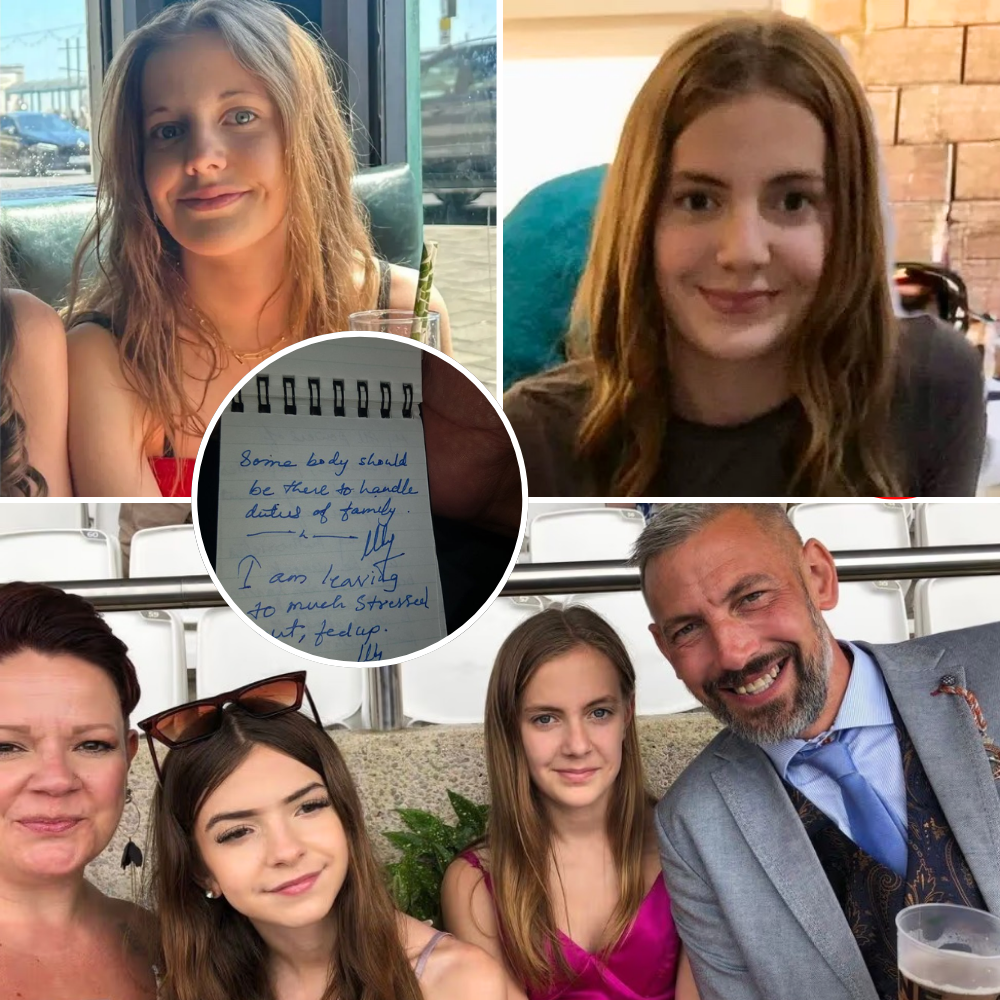
Mum Went to Wake Her 12-Year-Old for School… Instead Found Amelia Dead After Relentless Snapchat Torment 😭 Last Night She Was Happy & Laughing – The Devastating Details Inside
A cheerful 12-year-old girl with a smile that warmed every room spent her final evening wrapped in the simple joys of family life, laughing freely while sharing fish and chips at her grandparents’ house. No one could have predicted that the next morning would bring the kind of silence no parent should ever endure. On […]
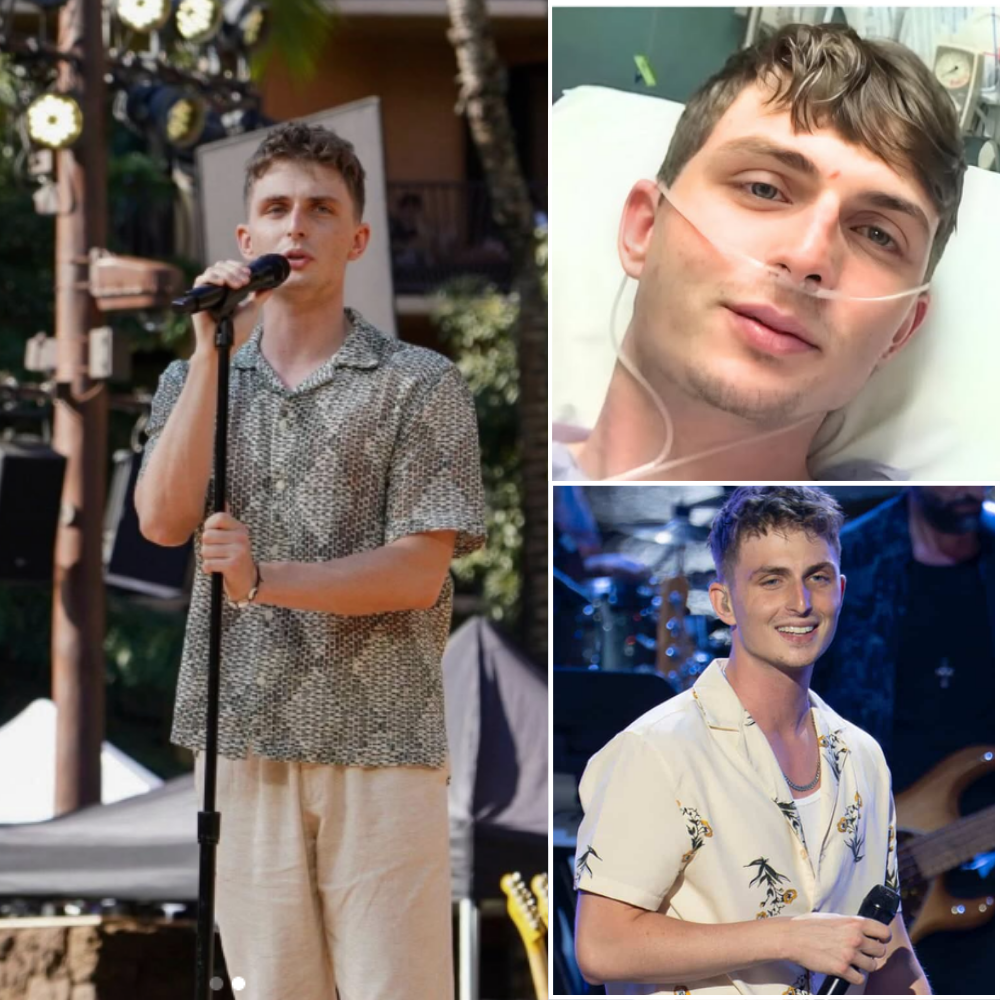
👀 American Idol Judges Stunned by Braden Rumfelt’s Voice After Two Major Surgeries Destroyed His Baseball Career — His Comeback Story Is Unbelievable! 😱
The spotlights in the American Idol audition room pulsed with that familiar electric hum as 22-year-old Braden Rumfelt stepped forward, guitar slung over his shoulder, his twin brother Kellen right beside him with fingers poised on the strings. Murphy, North Carolina, felt a world away in that moment—the small-town life of substitute teaching, quiet family […]
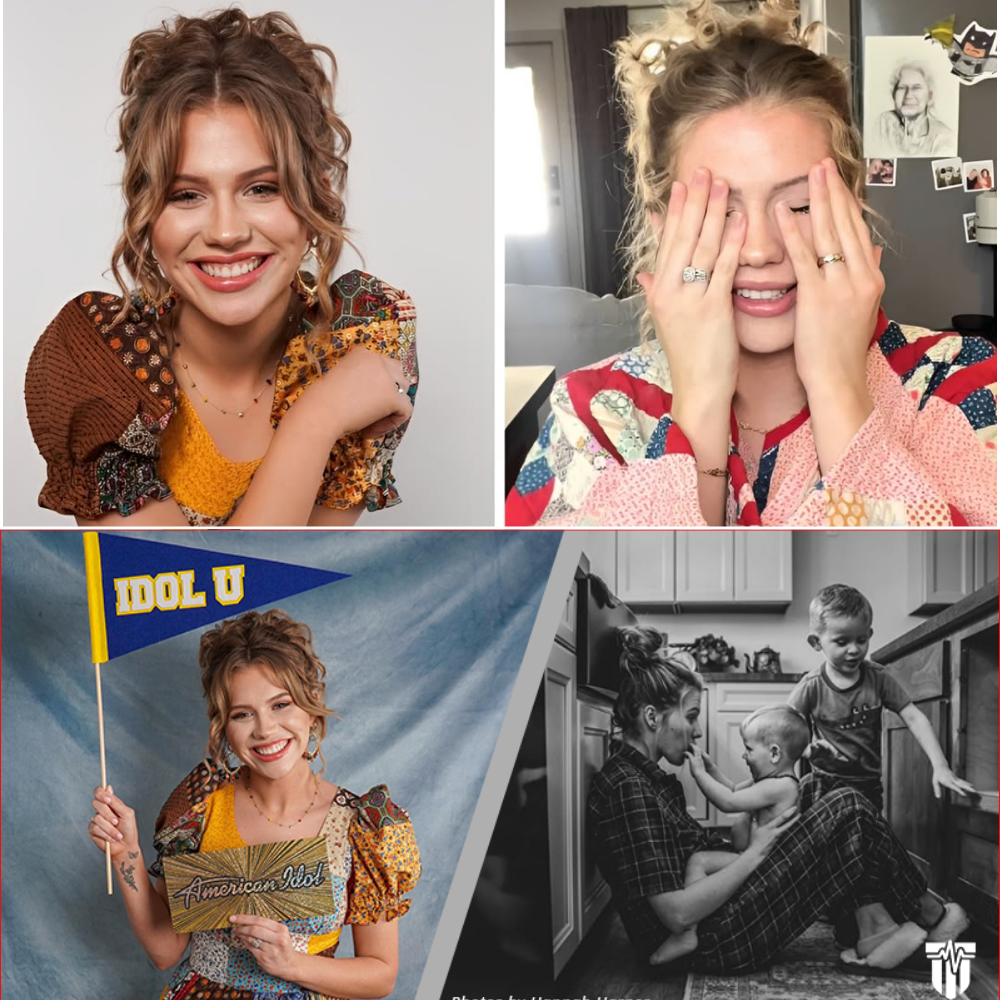
😲 She Wrote “String Cheese” While Battling Postpartum Depression… Now Hannah Harper Is Stealing American Idol! Her Incredible Journey Will Inspire You ❤️
The Hawaiian stage lights bathed the Aulani Resort in a golden glow as 25-year-old Hannah Harper, a stay-at-home mom from the tiny town of Bunker, Missouri, gripped the microphone with the same quiet determination she once used to wrangle three rambunctious boys through a long day of laundry and snacks. Her homemade patchwork dress shimmered […]

😱 American Idol Top 20 Poll SHOCK: Hannah Harper & Keyla Richardson Dominate… But Who’s Going HOME Next? 😭 Who’s in Danger?
Hawaii’s sun-drenched shores at Disney’s Aulani Resort became the unlikely battlefield where American Idol Season 24’s Top 20 delivered heart-stopping performances that have left fans divided, judges stunned, and Gold Derby readers casting their clearest verdict yet on who might not survive America’s vote. With the first live results episode looming on March 30, the […]
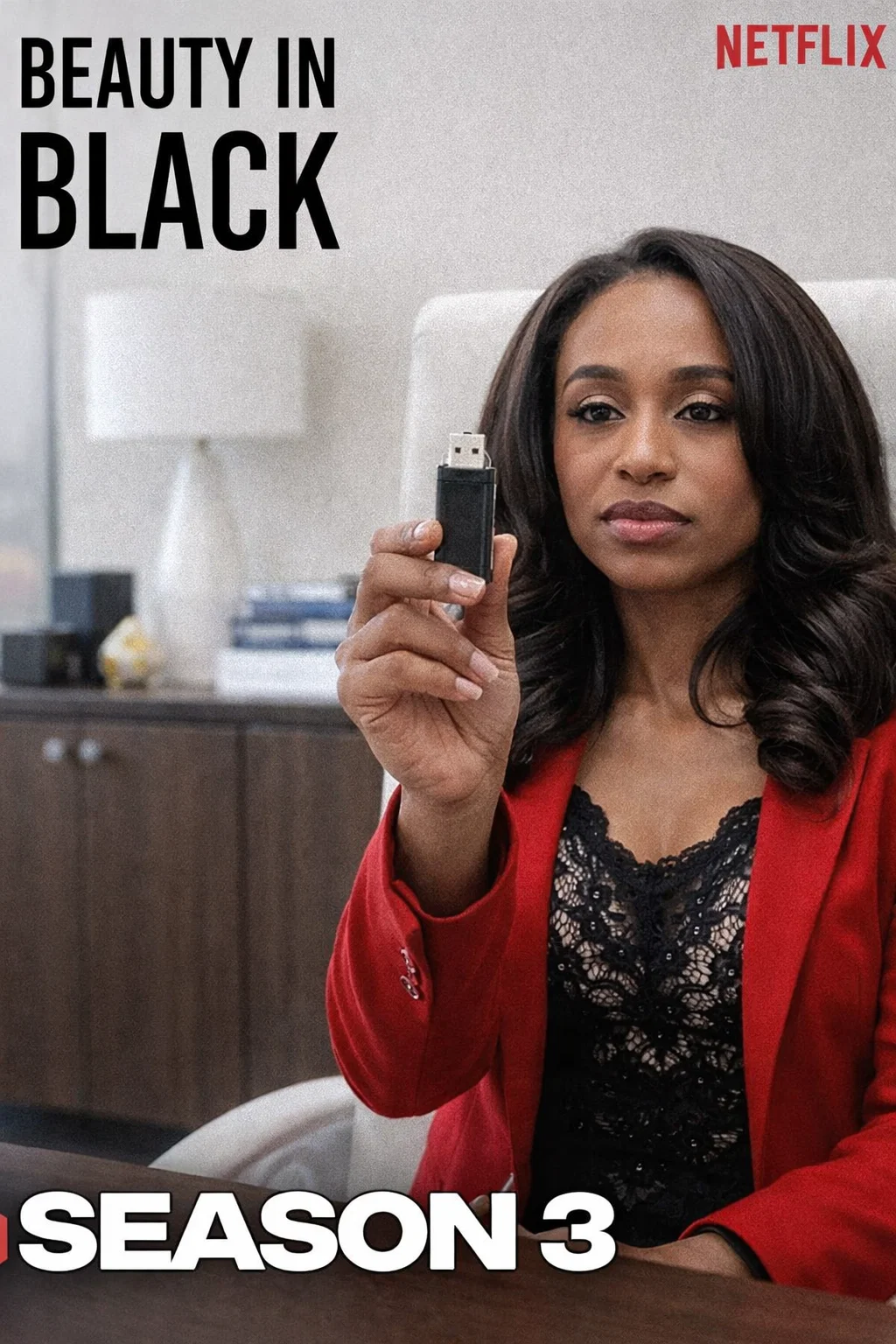
😱💔 Kimmie Standing On The Rooftop With That USB Drive Has Fans Terrified — Is She About To Destroy The Entire Bellarie Empire? 👀
The first explosive trailer for Beauty in Black Season 2 Part 2 is here — and everything shifts fast. The new footage shows Kimmie stepping fully into her power with zero hesitation, but one bold move has fans in total shock. Is she protecting herself… or setting something much bigger in motion? The stakes feel […]
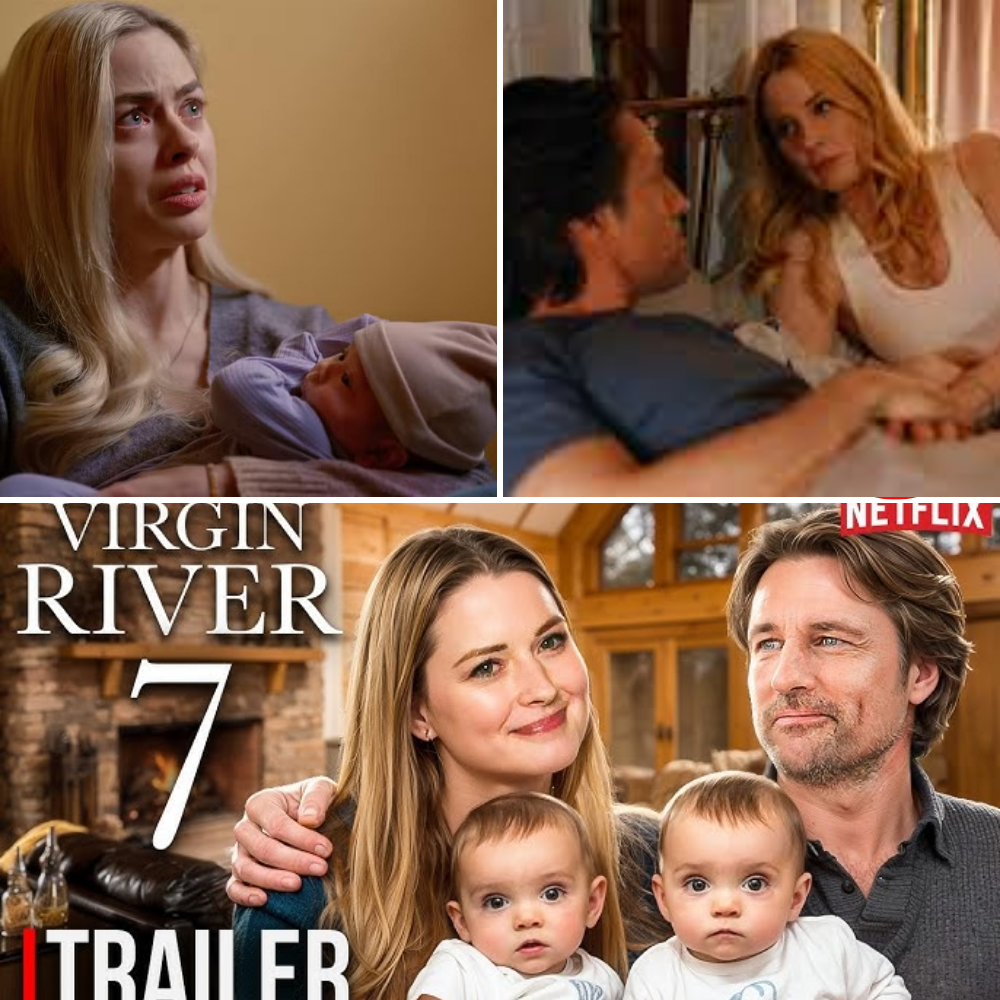
💥 “Is The Baby Okay?” — Virgin River Season 7 Finale Left One Devastating Clue About Mel & Jack’s Child That Changes Everything 😭
Netflix just dropped the news everyone has been waiting for: Virgin River is officially returning for Season 7 — and fans are already bracing for another emotional chapter. The release date and exact drop time are now confirmed, meaning the next wave of romance, heartbreak, and small-town secrets is closer than expected. But one storyline […]
End of content
No more pages to load