Hannah Harper’s rendition of Miranda Lambert’s signature ballad “The House That Built Me” during her Hollywood Week performance on American Idol Season 24 has become the moment everyone is talking about. What began as a seemingly safe song choice quickly turned into something far more intimate and emotionally naked. From the opening acoustic guitar strum to the final, hushed note, Harper stripped the track back to its emotional bones and delivered a version that felt both deeply respectful of the original and unmistakably her own.
The performance aired on February 12, 2026, during the second night of Hollywood Week solo rounds. Harper walked onto the dimly lit stage wearing a simple cream sundress and her signature cowboy boots, guitar slung low across her body. She sat on a single stool under a warm spotlight — no band, no backing track, just her voice and her instrument. When she began singing, the studio audience — usually restless during auditions — fell into a rare, almost reverent silence.
The song itself is already one of country music’s most cherished modern classics. Miranda Lambert released it in 2010 as the third single from her album Revolution. It won Song of the Year at both the CMA and ACM Awards and became a staple of country radio for more than a decade. The lyrics — a nostalgic plea to return to the house where childhood memories were made — resonate deeply with anyone who has ever gone back to a childhood home only to find it changed or gone entirely.
Harper’s version didn’t try to imitate Lambert’s original delivery. Instead, she leaned into her own lived experience: growing up in a musical family that spent years on the road in a tour bus, then building a home of her own with her husband and three young boys. Her voice — warm, slightly husky, with a natural catch on the high notes — carried a lived-in quality that made lines like “I thought if I could touch this place or feel it / This brokenness inside me might start healing” feel newly personal. When she sang the chorus, her eyes closed briefly, and the vulnerability was unmistakable.

The judges were visibly affected. Luke Bryan leaned forward in his chair, hand over his mouth. Lionel Richie wiped his eyes and simply shook his head. Carrie Underwood — who has long cited Lambert as a major influence — stood up before the song even ended, applauding with tears streaming down her face. “That was so beautiful,” Underwood said when Harper finished. “You didn’t just sing it — you lived it. That’s what makes a song last forever.”
The performance has since become one of the most shared clips from this season. Within 24 hours, the official Idol upload surpassed 28 million views. Fan reaction videos flooded TikTok and YouTube — many showing viewers crying openly, pausing to catch their breath, or rewinding to hear certain lines again. Comments poured in: “She made me miss a house I haven’t lived in for 20 years,” “This is what country music is supposed to feel like,” “Miranda would be proud,” and “I didn’t know I needed this version until right now.”
What makes Harper’s take so powerful is how naturally it fits her own story. She grew up in a family band (The Harper Collective), touring full-time from age 10 after her parents sold their house to pursue music ministry. She lived on a tour bus for seven years, performing in churches and small venues across the country. That nomadic childhood gave way to a settled life: she married young, built a home with her husband, and became a mother of three boys. “The House That Built Me” — a song about returning to a childhood home that no longer exists in the same form — suddenly carried extra layers when sung by someone who literally had no fixed childhood home for much of her formative years.
Fans have noted how Harper’s delivery adds a new dimension to the lyrics. Where Lambert’s original feels like a nostalgic ache for a specific place, Harper’s version feels like a meditation on the idea of home itself — not a building, but the people and memories that make a place sacred. Her slight rasp on lines like “I thought if I could just come home / I’d be okay” lands differently when you know she spent her childhood searching for that sense of permanence.
The performance has also reignited curiosity about what Harper will choose next on the show. Hollywood Week is notoriously unpredictable — contestants are often pushed outside their comfort zones — but her take on “The House That Built Me” has proven she can handle both vulnerability and vocal power. Judges and producers have hinted that she is being watched closely as a potential frontrunner, not just for her voice but for her ability to connect emotionally with a live audience and the viewing public.
Online, the conversation has moved beyond the song itself. Fans are compiling playlists of Harper’s earlier covers and originals, noting how consistently she chooses material that feels personal rather than trendy. Many are already predicting she’ll lean into classic country storytelling in future rounds, possibly tackling more Lambert songs, Patty Loveless ballads, or even Trisha Yearwood material. Others hope she’ll bring more originals — especially after “String Cheese” (her postpartum depression song from the audition round) proved she can write from the heart.
For now, the focus remains on the moment itself. A young mother, former tour-bus kid, and lifelong singer stood alone on one of television’s biggest stages and sang a song about home — knowing full well that her own childhood home was a moving bus and her current home is the one she built with her husband and children. The authenticity of that lived experience bled through every note, turning a familiar song into something that felt brand new.
Hannah Harper didn’t just perform “The House That Built Me.” She reminded everyone watching why certain songs become classics: because they speak to something universal, and when the right voice sings them, they speak directly to you.
News
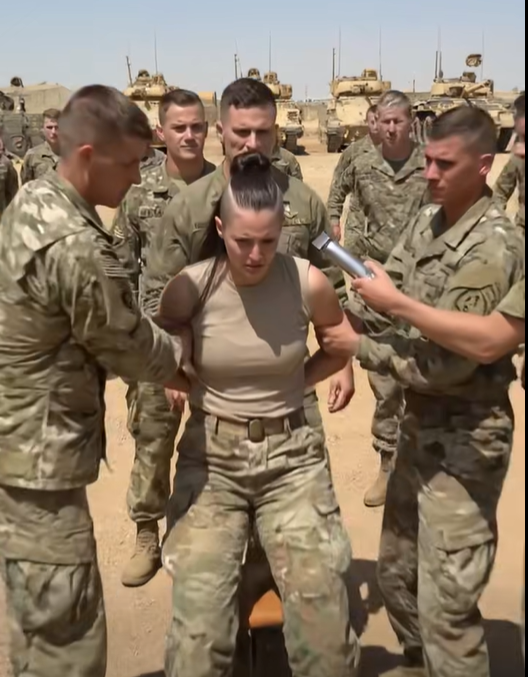
“Shave Her Head,” the Sergeant Ordered Coldly. “If Discipline Won’t Break Her, Maybe Humiliation Will.” But What They Didn’t Know Was That the Woman They Underestimated Would Bring Their Entire Base to Its Knees.
General Alexander Vance had heard the whispers for months: Fort Blackwood was rotting from within. Soldiers spoke in hushed tones of systematic humiliation disguised as “discipline,” falsified training records, missing supply funds that somehow vanished into private accounts, and a toxic command climate built on fear and intimidation. Every official inspection came back sparkling clean […]
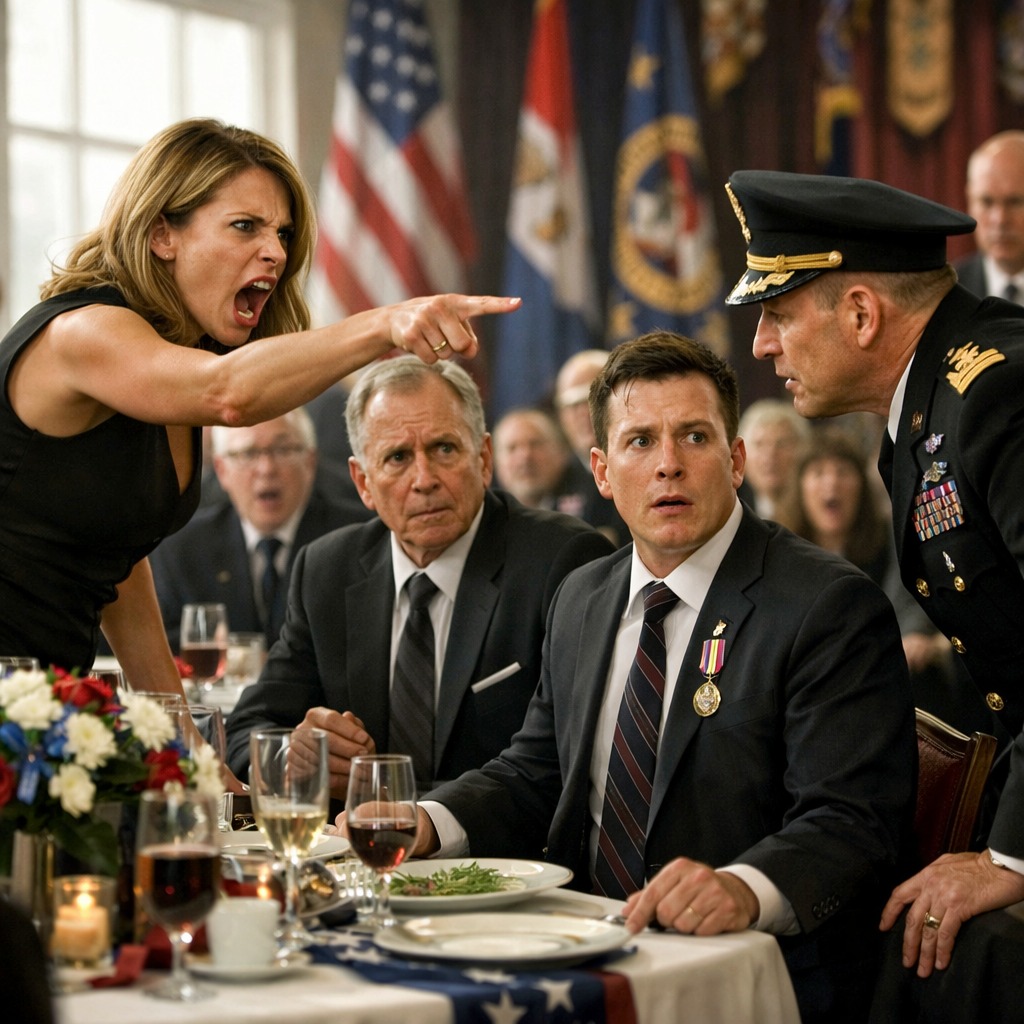
At A Veterans’ Dinner, The Colonel Leaned Toward My Brother And Asked One Simple Question: “Can You Tell Me How You Earned This Decoration, Son?” His Face Turned White. He Pointed At My Father And Said: “He Told Me It Belonged To Our Uncle.” The Uncle Never Existed.
The Ridgewood Armory smelled like every other veterans’ event I’d ever attended: floor wax, overcooked chicken, old coffee, and the faint metallic tang of too many American flags. Fluorescent lights buzzed overhead, casting a harsh glow on rows of folding tables and men in ill-fitting blazers trying to look like they still belonged in uniform. […]
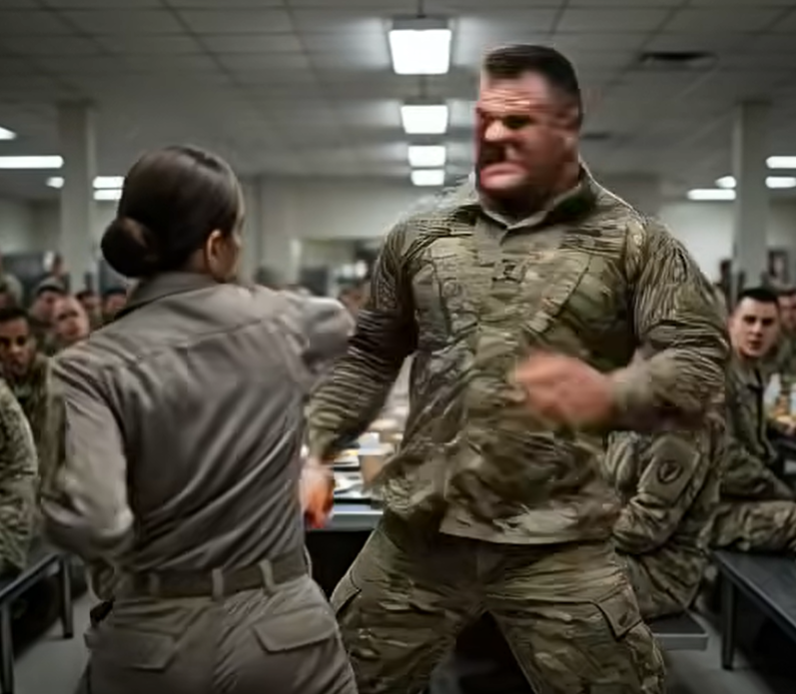
“Die, B*tch,” He Spat, Swinging a Massive Fist in the Mess Hall. He Thought I Was an Easy Target — He Had No Idea He Just Attacked a Classified SEAL Shadow Operative.
I was running on fumes. Seventy-two hours of off-the-books reconnaissance in the frozen Alaskan wilderness had left every muscle screaming. My joints ached from crawling through ice-crusted snow, my eyes burned from staring through night-vision gear, and the only thing keeping me upright was the promise of a hot meal and twelve hours of blackout […]
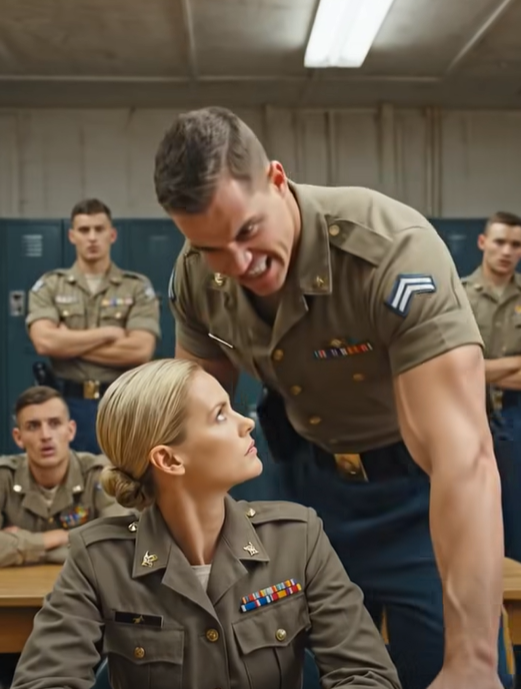
“Do You Know Who I Am?” He Pushed Her — Seconds Later, One ID Card Ended His Career
The dim lights of Rusty’s Bar flickered like dying stars just outside Camp Pendleton. It was a Friday night, the kind where Marines came to forget the sand and the screams they carried home from deployment. I had come here for the opposite reason — to disappear. My name is Commander Thalia Renwick. Highly decorated […]

15 Years After My Dad Kicked Me Out, I Saw Him At My Sister’s Wedding. He Sneered: “If It Wasn’t For Pity, No One Would’ve Invited You.” I Just Smiled And Sipped My Wine. Then The Bride Took The Mic And Changed Everything.
The South Carolina sun was merciless that June afternoon, turning the outdoor wedding venue into a glittering oven. I stood near the back in my crisp Army dress uniform, the brass buttons and medals catching the light with every breath. At 34 years old, I had come home for my little sister’s wedding — the […]
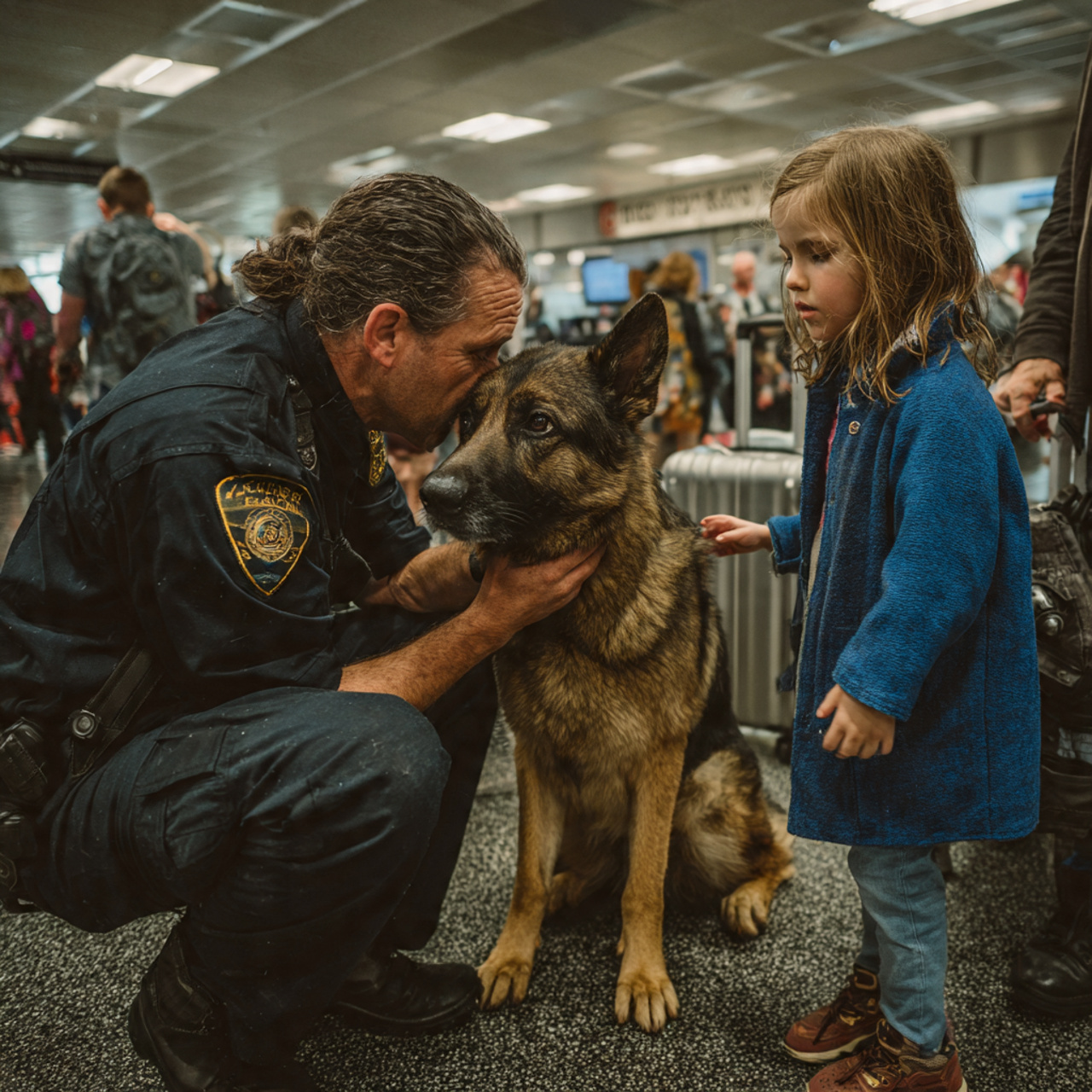
“A POLICE DOG FROZE IN THE AIRPORT. THEN A LITTLE GIRL TAPPED HIS HEAD. WHAT HAPPENED NEXT MADE EVERY TRAVELER STOP. HAVE YOU EVER WITNESSED A SILENT CRY FOR HELP?
The bustling international airport was a whirlwind of rolling suitcases, hurried announcements, and weary travelers rushing to their gates. Officer Liam Mercer patrolled the terminal with his loyal K9 partner, Rex — a highly trained German Shepherd known for his sharp instincts in detection and child safety operations. Everything seemed routine until Rex suddenly froze […]
End of content
No more pages to load