The silence that followed Brad Arnold’s final Instagram post on December 26, 2025, carried a quiet weight few could have foreseen. In a simple photo, the lead singer of 3 Doors Down knelt beside his wife Jennifer Sanderford and their beloved pet dog in front of a modest Christmas tree, lights twinkling softly in the background. Arnold, looking frail but genuinely content, captioned the image with words that now resonate as both a celebration and a farewell: “Merry Christmas everybody. I can’t tell ya how thankful I am to be here!” Six weeks later, on February 7, 2026, the 47-year-old rocker passed away peacefully in his sleep, surrounded by loved ones. The cause was clear cell renal carcinoma—a rare and aggressive form of kidney cancer diagnosed at stage 4 in May 2025, which had metastasized to his lungs. What began as a private battle became a public testament to courage, faith, and the enduring power of music, as fans worldwide flooded his page with tributes, transforming that last holiday snapshot into a digital memorial of grief and gratitude.
Arnold’s death marks the end of an era for 3 Doors Down, the Mississippi-born rock band he founded in 1996. Born Bradley Kirk Arnold on September 27, 1978, in Escatawpa, Mississippi, he grew up in a small Southern town where music was a lifeline. As a teenager, he started drumming for local bands, eventually forming 3 Doors Down with guitarist Matt Roberts and bassist Todd Harrell. The group took its name from a riddle Arnold once posed: “If you have three doors down and one is open, which one do you go through?” The answer: the one that’s open. That playful curiosity defined his early songwriting—simple, relatable lyrics wrapped in powerful riffs that spoke to everyday struggles and triumphs.
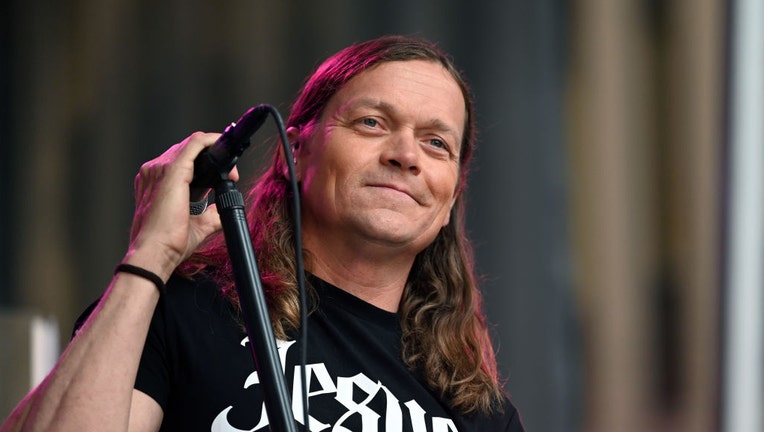
The band’s breakthrough came in 2000 with “Kryptonite,” a track Arnold wrote as a teenager. Originally recorded for a demo, it exploded after being played on a Biloxi radio station. The song’s infectious hook—”I took a walk around the world to ease my troubled mind”—and its theme of a hero questioning his own strength resonated deeply in the post-9/11 era. The debut album The Better Life (2000) went six-times platinum, selling over six million copies in the U.S. alone. Hits followed: “Here Without You,” a haunting ballad about longing that became an anthem for deployed soldiers; “Loser,” a raw confessional; and “When I’m Gone,” which captured the fleeting nature of life. Arnold, initially the drummer, transitioned to lead vocals after the band sought a dedicated frontman, proving his versatility. His gravelly, emotive voice—equal parts vulnerability and grit—became the band’s signature.
Over two decades, 3 Doors Down released six studio albums, sold more than 30 million records worldwide, and earned a Grammy nomination for “Kryptonite.” They toured relentlessly, headlining arenas and festivals, building a loyal fanbase that spanned generations. Arnold’s songwriting often drew from personal experience: addiction struggles (he achieved sobriety in 2016 and maintained it for over nine years), relationships, faith, and the quiet resilience of small-town life. In interviews, he described music as therapy, a way to process pain and connect with others who felt the same. “I’ve always said that if I can help one person through a song, then it’s worth it,” he once told a reporter.
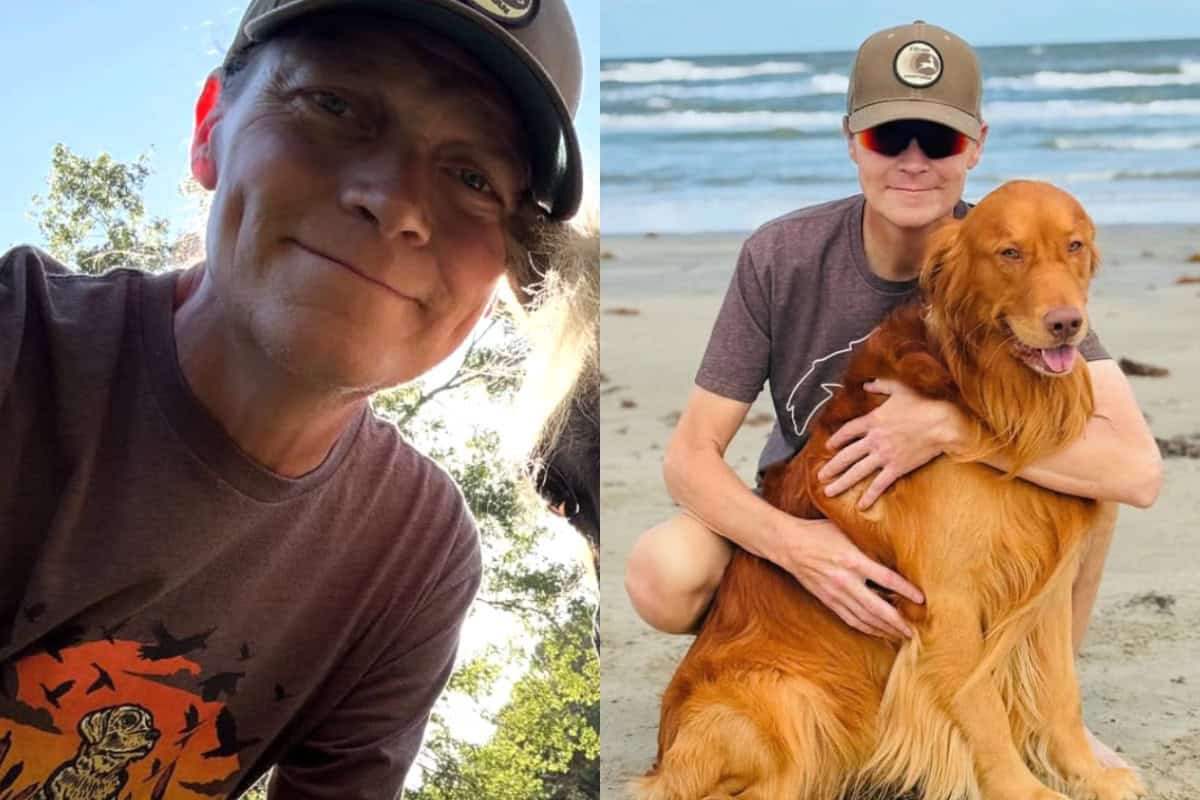
The diagnosis came in May 2025, shattering the band’s momentum. In a raw, tearful video posted to Instagram, Arnold revealed the stage 4 clear cell renal carcinoma. “I have no fear,” he said calmly. “I really, sincerely am not scared of it at all.” He spoke of his faith: “God will continue to fight this for me… and God doesn’t fail. I love y’all!” The post went viral, drawing millions of views and an outpouring of support. Fans shared stories of how 3 Doors Down’s music had helped them through cancer battles, loss, and depression. The band canceled their summer tour to allow Arnold time for treatment, but he remained optimistic, posting updates that blended humor, gratitude, and spiritual strength.
That Christmas post—his last—captured a moment of pure joy amid the storm. Arnold, visibly thinner from treatment, smiled beside Jennifer, their dog nestled between them. The caption’s simplicity—”I can’t tell ya how thankful I am to be here!”—struck a chord. It wasn’t bravado; it was genuine appreciation for another holiday, another day with family. After his passing, the post became a shrine. Thousands flooded the comments: “You are with our beloved creator now. My heart breaks for your beautiful family… Soar high Brad. You are dearly missed Sir.” Another wrote, “Rest in peace king. We will all see you on the other side brother.” A fan shared, “Thank you for the amazing music through the years… May your hearts be led to whatever comfort and solace can come at such a time.”
The band’s official statement, posted February 8, reflected shared grief: “With heavy hearts, we share the news that Brad Arnold, founder, lead singer, and songwriter of 3 Doors Down, passed away on Saturday, February 7th, at the age of 47. With his beloved wife Jennifer and his family by his side, he passed away peacefully, surrounded by loved ones, in his sleep, after a courageous battle with cancer.” They described him as a “devoted husband” whose “kindness, humor, and generosity touched everyone fortunate enough to know him.” The family requested privacy while expressing deep gratitude for the support.
Arnold’s legacy extends beyond chart success. He co-wrote nearly every 3 Doors Down song, infusing them with themes of hope, perseverance, and human connection. “Here Without You” became a staple at military memorials; “Kryptonite” an anthem of self-doubt and redemption. His openness about addiction—admitting in interviews that music saved him—helped destigmatize recovery. In his final months, he modeled grace under pressure, refusing bitterness even as cancer spread. “I have no fear,” he repeated, a mantra that inspired countless followers.
Tributes poured in from across the industry. Former bandmates, including Matt Roberts (who left in 2012) and Todd Harrell (who battled his own issues), shared memories. Fellow rockers like Nickelback’s Chad Kroeger and Creed’s Scott Stapp posted condolences, acknowledging Arnold’s influence on post-grunge. Fans organized virtual listening parties, streaming The Better Life and sharing stories of concerts where Arnold’s energy filled arenas. One longtime supporter wrote: “Your voice carried me through some of the darkest nights. Thank you for never giving up.”
As the world mourns, 3 Doors Down’s music endures. Streams of their catalog surged overnight, with “Here Without You” trending on Spotify. Radio stations across the South played marathons, dedicating segments to Arnold’s life. In Escatawpa, his hometown, locals gathered at bars where he once played, toasting the boy who made it big without forgetting his roots.
Brad Arnold’s final words—”I can’t tell ya how thankful I am to be here”—echo as a reminder to cherish every moment. He left behind a catalog that comforted millions, a family that loved him deeply, and a legacy of courage that outlives the pain. In the quiet after the music stops, his voice still resonates: grateful, fearless, forever.
News
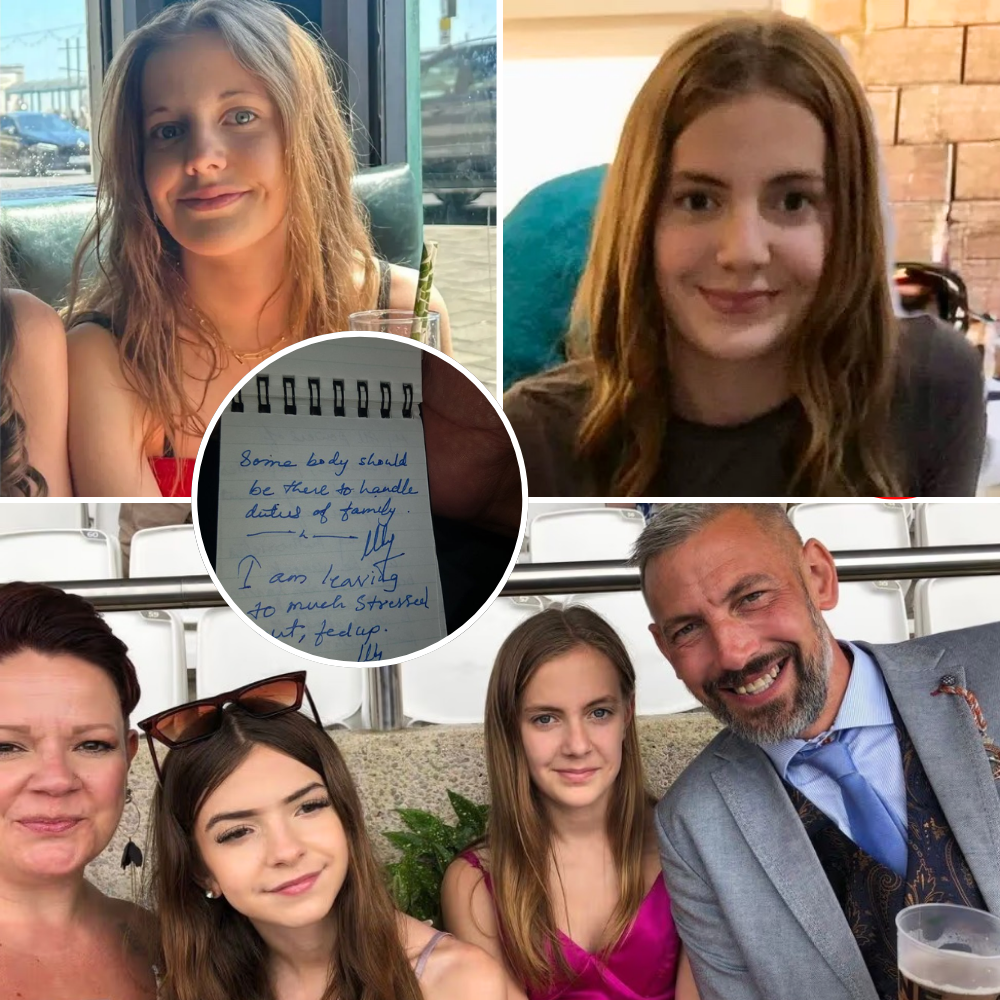
Mum Went to Wake Her 12-Year-Old for School… Instead Found Amelia Dead After Relentless Snapchat Torment 😭 Last Night She Was Happy & Laughing – The Devastating Details Inside
A cheerful 12-year-old girl with a smile that warmed every room spent her final evening wrapped in the simple joys of family life, laughing freely while sharing fish and chips at her grandparents’ house. No one could have predicted that the next morning would bring the kind of silence no parent should ever endure. On […]

👀 American Idol Judges Stunned by Braden Rumfelt’s Voice After Two Major Surgeries Destroyed His Baseball Career — His Comeback Story Is Unbelievable! 😱
The spotlights in the American Idol audition room pulsed with that familiar electric hum as 22-year-old Braden Rumfelt stepped forward, guitar slung over his shoulder, his twin brother Kellen right beside him with fingers poised on the strings. Murphy, North Carolina, felt a world away in that moment—the small-town life of substitute teaching, quiet family […]

😲 She Wrote “String Cheese” While Battling Postpartum Depression… Now Hannah Harper Is Stealing American Idol! Her Incredible Journey Will Inspire You ❤️
The Hawaiian stage lights bathed the Aulani Resort in a golden glow as 25-year-old Hannah Harper, a stay-at-home mom from the tiny town of Bunker, Missouri, gripped the microphone with the same quiet determination she once used to wrangle three rambunctious boys through a long day of laundry and snacks. Her homemade patchwork dress shimmered […]

😱 American Idol Top 20 Poll SHOCK: Hannah Harper & Keyla Richardson Dominate… But Who’s Going HOME Next? 😭 Who’s in Danger?
Hawaii’s sun-drenched shores at Disney’s Aulani Resort became the unlikely battlefield where American Idol Season 24’s Top 20 delivered heart-stopping performances that have left fans divided, judges stunned, and Gold Derby readers casting their clearest verdict yet on who might not survive America’s vote. With the first live results episode looming on March 30, the […]
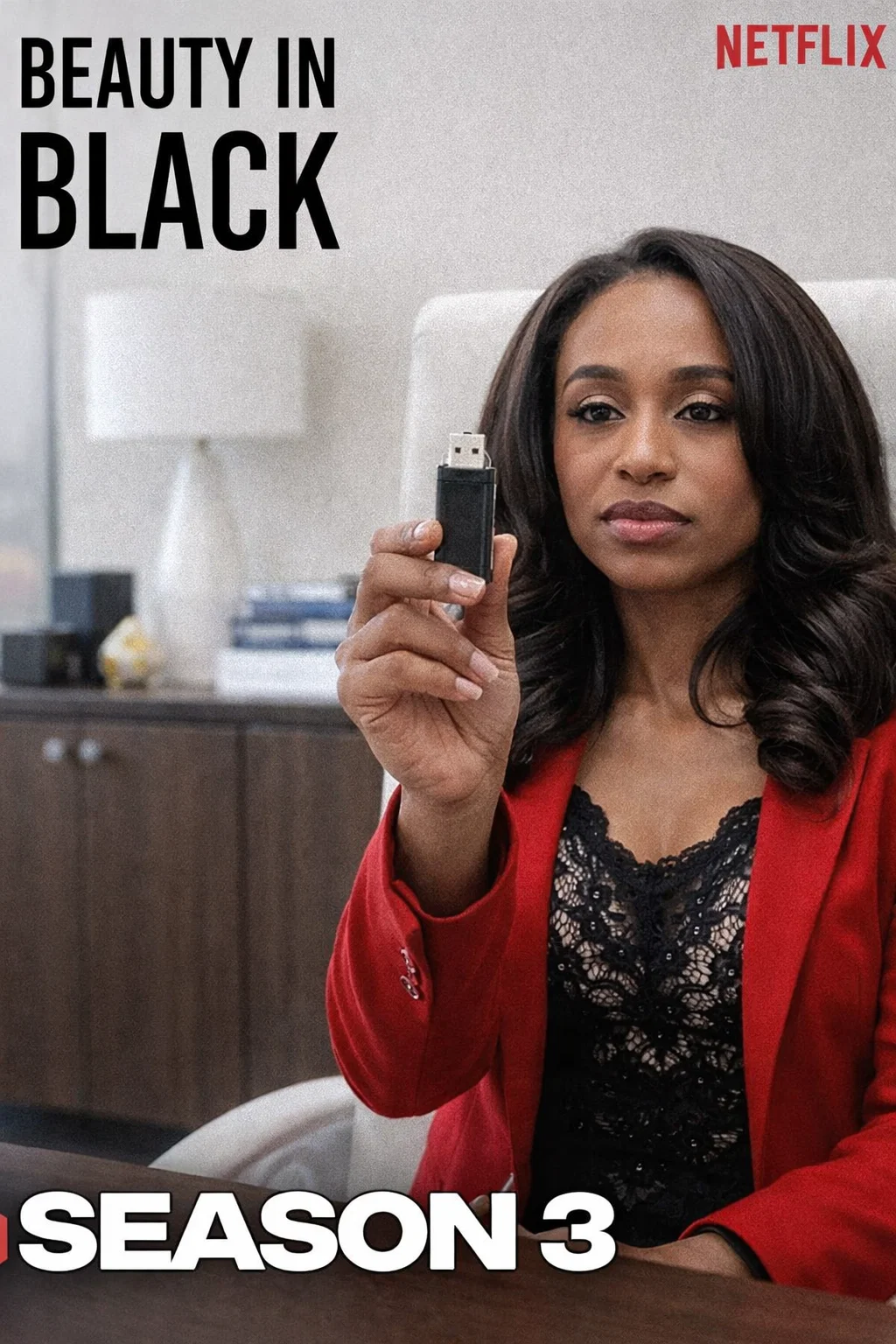
😱💔 Kimmie Standing On The Rooftop With That USB Drive Has Fans Terrified — Is She About To Destroy The Entire Bellarie Empire? 👀
The first explosive trailer for Beauty in Black Season 2 Part 2 is here — and everything shifts fast. The new footage shows Kimmie stepping fully into her power with zero hesitation, but one bold move has fans in total shock. Is she protecting herself… or setting something much bigger in motion? The stakes feel […]

💥 “Is The Baby Okay?” — Virgin River Season 7 Finale Left One Devastating Clue About Mel & Jack’s Child That Changes Everything 😭
Netflix just dropped the news everyone has been waiting for: Virgin River is officially returning for Season 7 — and fans are already bracing for another emotional chapter. The release date and exact drop time are now confirmed, meaning the next wave of romance, heartbreak, and small-town secrets is closer than expected. But one storyline […]
End of content
No more pages to load