When Julián Kalel stepped back onto the American Idol stage for the 2026 season auditions, the moment carried a weight far beyond a typical comeback. It unfolded as a quiet, powerful testament to resilience, self-awareness, and the courage to face the spotlight again after a deeply personal journey through mental health struggles. The 19-year-old from El Paso, Texas, had earned a golden ticket in the previous season (2025, Season 23) with a strong original song performance that impressed the judges—Luke Bryan, Lionel Richie, and Carrie Underwood—enough for them to predict he could go all the way. Yet he chose to walk away before Hollywood Week, prioritizing his well-being when the pressure and pace of the competition threatened his mental health.
That decision was not easy. Julián had battled anxiety and depression since his early teens, with a formal diagnosis during high school. The intensity of American Idol, combined with the public exposure and emotional demands, became overwhelming. He later shared that he needed to step back to focus on healing, therapy, and rebuilding his sense of self. In the time away, music remained his lifeline—a way to process emotions, stay grounded, and find purpose. He wrote and shared songs online, including pieces that reflected his darkest moments and the choice to keep going.
When producers invited him back for Season 24, Julián saw it as a second chance—not just for the show, but for himself. He returned with a newfound confidence and clarity. His audition aired on February 2, 2026, during Week 2 of the auditions. Before performing, he spoke openly with the judges about his journey. He explained that last year’s golden ticket came with shared concerns about balancing the Idol experience with his mental health needs. Rather than push through at the risk of breaking, he chose to heal first.
The song he chose for his return was his original “Lone Guitar,” written during one of his lowest points. He described it as emerging from a crossroads where he debated giving up entirely. The simple, powerful message—”stay one more day”—became his mantra. Performing it solo with just his guitar, Julián poured raw emotion into every line. The lyrics spoke of isolation, pain, and the decision to choose life over surrender. His voice carried the weight of lived experience—vulnerable yet strong, fragile yet resolute.
The judges were visibly moved. Luke Bryan, who had championed him the previous year, welcomed him back warmly, noting how proud he was to see Julián return stronger. Lionel Richie and Carrie Underwood praised the authenticity and emotional depth of the performance. All three delivered yes votes, sending him to Hollywood once more. The room filled with applause and tears, but the moment felt intimate rather than celebratory—like a shared acknowledgment of survival and growth.
Viewers at home felt it deeply. Social media lit up with reactions from fans who saw their own struggles reflected in Julián’s story. Comments poured in: “I wasn’t broken—I was healing” became a quiet mantra echoed across posts. Many shared how the audition hit them personally—tears streaming as they recognized the courage it took to speak openly about mental health, especially as a young man challenging stigma. Others highlighted the bond with his sister, who stood by him supportively during the audition, and the pride from his family and El Paso community.
The performance resonated beyond the music. Julián’s return symbolized hope for anyone who has had to step back from a dream to protect their mental health. He spoke of wanting to challenge the stigma around men’s mental health and to show that struggles do not define a person—their strengths and choices do. By choosing to return on his own terms, fully healed and ready, he turned what could have been a story of regret into one of empowerment.
American Idol has long been a platform for second chances and personal triumphs, but Julián’s moment stood out for its quiet dignity. There was no dramatic buildup or overproduced spectacle—just an honest young artist sharing his truth through song. The judges’ warmth and the audience’s empathy created a space where vulnerability was met with understanding, not judgment.
As Julián advances to Hollywood Week, the focus shifts to his growth as a performer. His original songwriting, emotional delivery, and newfound confidence position him as a strong contender. But regardless of how far he goes, his audition has already left a lasting impact. It reminded viewers that healing is not linear, that stepping away can be an act of strength, and that returning—when ready—can be profoundly meaningful.
For Julián, the journey is no longer just about winning a competition. It’s about showing that it’s possible to face darkness, seek help, heal, and step back into the light with purpose. In a world quick to label people as “broken,” his story quietly declares: I wasn’t broken—I was healing. And that message, delivered through a lone guitar and a steady voice, has touched millions.
News
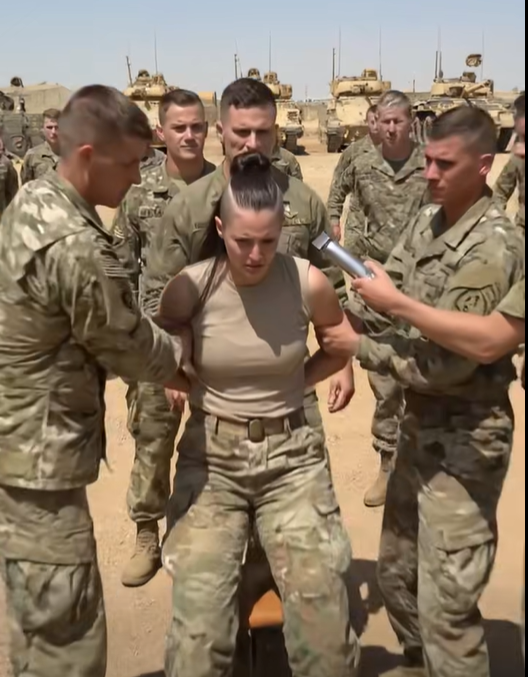
“Shave Her Head,” the Sergeant Ordered Coldly. “If Discipline Won’t Break Her, Maybe Humiliation Will.” But What They Didn’t Know Was That the Woman They Underestimated Would Bring Their Entire Base to Its Knees.
General Alexander Vance had heard the whispers for months: Fort Blackwood was rotting from within. Soldiers spoke in hushed tones of systematic humiliation disguised as “discipline,” falsified training records, missing supply funds that somehow vanished into private accounts, and a toxic command climate built on fear and intimidation. Every official inspection came back sparkling clean […]

At A Veterans’ Dinner, The Colonel Leaned Toward My Brother And Asked One Simple Question: “Can You Tell Me How You Earned This Decoration, Son?” His Face Turned White. He Pointed At My Father And Said: “He Told Me It Belonged To Our Uncle.” The Uncle Never Existed.
The Ridgewood Armory smelled like every other veterans’ event I’d ever attended: floor wax, overcooked chicken, old coffee, and the faint metallic tang of too many American flags. Fluorescent lights buzzed overhead, casting a harsh glow on rows of folding tables and men in ill-fitting blazers trying to look like they still belonged in uniform. […]
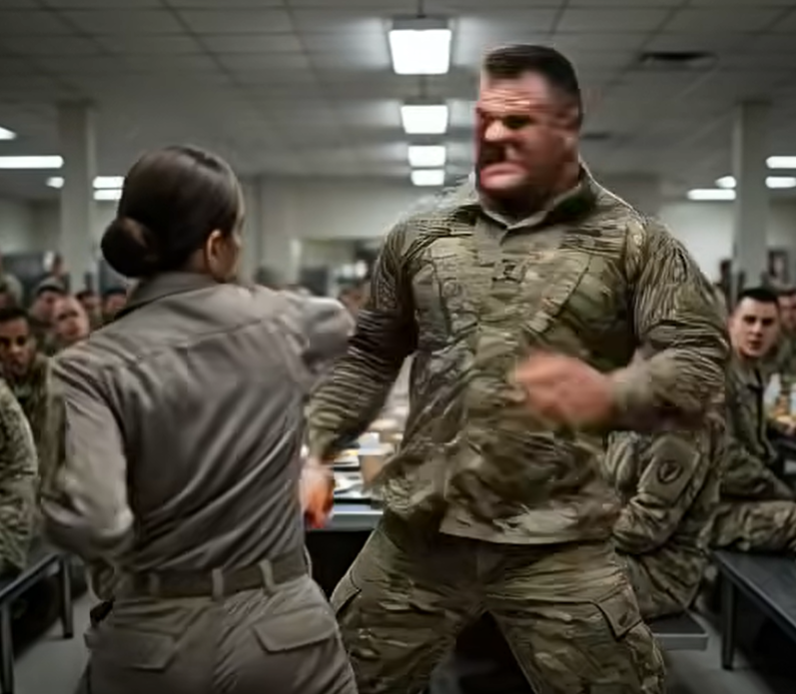
“Die, B*tch,” He Spat, Swinging a Massive Fist in the Mess Hall. He Thought I Was an Easy Target — He Had No Idea He Just Attacked a Classified SEAL Shadow Operative.
I was running on fumes. Seventy-two hours of off-the-books reconnaissance in the frozen Alaskan wilderness had left every muscle screaming. My joints ached from crawling through ice-crusted snow, my eyes burned from staring through night-vision gear, and the only thing keeping me upright was the promise of a hot meal and twelve hours of blackout […]
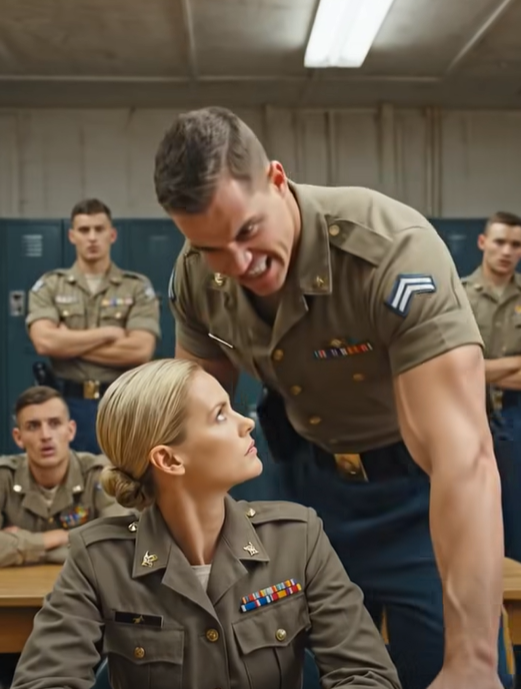
“Do You Know Who I Am?” He Pushed Her — Seconds Later, One ID Card Ended His Career
The dim lights of Rusty’s Bar flickered like dying stars just outside Camp Pendleton. It was a Friday night, the kind where Marines came to forget the sand and the screams they carried home from deployment. I had come here for the opposite reason — to disappear. My name is Commander Thalia Renwick. Highly decorated […]
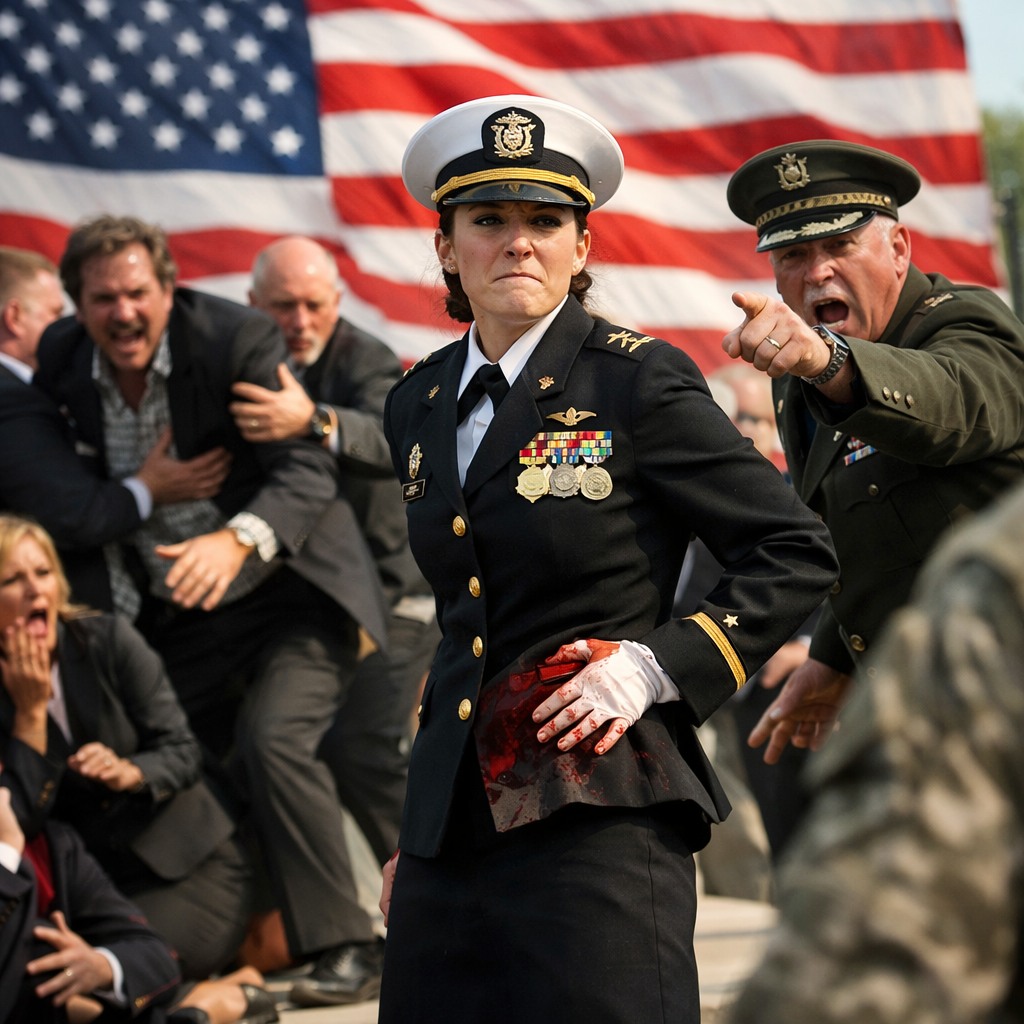
15 Years After My Dad Kicked Me Out, I Saw Him At My Sister’s Wedding. He Sneered: “If It Wasn’t For Pity, No One Would’ve Invited You.” I Just Smiled And Sipped My Wine. Then The Bride Took The Mic And Changed Everything.
The South Carolina sun was merciless that June afternoon, turning the outdoor wedding venue into a glittering oven. I stood near the back in my crisp Army dress uniform, the brass buttons and medals catching the light with every breath. At 34 years old, I had come home for my little sister’s wedding — the […]
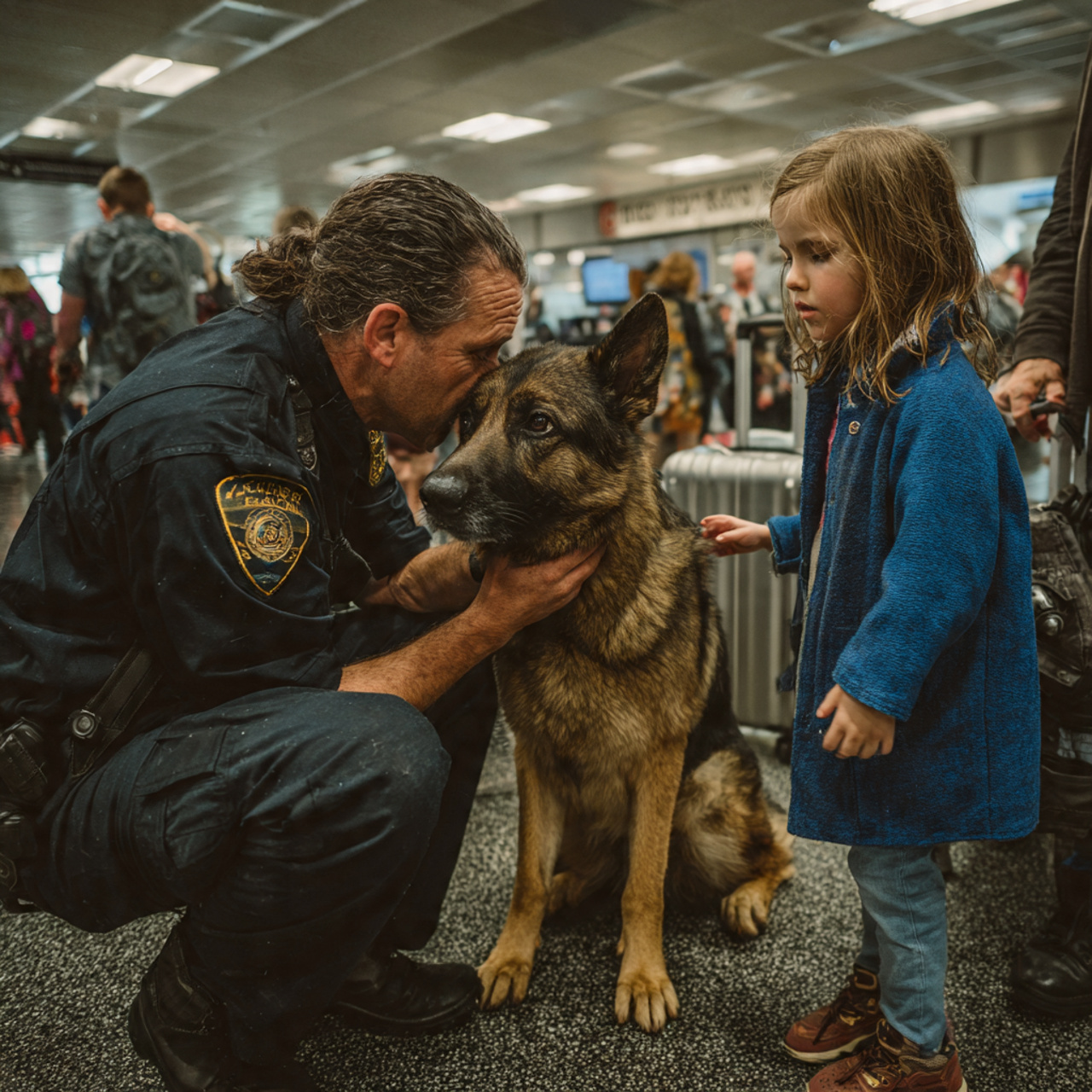
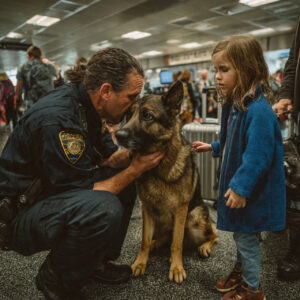
“A POLICE DOG FROZE IN THE AIRPORT. THEN A LITTLE GIRL TAPPED HIS HEAD. WHAT HAPPENED NEXT MADE EVERY TRAVELER STOP. HAVE YOU EVER WITNESSED A SILENT CRY FOR HELP?
The bustling international airport was a whirlwind of rolling suitcases, hurried announcements, and weary travelers rushing to their gates. Officer Liam Mercer patrolled the terminal with his loyal K9 partner, Rex — a highly trained German Shepherd known for his sharp instincts in detection and child safety operations. Everything seemed routine until Rex suddenly froze […]
End of content
No more pages to load