In the quiet, affluent suburbs of North Zealand—Denmark’s picturesque “Danish Riviera”—a wealthy heiress is found dead in her swimming pool. The death appears accidental at first glance, but suspicion quickly falls on her boyfriend, Tom, a notorious con artist and serial swindler known for preying on vulnerable women through dating apps. What seems like a straightforward case of foul play soon unravels into a tangled web of deception, exploitation, and hidden darkness that spans decades.
This is the gripping premise of The Pushover, the six-part Danish crime drama that has quietly become one of the most talked-about Nordic noir series of early 2026. Originally produced for Danish television and made available through Walter Presents on Channel 4 in the UK (with all episodes released together for binge viewing), the show has earned praise for its restrained pacing, razor-sharp writing, and deeply human characters. Viewers describe it as “classic Nordic noir at its best”—moody, intelligent, and quietly devastating, with a creeping dread that builds slowly and lingers long after the credits roll.
At the center of the investigation are two determined figures working parallel paths. Copenhagen journalist Nora Sand, played with quiet intensity by Marie Sandø Jondal, has returned home after a scandal forced her out of her prestigious London posting. Eager to rebuild her career and reputation, she cannot resist digging into the case when the con artist’s involvement raises red flags. Nora’s investigative instincts lead her down a path of lies and manipulation, uncovering Tom’s dark history of fraud, emotional abuse, and possible murder. Meanwhile, North Zealand police inspector Stark (Morten Hauch-Fausbøll) pursues the official inquiry with methodical precision, initially convinced Tom is guilty but increasingly aware that the truth is more complicated and sinister than a simple crime of passion.

The series excels in its slow-burn approach. There are no flashy twists or over-the-top reveals—every development unfolds naturally, allowing tension to simmer through long silences, subtle glances, and carefully placed clues. The affluent North Zealand setting, with its manicured lawns, luxurious homes, and serene coastal views, contrasts sharply with the ugliness beneath the surface: exploitation, power imbalances, and the quiet horrors that can hide behind wealth and privilege. The cold, muted color palette and minimalist cinematography amplify the atmosphere of unease, making every quiet moment feel loaded with meaning.
The writing shines in its moral ambiguity. Tom (Sigurd Holmen le Dous) is not a cartoonish villain—he’s charming, plausible, and disturbingly human. His past deceptions and the ways he manipulates those around him are revealed gradually, forcing viewers to question how far someone can fall before crossing an irredeemable line. Nora and Stark, meanwhile, are flawed and relatable: Nora’s ambition sometimes blinds her to personal risks, while Stark’s dogged pursuit of justice is complicated by his own doubts and the pressure to close cases quickly. Their separate investigations eventually converge, revealing layers of deceit that challenge their assumptions and expose the fragility of truth in a world built on appearances.
Supporting characters add depth and texture. The heiress’s family and friends harbor their own secrets, while Tom’s former victims and accomplices provide haunting glimpses into the long-term damage of manipulation. The ensemble feels lived-in and believable, with performances that convey pain, regret, and quiet rage without melodrama.
Critics and viewers alike have praised the series for its intelligence and emotional resonance. The pacing allows the story to breathe, building dread through atmosphere rather than jump scares or rapid-fire revelations. Many describe it as “intelligent, atmospheric, and devastating in the best way”—a show that creeps under your skin and refuses to let go. One common reaction: “I didn’t expect to cry,” reflecting the quiet heartbreak woven into the mystery. The emotional devastation comes not from graphic violence but from the slow realization of how deeply people can be damaged and how complicit society can be in allowing predators to thrive.
The restrained style—minimal score, natural lighting, and long takes—creates an intimate, almost claustrophobic feel, even in wide shots of the Danish landscape. The North Zealand setting, with its sandy dunes, old-fashioned boats, and upscale neighborhoods, becomes a character in its own right: beautiful yet isolating, a place where secrets can hide in plain sight.
For fans of slow-burn mysteries, complex psychology, and crime dramas that prioritize character over spectacle, The Pushover delivers in spades. It avoids cheap twists, instead offering creeping dread, moral gray areas, and a cold, bleak world where silence speaks volumes. The six episodes run about 42-45 minutes each, making it perfect for a weekend binge—though many viewers report watching straight through in one sitting, unable to look away.
As the final episode lands its quiet, shattering revelations, the show leaves a lasting impression: a reminder that the most dangerous predators often wear a charming face, and the truth can be more devastating than any lie. Dim the lights, lean in close, and prepare to descend into darkness—this is Nordic noir that lingers, haunts, and refuses to be forgotten.
News

“Shave Her Head,” the Sergeant Ordered Coldly. “If Discipline Won’t Break Her, Maybe Humiliation Will.” But What They Didn’t Know Was That the Woman They Underestimated Would Bring Their Entire Base to Its Knees.
General Alexander Vance had heard the whispers for months: Fort Blackwood was rotting from within. Soldiers spoke in hushed tones of systematic humiliation disguised as “discipline,” falsified training records, missing supply funds that somehow vanished into private accounts, and a toxic command climate built on fear and intimidation. Every official inspection came back sparkling clean […]
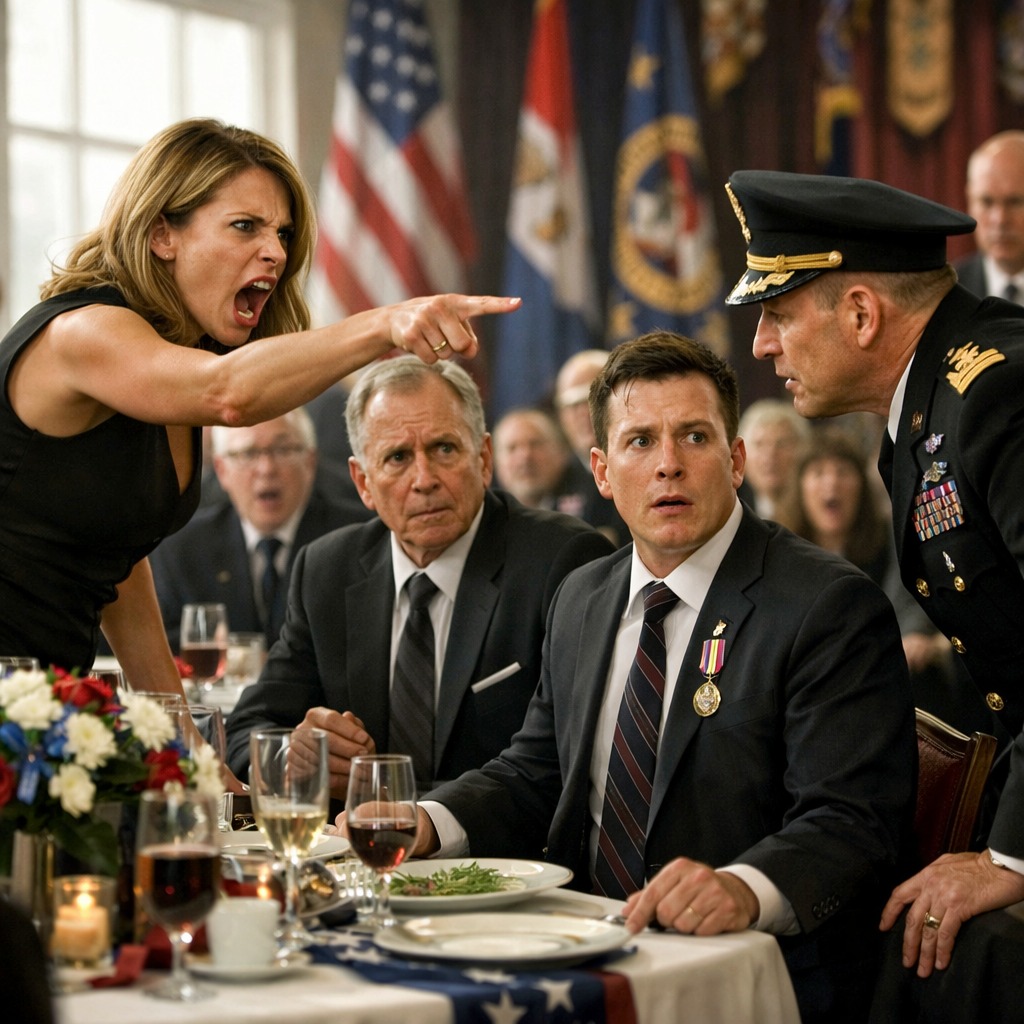
At A Veterans’ Dinner, The Colonel Leaned Toward My Brother And Asked One Simple Question: “Can You Tell Me How You Earned This Decoration, Son?” His Face Turned White. He Pointed At My Father And Said: “He Told Me It Belonged To Our Uncle.” The Uncle Never Existed.
The Ridgewood Armory smelled like every other veterans’ event I’d ever attended: floor wax, overcooked chicken, old coffee, and the faint metallic tang of too many American flags. Fluorescent lights buzzed overhead, casting a harsh glow on rows of folding tables and men in ill-fitting blazers trying to look like they still belonged in uniform. […]
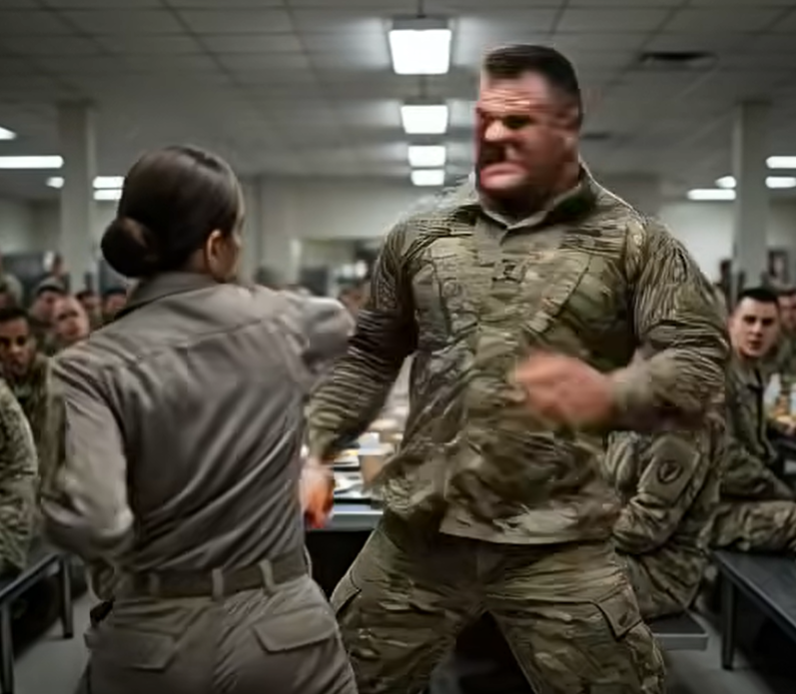
“Die, B*tch,” He Spat, Swinging a Massive Fist in the Mess Hall. He Thought I Was an Easy Target — He Had No Idea He Just Attacked a Classified SEAL Shadow Operative.
I was running on fumes. Seventy-two hours of off-the-books reconnaissance in the frozen Alaskan wilderness had left every muscle screaming. My joints ached from crawling through ice-crusted snow, my eyes burned from staring through night-vision gear, and the only thing keeping me upright was the promise of a hot meal and twelve hours of blackout […]
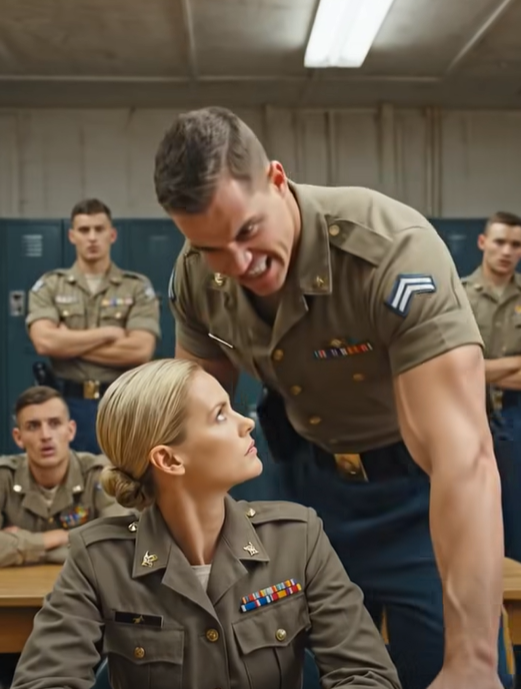
“Do You Know Who I Am?” He Pushed Her — Seconds Later, One ID Card Ended His Career
The dim lights of Rusty’s Bar flickered like dying stars just outside Camp Pendleton. It was a Friday night, the kind where Marines came to forget the sand and the screams they carried home from deployment. I had come here for the opposite reason — to disappear. My name is Commander Thalia Renwick. Highly decorated […]

15 Years After My Dad Kicked Me Out, I Saw Him At My Sister’s Wedding. He Sneered: “If It Wasn’t For Pity, No One Would’ve Invited You.” I Just Smiled And Sipped My Wine. Then The Bride Took The Mic And Changed Everything.
The South Carolina sun was merciless that June afternoon, turning the outdoor wedding venue into a glittering oven. I stood near the back in my crisp Army dress uniform, the brass buttons and medals catching the light with every breath. At 34 years old, I had come home for my little sister’s wedding — the […]
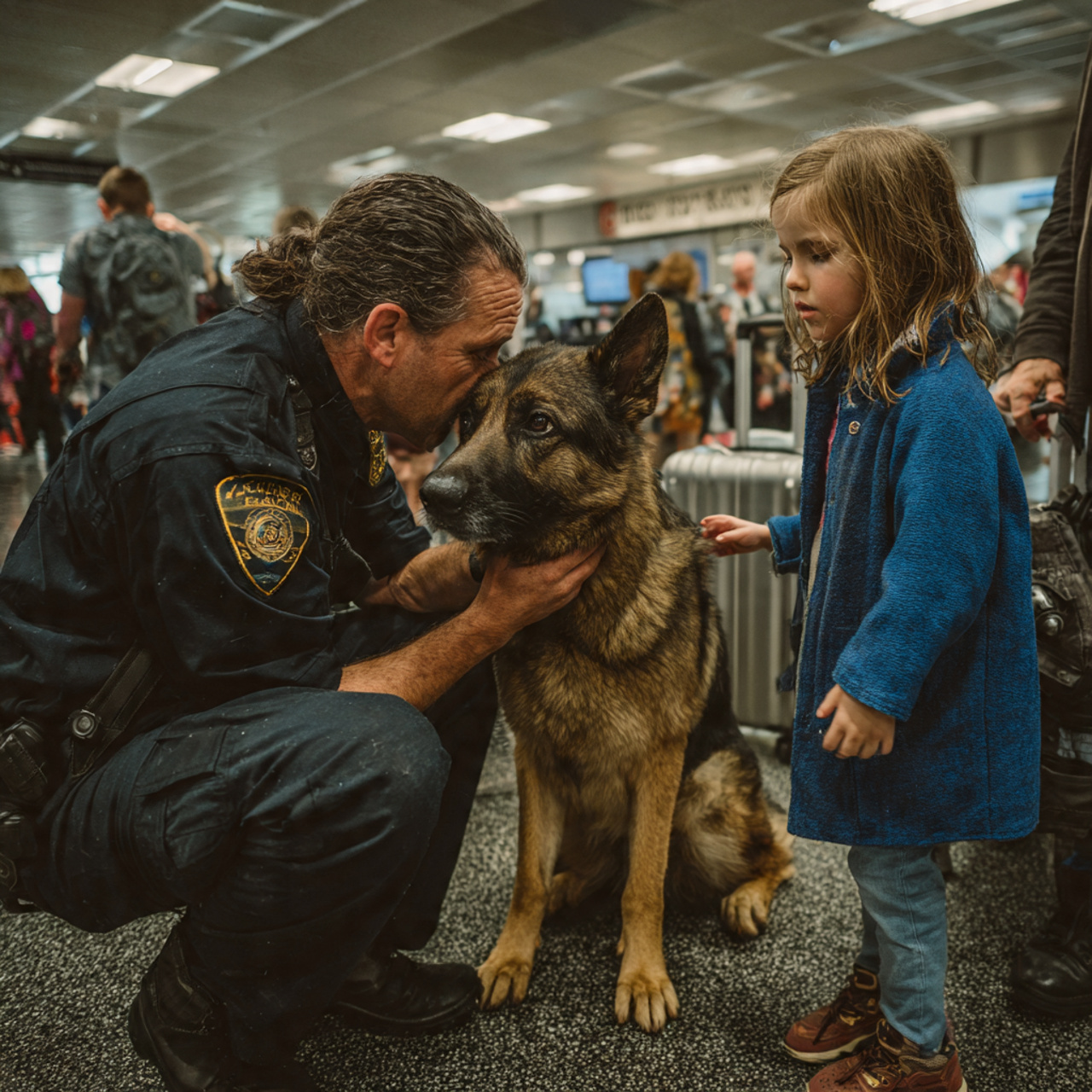
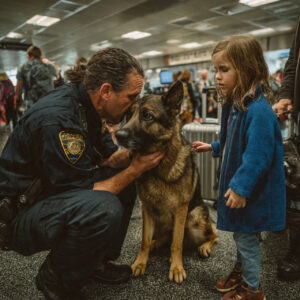
“A POLICE DOG FROZE IN THE AIRPORT. THEN A LITTLE GIRL TAPPED HIS HEAD. WHAT HAPPENED NEXT MADE EVERY TRAVELER STOP. HAVE YOU EVER WITNESSED A SILENT CRY FOR HELP?
The bustling international airport was a whirlwind of rolling suitcases, hurried announcements, and weary travelers rushing to their gates. Officer Liam Mercer patrolled the terminal with his loyal K9 partner, Rex — a highly trained German Shepherd known for his sharp instincts in detection and child safety operations. Everything seemed routine until Rex suddenly froze […]
End of content
No more pages to load