The Clive Davis Pre-Grammy Gala on January 31, 2026, at the Beverly Hilton in Beverly Hills was already destined to be unforgettable. The annual invitation-only event, held the night before the 68th Grammy Awards, always gathers music’s elite for intimate performances, heartfelt speeches, and unexpected collaborations. This year, however, one performance turned the glamorous evening into something profoundly personal and deeply moving: Jelly Roll’s raw, soul-baring rendition of Ozzy Osbourne’s 1991 classic “Mama, I’m Coming Home.”
Dressed head to toe in black—a somber nod to the occasion—Jelly Roll took the stage after Machine Gun Kelly delivered a fiery cover of Ozzy’s “I Don’t Wanna Stop.” MGK, visibly emotional, handed the spotlight to his friend with a simple, powerful introduction: “Rest in peace, Ozzy. Bring it home, Jelly.”
What followed was a performance that transcended genre, fame, and even the room itself. Jelly Roll, the Nashville-born rapper-turned-country star who had just clinched three Grammys the following night (including Best Contemporary Country Album for Beautifully Broken), poured every ounce of his own hard-fought survival into the ballad. The song—written by Sharon Osbourne for her husband during one of his darkest periods of addiction and recovery—carries layers of pain, loyalty, and unwavering love. Jelly Roll’s gritty, gravel-and-honey voice made it feel like a prayer.
As the opening chords rang out, Jelly Roll’s eyes scanned the room. He found Sharon Osbourne seated near the front, dressed in black, flanked by her children Kelly and Jack. The Osbourne family had come to honor Ozzy, who had passed away in July 2025 after a long battle with Parkinson’s disease and other health struggles. The “Prince of Darkness” had left an indelible mark on rock music, and this gala was one of the first major public tributes since his death.
Jelly Roll began singing, his voice low and trembling at first, then building with raw intensity. Midway through the first verse, he paused—just for a heartbeat—placed his hand over his chest, and pointed directly at Sharon Osbourne. The gesture was simple, intimate, and devastatingly powerful. It wasn’t theatrical; it was reverence. He was acknowledging the woman who had stood by Ozzy through decades of chaos, who had written the lyrics now echoing through the room, and who had loved him fiercely until the end.
Sharon’s reaction was immediate and unguarded. Tears welled up as she pressed a hand to her mouth, her shoulders shaking. Kelly and Jack, seated beside her, reached for their mother, their own eyes glistening. The entire table—once the epicenter of rock’s wildest reality TV family—now sat in quiet, shared grief and gratitude.
The room itself seemed to hold its breath. A-list attendees—celebrities, executives, artists—watched in stunned silence. Phones stayed in pockets; conversations died. Jelly Roll’s performance wasn’t just a cover; it was a bridge between generations, genres, and personal battles. His own history of addiction, incarceration, and redemption mirrored Ozzy’s in ways that felt almost predestined. When he sang the chorus—“Mama, I’m coming home”—his voice cracked on the word “home,” turning it into something more than lyrics. It became a promise, a plea, a thank-you.
As the final notes faded, Jelly Roll lowered the microphone and spoke directly to Sharon’s table.
“Rest in peace to the Prince of Darkness,” he said, voice thick with emotion. “To a great husband, a great father, a great musician… Ozzy Osbourne.”
He stepped off the stage, still visibly moved, and made his way toward the Osbournes. Sharon rose to meet him. What followed was a long, heartfelt embrace—motherly, grateful, raw. She held his face in her hands for a moment, whispering words the microphones didn’t catch. Photos captured the exchange: Jelly Roll towering yet gentle, Sharon small but fierce in her black attire, both of them crying openly. Kelly and Jack joined in, wrapping arms around the singer in a family hug that felt like closure.
The moment wasn’t scripted. It wasn’t rehearsed. It was real.
For Jelly Roll, the performance carried extra weight. His own journey—from drug addiction and prison to sobriety, fatherhood, and chart-topping success—had been shaped by faith, family, and second chances. He had spoken publicly about how his wife Bunnie Xo and his children pulled him from the brink. Honoring Ozzy through a song written by Sharon felt like paying forward the grace he had received. “Ozzy would’ve loved this,” Sharon reportedly whispered to him during their embrace—a line that quickly spread online and became the emotional tagline of the night.

The gala continued—Stevie Wonder performed, Olivia Dean dazzled, and other artists took the stage—but the air had shifted. Conversations turned quieter, more reflective. Guests who had come for networking and glamour left talking about loyalty, survival, and the power of music to heal across decades and genres.
The next night, at the Grammys proper, Ozzy received a star-studded In Memoriam tribute featuring Post Malone, Slash, Duff McKagan, and Andrew Watt performing “War Pigs.” Sharon, Kelly, and Jack watched from the audience, visibly emotional once more. But for many, the most unforgettable tribute had already happened—hours earlier, in a Beverly Hills ballroom, when a country-rap star in black paid homage to the Prince of Darkness by singing the song his wife wrote to bring him home.
In an industry often criticized for surface-level glamour, Jelly Roll’s performance reminded everyone that music’s deepest power lies in its ability to connect broken people across time. He didn’t just sing “Mama, I’m Coming Home.” He carried it—like a promise kept, a wound acknowledged, a love honored.
And when Sharon Osbourne whispered that Ozzy would have loved it, the room knew she was right.
Because in that moment, the Prince of Darkness was home—through the voice of a man who understood exactly what it took to get there.
News
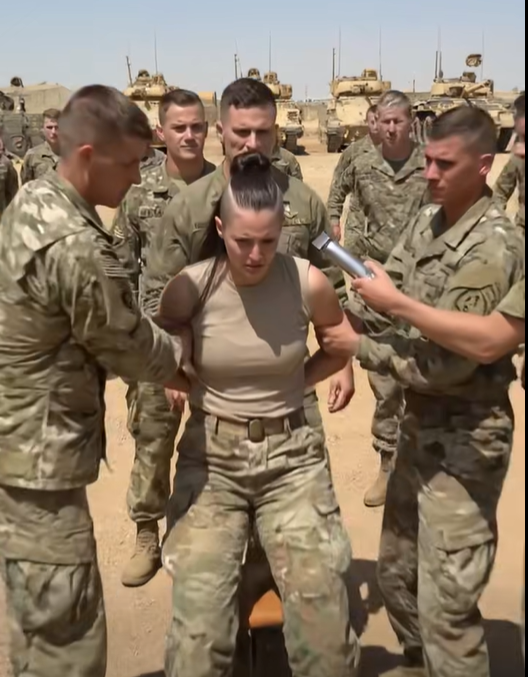
“Shave Her Head,” the Sergeant Ordered Coldly. “If Discipline Won’t Break Her, Maybe Humiliation Will.” But What They Didn’t Know Was That the Woman They Underestimated Would Bring Their Entire Base to Its Knees.
General Alexander Vance had heard the whispers for months: Fort Blackwood was rotting from within. Soldiers spoke in hushed tones of systematic humiliation disguised as “discipline,” falsified training records, missing supply funds that somehow vanished into private accounts, and a toxic command climate built on fear and intimidation. Every official inspection came back sparkling clean […]
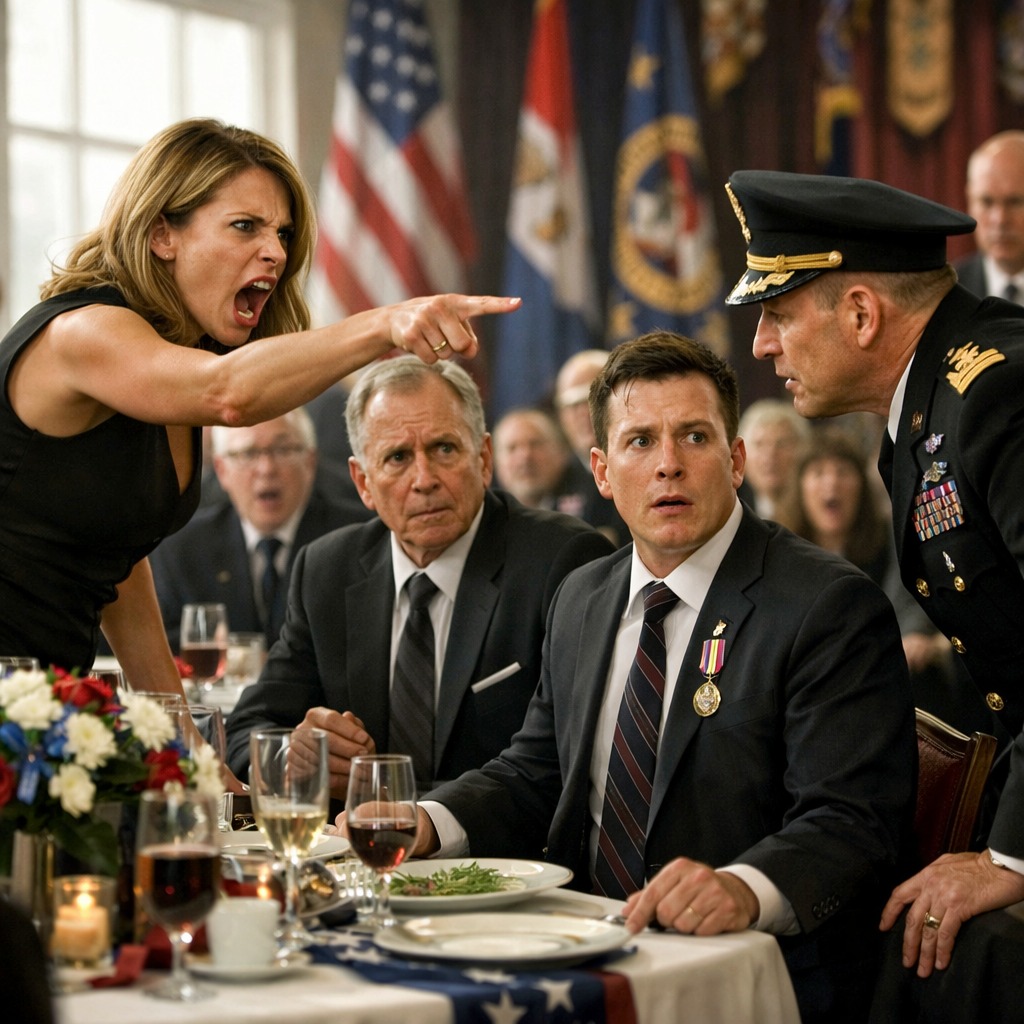
At A Veterans’ Dinner, The Colonel Leaned Toward My Brother And Asked One Simple Question: “Can You Tell Me How You Earned This Decoration, Son?” His Face Turned White. He Pointed At My Father And Said: “He Told Me It Belonged To Our Uncle.” The Uncle Never Existed.
The Ridgewood Armory smelled like every other veterans’ event I’d ever attended: floor wax, overcooked chicken, old coffee, and the faint metallic tang of too many American flags. Fluorescent lights buzzed overhead, casting a harsh glow on rows of folding tables and men in ill-fitting blazers trying to look like they still belonged in uniform. […]
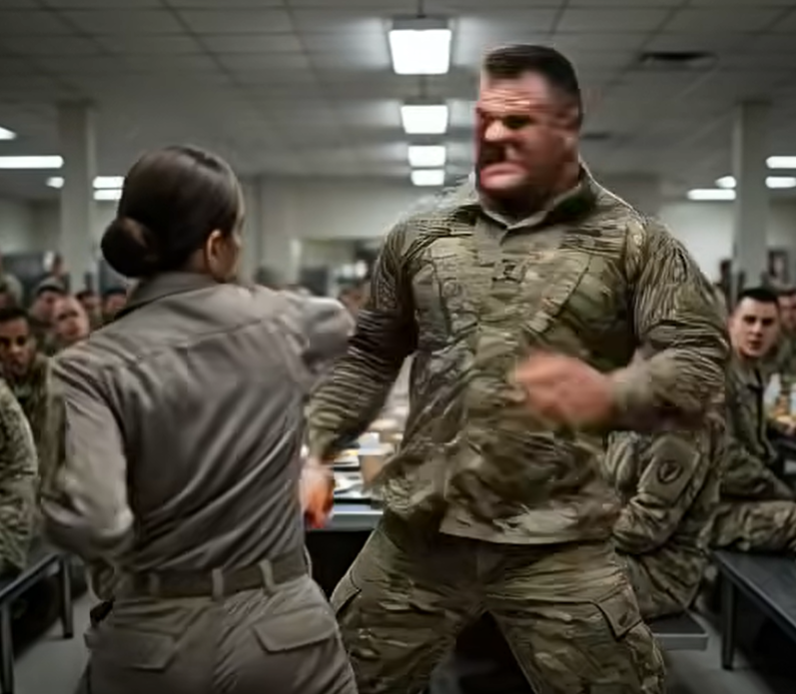
“Die, B*tch,” He Spat, Swinging a Massive Fist in the Mess Hall. He Thought I Was an Easy Target — He Had No Idea He Just Attacked a Classified SEAL Shadow Operative.
I was running on fumes. Seventy-two hours of off-the-books reconnaissance in the frozen Alaskan wilderness had left every muscle screaming. My joints ached from crawling through ice-crusted snow, my eyes burned from staring through night-vision gear, and the only thing keeping me upright was the promise of a hot meal and twelve hours of blackout […]
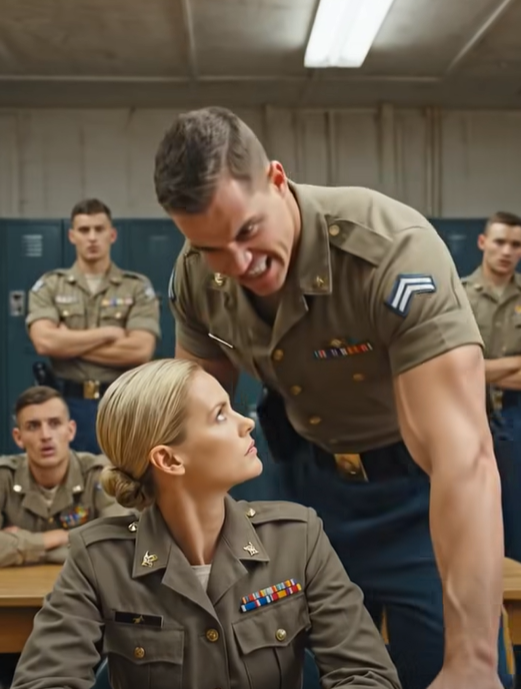
“Do You Know Who I Am?” He Pushed Her — Seconds Later, One ID Card Ended His Career
The dim lights of Rusty’s Bar flickered like dying stars just outside Camp Pendleton. It was a Friday night, the kind where Marines came to forget the sand and the screams they carried home from deployment. I had come here for the opposite reason — to disappear. My name is Commander Thalia Renwick. Highly decorated […]
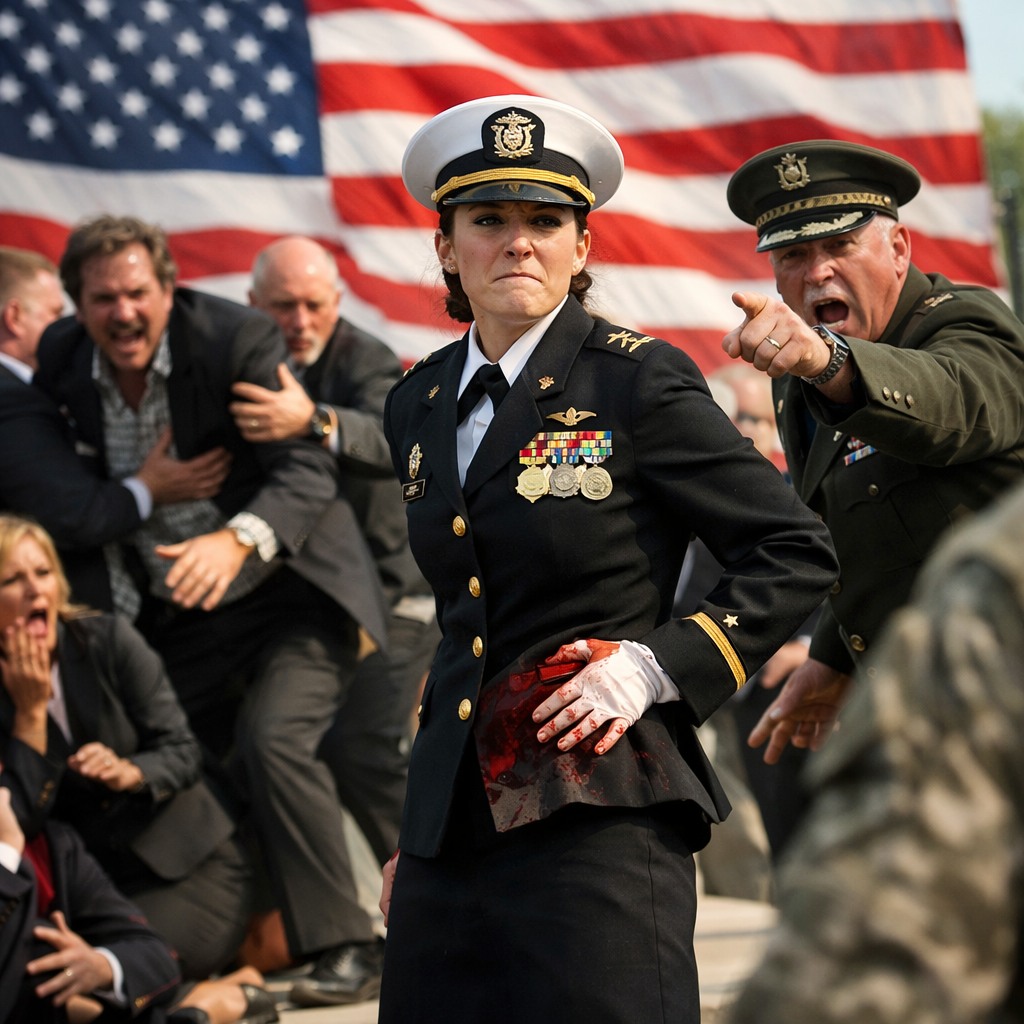
15 Years After My Dad Kicked Me Out, I Saw Him At My Sister’s Wedding. He Sneered: “If It Wasn’t For Pity, No One Would’ve Invited You.” I Just Smiled And Sipped My Wine. Then The Bride Took The Mic And Changed Everything.
The South Carolina sun was merciless that June afternoon, turning the outdoor wedding venue into a glittering oven. I stood near the back in my crisp Army dress uniform, the brass buttons and medals catching the light with every breath. At 34 years old, I had come home for my little sister’s wedding — the […]
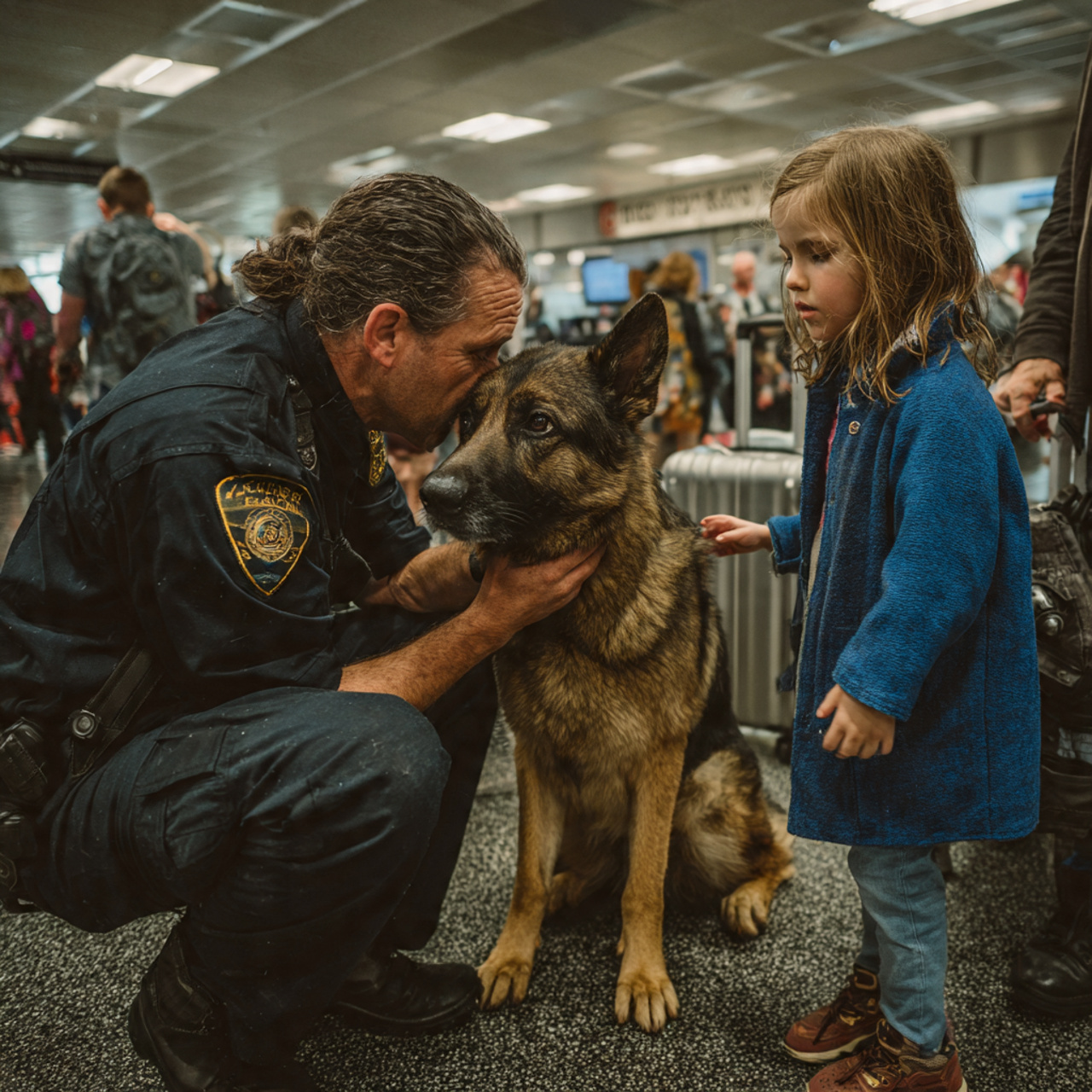
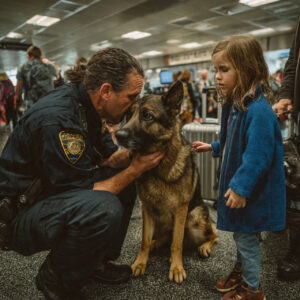
“A POLICE DOG FROZE IN THE AIRPORT. THEN A LITTLE GIRL TAPPED HIS HEAD. WHAT HAPPENED NEXT MADE EVERY TRAVELER STOP. HAVE YOU EVER WITNESSED A SILENT CRY FOR HELP?
The bustling international airport was a whirlwind of rolling suitcases, hurried announcements, and weary travelers rushing to their gates. Officer Liam Mercer patrolled the terminal with his loyal K9 partner, Rex — a highly trained German Shepherd known for his sharp instincts in detection and child safety operations. Everything seemed routine until Rex suddenly froze […]
End of content
No more pages to load