Sneak Peek Spotlight: Michael Bublé Hails ‘The Voice’ Contender as a Vocal Powerhouse in Season 28 Playoffs
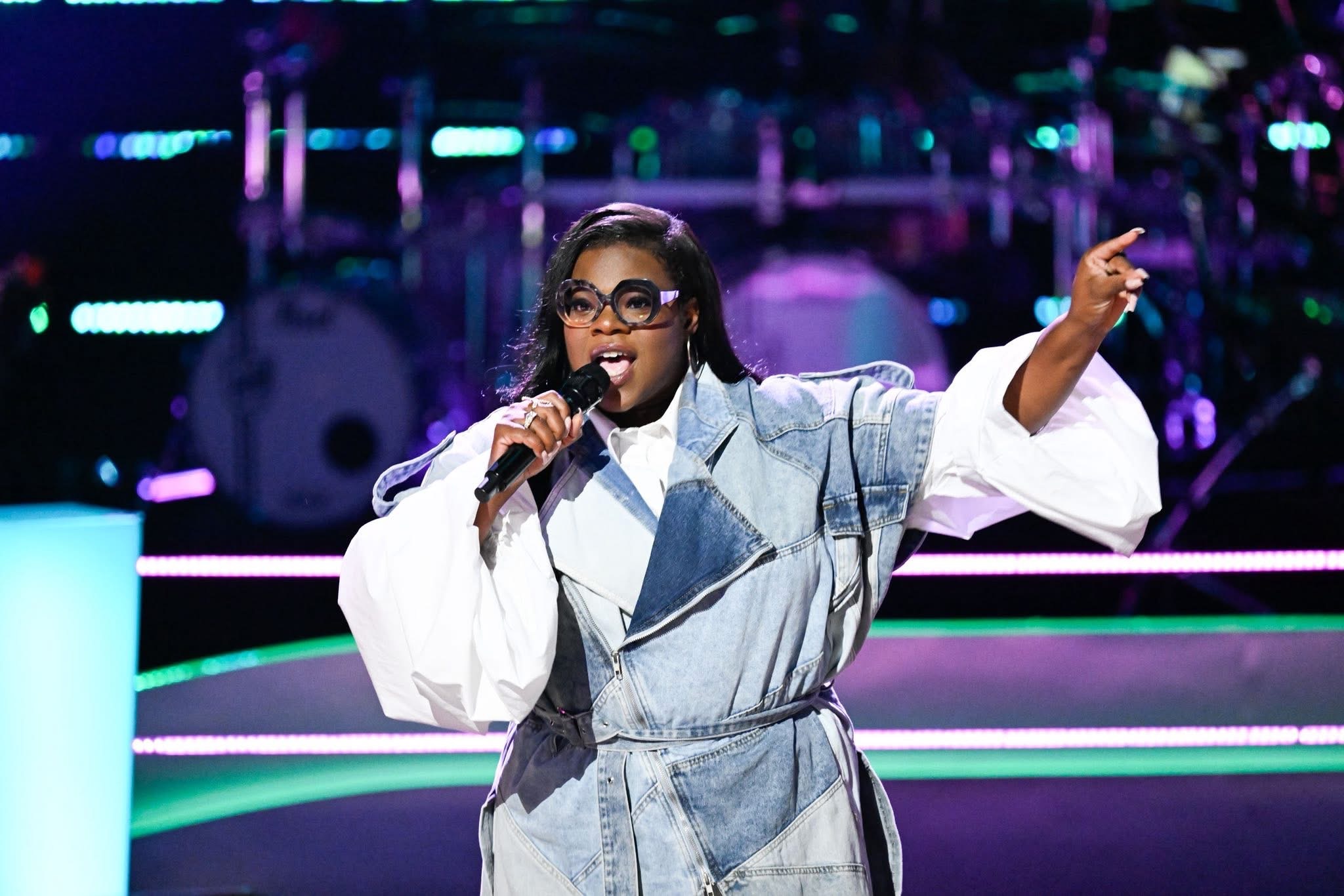
Southern California’s own Jazz McKenzie delivered a performance during the playoffs of NBC’s The Voice Season 28 that left coaches visibly moved, with mentor Michael Bublé drawing comparisons to some of music’s most enduring icons. The episode, which aired on December 2, 2024, at 9 p.m. ET/PT, showcased the high-stakes round where 16 remaining artists vied for spots in the live finale, reducing the field to just eight through coach selections. Bublé, in a candid preview shared ahead of the broadcast, described McKenzie’s rendition of Journey’s timeless anthem “Don’t Stop Believin'” as a moment of pure brilliance, one that evoked chills and prompted declarations of her exceptional talent.
The playoffs represent a pivotal phase in the competition’s format, where each of the four teams—led by Reba McEntire, Snoop Dogg, Niall Horan, and Bublé—fields four artists for live-stage performances. Coaches then deliberate to advance one standout from their roster directly to the finale, blending strategy with raw emotion as viewers at home absorb the unfolding drama. This season, marking the show’s 28th installment since its 2011 debut, has already generated buzz for its diverse lineup and celebrity mentorship, drawing in audiences with performances that span genres from pop anthems to soulful ballads. McKenzie’s segment, teased in advance by Parade magazine, quickly became a focal point, highlighting not just vocal prowess but the personal flair that sets top contenders apart.
Jazz McKenzie, a 24-year-old from Los Angeles with a background in gospel choirs and open-mic nights, first caught the judges’ attention during the blind auditions with a soul-infused take on Alicia Keys’ “If I Ain’t Got You.” Her four-chair turn led to her selection for Team Bublé, where she’s honed her craft through battles and knockouts, earning praise for her versatile range and stage presence. In the playoff performance, McKenzie reimagined “Don’t Stop Believin'” with a fresh lyrical close—”Thank you, Jesus”—infusing the rock classic with a layer of personal faith that resonated deeply. The arrangement, backed by a full band and subtle lighting that built to a crescendo, allowed her to showcase belting highs and emotive lows, turning a familiar track into something profoundly intimate.

Michael Bublé, the Canadian crooner known for his standards repertoire and four Grammy wins, wasted no time in lauding his protégé. “I got goosebumps. That was amazing,” he shared in the preview clip, his eyes wide with genuine awe. Expanding on his reaction, Bublé elaborated on what elevates McKenzie in his eyes: “Jazz reminds me of the greatest singers who ever lived from Streisand to Franklin to Celine. She’s out there.” He further clarified his coaching philosophy, noting that while technical skill is a given among the finalists, true stardom lies in “the ability to know that in their moment when they step into the ring, they deliver a knockout punch.” For Bublé, who joined The Voice as a coach this season after guest-starring appearances, McKenzie embodies that clutch performer quality, blending raw power with an authentic narrative that connects across generations.
Fellow coach Niall Horan, the former One Direction member turned solo artist, echoed the sentiment with unfiltered enthusiasm. “There is zero that you can’t do. You are a ridiculous singer. You’re on a different planet,” Horan exclaimed, half-laughing in disbelief at the vocal acrobatics on display. His playful ultimatum to Bublé—”If you don’t put her in the finals, our friendship of 25 years is over”—drew chuckles from the panel, underscoring the camaraderie among the coaches that has become a hallmark of the show’s appeal. Horan’s investment in McKenzie’s journey stems from his own pop-rock roots, and his endorsement adds weight to her frontrunner status, signaling cross-team respect in a format often rife with playful rivalries.
The performance’s impact extended beyond the studio, sparking immediate online chatter as fans dissected the preview footage. Social media platforms lit up with reactions, from clips of Bublé’s goosebump moment going viral to debates over whether McKenzie’s gospel twist honors or alters Journey’s legacy. “This is the version we’ve been waiting for—faith meets fire,” one viewer posted on X, formerly Twitter, amassing thousands of likes. Others drew parallels to past Voice successes, like Season 16’s Maelyn Jarmon, whose knockout performances propelled her to victory. As the playoffs progress, McKenzie’s showing positions Team Bublé as a team to watch, with her coach now faced with the tough call of selecting just one artist from a roster that includes equally compelling talents like rising country crooner Tate McRae and indie pop sensation Lena Harper.
Delving into the broader context of Season 28, the show has leaned into a refreshed dynamic under the guidance of host Carson Daly and the new coaching quartet. Reba McEntire, the Country Music Hall of Famer in her sophomore season, brings a wealth of experience from her own chart-topping career, often mentoring artists toward heartfelt storytelling. Snoop Dogg, making his full-time debut after play-along episodes, infuses hip-hop flair and laid-back wisdom, attracting urban and R&B hopefuls eager for his industry connections. Niall Horan, fresh off his solo album release, appeals to younger demographics with his pop sensibilities, while Bublé rounds out the panel with jazz-inflected polish, bridging classic and contemporary sounds. This mix has diversified the contestant pool, featuring everyone from high school theater kids to professional session singers sidelined by the pandemic.
The playoff format itself evolved slightly this season to heighten tension: Artists perform solo numbers chosen by their coaches, with no block or steal mechanics, forcing pure merit-based advancement. Viewers vote via the show’s app during commercial breaks, influencing coach decisions in real time—a nod to interactive TV trends that boost engagement. For McKenzie, her selection of “Don’t Stop Believin'” was Bublé’s strategic pick, aiming to highlight her anthemic range after earlier rounds showcased more intimate fare. The song, a staple of sports arenas and karaoke nights since its 1981 release, has been covered by Voice alums before, but McKenzie’s version stands out for its unapologetic personalization, aligning with the show’s ethos of artist empowerment.
Behind the scenes, McKenzie’s path to this moment reflects the grit that defines many Voice journeys. Raised in a musical family—her mother a church organist, her father a backup vocalist for local R&B acts—she balanced auditions with a day job at a coffee shop, saving tips for vocal lessons. Her blind audition nerves nearly derailed her, but a mid-song ad-lib turned heads, securing Bublé’s chair first. Through the battle rounds, she bested a fellow gospel singer on Etta James’ “At Last,” earning a reputation for emotional depth. Knockouts tested her adaptability, with a knockout against a pop belter on Adele’s “Someone Like You” cementing her as Bublé’s anchor. Now, in playoffs, she’s not just singing; she’s storytelling, weaving her Los Angeles upbringing—complete with stories of busking on Venice Beach—into every note.
Bublé’s mentorship has been instrumental, drawing from his own trajectory from Canadian jazz clubs to global stardom. The 49-year-old, whose hits like “Home” and “Everything” have sold millions, hosted master classes for his team on breath control and audience connection, often referencing Barbra Streisand’s phrasing techniques or Aretha Franklin’s improvisational fire. “It’s not about perfection; it’s about presence,” he told contestants during rehearsals, a mantra McKenzie credits for her confident stage delivery. His preview leak, shared via Parade, serves dual purposes: building hype for the episode and humanizing the high-pressure environment, reminding fans that even pros get starstruck.
As the night unfolded, other teams delivered their own highlights, though McKenzie’s overshadowed much of the discourse. On Team McEntire, folk-rocker Elias Grant channeled James Taylor’s warmth on “Fire and Rain,” prompting Reba to tear up over his lyrical vulnerability. Snoop’s squad saw hip-hop prodigy Mia Voss flip Lauryn Hill’s “Doo Wop (That Thing)” into a neo-soul gem, earning nods for her rhythmic precision. Horan’s team featured indie darling Theo Lang on Coldplay’s “Fix You,” a brooding build that showcased his falsetto flair. Each performance underscored the coaches’ curatorial eyes, curating sets that play to strengths while challenging boundaries—much like McKenzie’s bold lyrical edit.
Post-performance, the deliberation segments added layers of intrigue, with coaches huddling off-stage to weigh metrics from vocal coaches, fan polls, and gut instincts. Bublé’s visible conflict over his choices hinted at tough cuts ahead, a recurring theme that humanizes the competition. For viewers, these moments foster investment, turning passive watching into emotional rollercoasters. The Voice has long excelled at this, amassing over 400 million global viewers across 60+ international versions, thanks to its accessible format and feel-good undercurrents.
McKenzie’s rising profile extends beyond the show. Pre-Voice, she released an independent EP, “City Lights & Late Nights,” blending R&B with inspirational pop, which garnered modest streams on Spotify. Post-audition buzz led to a management deal, and her playoff clip has already spiked playlist adds. Fans speculate on post-show trajectories: a gospel crossover album? A spot on Bublé’s holiday tour? Horan’s endorsement opens doors in pop circles, potentially linking her to his Modest! Management network. Yet, McKenzie remains grounded, dedicating performances to her late grandmother, a choir director who instilled her love for music.
The season’s timing, kicking off amid fall foliage and holiday prep, aligns with NBC’s strategy to capture cozy viewing habits. Playoffs lead into lives starting December 9, where America votes en masse, culminating in a December 17 finale from Universal Studios Hollywood. Past winners like Kelly Clarkson and Jennifer Hudson parlayed victories into lasting careers, a blueprint McKenzie eyes keenly. “This isn’t just a stage; it’s a launchpad,” she shared in a pre-taped interview, her eyes alight with possibility.
Critics and analysts have praised Season 28 for its balance of nostalgia and novelty. Variety noted the coaches’ chemistry as “electric,” while The Hollywood Reporter highlighted diverse representation, with over 40% of contestants from underrepresented backgrounds. McKenzie fits this mold, her story resonating as a testament to perseverance in an industry often critiqued for gatekeeping. Her performance’s viral potential—fueled by Bublé’s star power—could amplify calls for more inclusive programming, echoing broader cultural shifts toward authentic voices.
Looking ahead, the finale looms as a pressure cooker, with production teasing surprise duets and mentor cameos. For Team Bublé, McKenzie’s momentum makes her a safe bet, but underdogs like Harper could sway with a sleeper hit. As coaches finalize picks, Bublé’s words linger: True contenders don’t just sing; they connect. McKenzie’s “Don’t Stop Believin'” did just that, bridging eras and genres in a way that feels timeless.
In the annals of The Voice, moments like this endure—raw, revelatory, and ripe for replay. As Season 28 barrels toward its climax, Jazz McKenzie stands tall, her voice a beacon in the spotlight’s glare. Whether she claims the crown or charts her own path, one thing’s clear: She’s arrived, and the music world is listening.
Bublé’s full preview and episode recaps continue to draw streams, with NBC’s app reporting a 15% uptick in downloads post-airing. Fan forums buzz with bracket predictions, and McKenzie’s socials swell with support from fellow alums. This is The Voice at its finest: Not just competition, but celebration of the human spirit through song.
The playoffs’ aftermath sees coaches reflecting publicly. McEntire, in a post-show tweet, called the round “heart-swelling,” while Snoop dropped a freestyle endorsement track for his team on Instagram. Horan, ever the bandmate, jammed an impromptu acoustic set with voters online. Bublé, true to form, hosted a virtual Q&A, fielding questions on his “knockout punch” criteria and teasing future collabs.
For aspiring artists, McKenzie’s arc offers lessons: Authenticity trumps imitation, and vulnerability fuels victory. Her journey—from beachside strums to national stage—mirrors the show’s democratizing mission, giving everyday talents a shot at stardom. As lives approach, expect heightened drama: Themed nights, celebrity advisors, and viewer-driven twists that keep the format fresh after 28 seasons.
Southern California’s entertainment ecosystem, from Hollywood soundstages to indie venues, provides fertile ground for talents like McKenzie. Post-show, opportunities abound—sync deals for TV, festival slots at Coachella, even Broadway workshops. Bublé’s Rolodex, including ties to Reprise Records, could fast-track recordings, while Horan’s festival circuit opens European doors.
In wrapping the playoff narrative, McKenzie’s performance emerges as a linchpin, encapsulating Season 28’s spirit. Bublé’s endorsement isn’t hyperbole; it’s affirmation of a voice ready for the arena. As the confetti awaits, one anthem echoes: Don’t stop—believe in the magic of the moment.